12

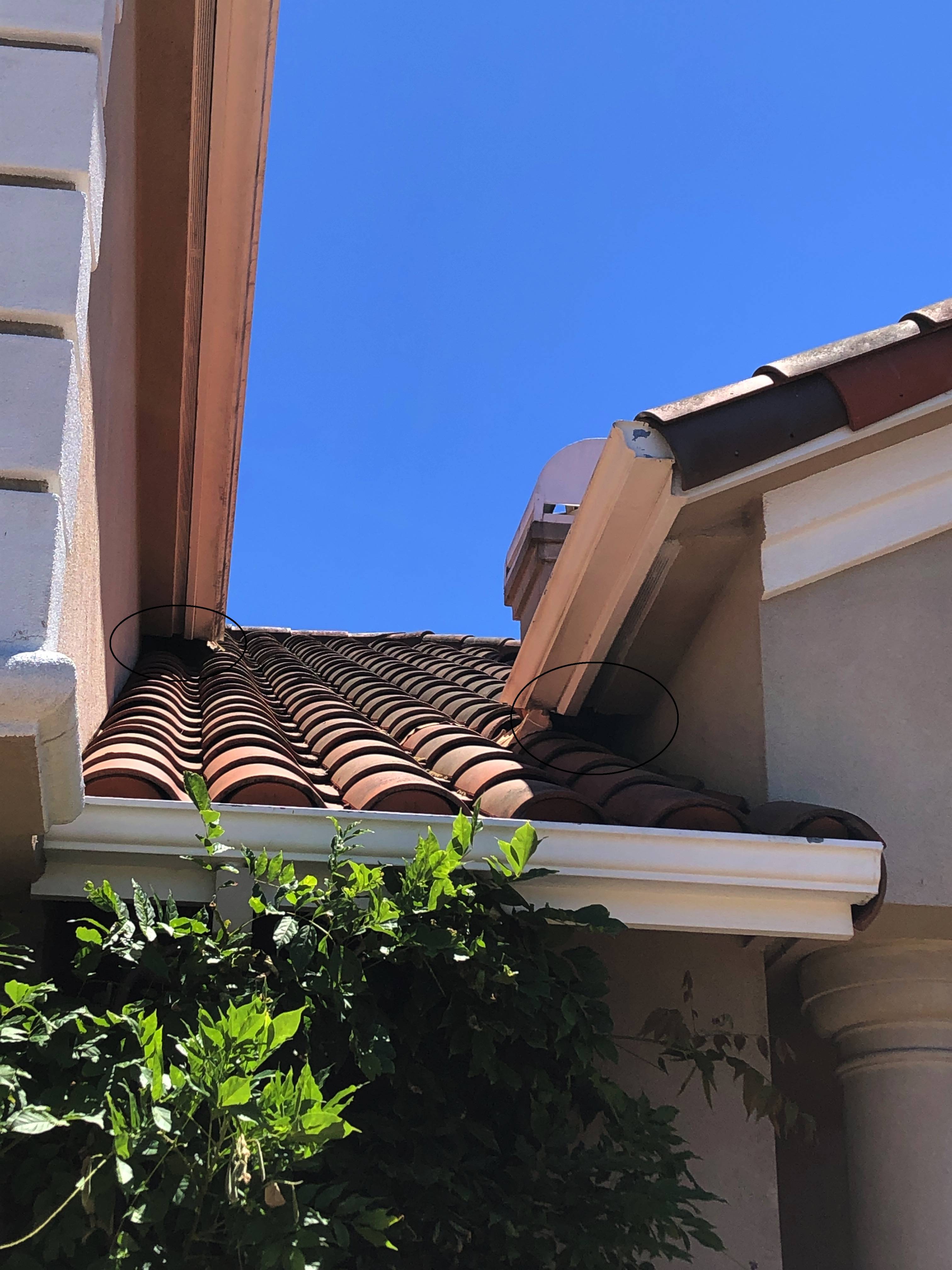
I have a slanted roof on my house. I think it's called a Gable and Valler roof where some vertical portions of the home intersects with some of the slanted parts of the roof.

With that said, there are some openings where squirrels apparently are entering. We saw one stick its head out of one of these openings before scurrying back in when we surprised it.

I want to completely seal these holes so they can't get in anymore. However, all my neighbors in the same complex as me have these same holes so I want to say it's used for venting and I shouldn't seal it. Several of them also complain of squirrels (and maybe rats) entering their homes too thru these same holes.

Someone also said it's possible the roofers did a poor job and didn't seal these intersections/joints like they should have and gave wildlife a chance to enter our homes.

My friend climbed up to look thru the holes but couldn't see where it went so we're just guessing it somehow leads into the attic since we see droppings from critters and insulation getting disturbed.

So my question is are these holes used for venting and I need to leave them alone or did the roofers do a bad job and I can seal them? Hopefully my photos show the holes well enough for someone to tell me what they are for and if I can seal them completely.
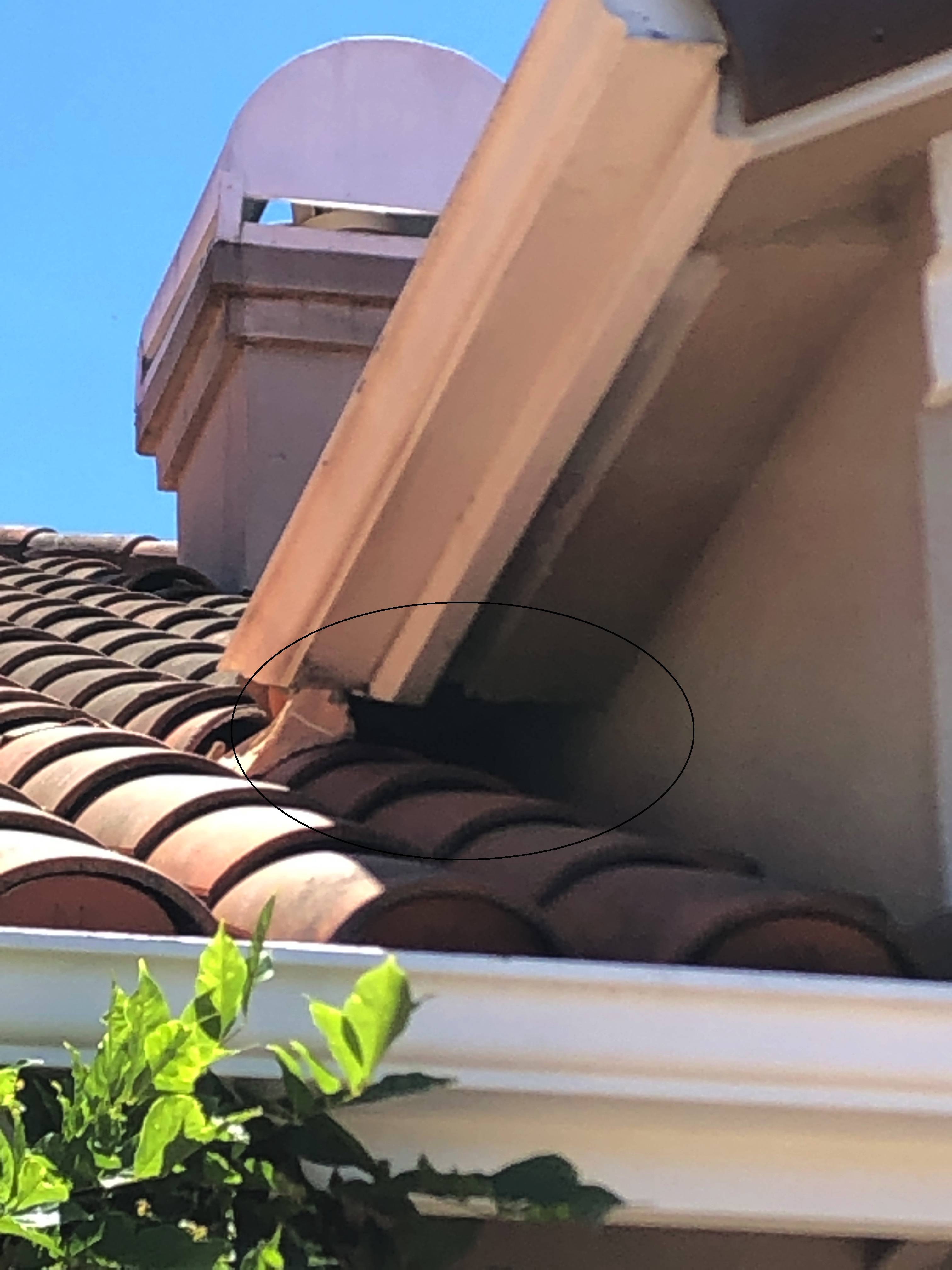
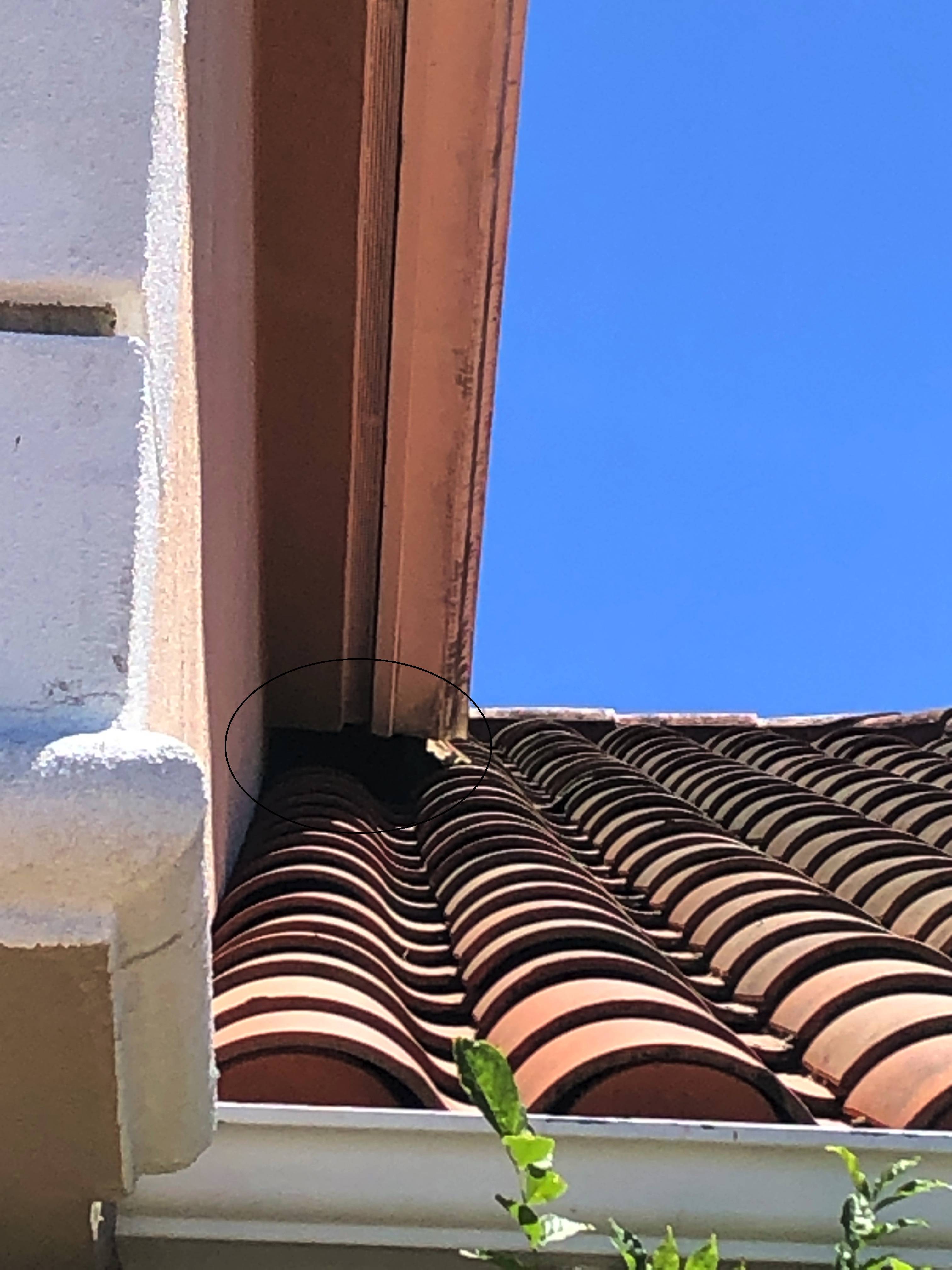
first opening second opening both openings

Classified
  • 830
  • 7
  • 21
  • 35

6 Answers6

11

What JACK described is how it should be.

It's entirely possible that an opening was left (maybe the roofers put on a 4x8' sheet of OSB and it didn't quite reach all the way up and they didn't "feel like" cutting a small piece to finish it), or that the critters got hungry and ate their way through, making their own hole.

If you can get into the attic space on a sunny day, you may see sun coming through there, or have someone on the outside with a flashlight that you can see from the inside. Or, just climb up on the outside with a flashlight and take a good look up in those areas. If you see a neat, rectangular opening, the construction crew was lazy. If you see a rough, chewed opening, you know the critters were industrious.

In either case, it's highly unlikely that it's actually needed for ventilation, so you'll want to patch it up.

If you can get into those corners from the inside, the easiest thing to do is crawl in there with a big square of hardware cloth (not screen door screen, actual metal mesh fabric) and a staple gun. Put the cloth over the hole from the inside and staple like crazy. The critters shouldn't be able to eat through the metal mesh, and with enough staples, they won't be able to push it in. Double up on the layers of hardware cloth if you can only find it in a big roll - it'll probably be a long time before you find another use for it, so may as well use it up on this project.

To really do it right would take some plywood or OSB and a saw to cut a patch to fit, then some short screws*. Screw the wood to the inside of the roof.

*Screw length should be the thickness of the patch wood plus 1/4", since roof sheathing is usually 1/2" thick. Drive the screws until they're just sunk into the surface of your patch piece, but don't go too deep. Since you've got a tile roof, the screws won't show through, but, if one happens to hit the bottom of a tile, it is possible that it might crack the tile. Honestly, you could probably leave the screws standing just a smidge proud on the inside of the attic and nobody but you would ever know.

FreeMan
  • 48,261
  • 26
  • 101
  • 206
11

I concur with the suggestions to patch from the inside - but I would also suggest filling the holes from the outside with balled up chicken wire (galvanized hexagonal wire fencing for chicken runs etc). It will stop birds/squirrels from nesting outside the sheathing, but under the tiles.

8

Let me offer some advice on your squirrels for a moment.

Your roofer was a fool to leave openings like that. Anything that can get up there will happily use it to live in. That includes birds, squirrels, wasps, etc. Proper venting involves mesh-covered vents in your soffits, not giant gaping holes. Birds and insects can be dealt with easily enough, since they will abandon nests. Squirrels are another matter entirely.

You can easily close off the holes with wire mesh from the outside. You just need to know one key thing: do not close the holes up until the squirrels are dealt with.

I had an AC unit put in a few years ago and when they cut the hole for the new condenser, they didn't really close the hole up very well. A squirrel found their way up there and I didn't notice until some time later. I figured I'd fix the hole at that point, so I took a piece of pressure treated wood and block the hole off. That was a mistake. The squirrel chewed through the pressure treated wood and tore up some of the condenser line insulation. I replaced the insulation and waited until I was sure the squirrel wasn't in there and put up some steel mesh over the entrance. At last, I had defeated the squirrel and it was all over!

NARRATOR: But it was not really over

The squirrel had made a nest in the attic. About a month later we had a putrid smell. Shortly thereafter, there was a scurrying noise and scratching. The nest had baby squirrels and one had eaten their siblings to survive. Now he wanted out and that mesh opening could surely be widened, right? Destroyed my replaced insulation PLUS the control wires to the condenser, which shorted out the PCB. The UF cable was left unscathed, thankfully. I had to admit defeat, though, and take down the mesh covering the hole. That let him out and I could restore the mesh. The AC company took responsibility for the fried PCB, thankfully (since they had left the hole in the first place), so it all ended without a massive cost to me, but it was still a headache.

You can either wait the squirrels out or hire someone to trap and remove them. Once that is done, cover the holes ASAP.

Machavity
  • 26,498
  • 8
  • 44
  • 100
7

The roof decking, probably 3/4" plywood, would miter into those corners and then have the roofing felt paper and roof roll over the plywood. The roofing tiles are difficult to get up in those area but there should be no opening up there into the attic. If it helps you sleep at night, get a bright flashlight and shove it up there, turn it on and then go into the attic and look for the light. I doubt you'll see any.

JACK
  • 89,902
  • 21
  • 80
  • 214
5

To me, that looks like lazy builder and lack of inspections. Probably same neighborhood as mine. :)

From your stucco sheathing and tile roof plus the little snippets of visible design elements of your house, I'm getting a strong Southern California vibe. That means that in addition to critters and insects, you should consider trying to block out burning materials. The winds love to jam flying embers up into gaps like that and before you know it you have a structure fire that you can't even see until it's too late.

Rather than wood or metal mesh, I would fill that gap with metal flashing. You may need to do some custom surgery with tin snips and bends to get it to fit in there, but wedge it in to cover as much of the gap as possible. Seal the edges to the underside of the eave and the roofing tiles with some stucco patch/mortar mix. You can easily apply and smooth it by hand in an area that small.

The flashing will shed water (should any ever make it up there), dissuade entry by critters, birds, or insects and also keep firebrands from being able to blow into your attic through the gap.

ThisOneGoesToEleven
  • 7,612
  • 3
  • 13
  • 50
0

They didn't do the gable long enough or the ROOFER cut it to short because he thought the tiles wouldn't slide underneath..I've done alot of tile work and if the contractor built the gables too short nothing the ROOFER can do but try to seal the roof with the tar paper and sealant,That's why you most likely don't have leaks!!! Some mesh wire will do the trick,but make sure they'res no rodents in your attic because if they're trapped they can and will chew threw wires,PLYWOOD to try and get them all out!!!If you walk on Tiles walk oh the very bottom of each tile that's where they are doubled stacked and won't break as easy!!!!!!!