19

i am looking at pre-made architectural house plans on the Internet ranging from 300 to 800 square feet, some multi-level. I have no housebuilding experience. I don't imagine many of the millennials for which these are designed do.. I'm not even an engineer.

The question is: could a layman millennial like myself build something like this? Or would the cost of hiring builders and buying material rival that of buying a house that already exists?

If the answer is 'yes - you can do it!' maybe you'll humour me with a response to the below:

What would a shortlist of requirements for a simple own house build look like? Any good reading suggestions?

If I were to start looking for land on which to build a house from plans. These are the two simple scenarios I imagine:

  1. Off the grid. No where near a water main. This is a no go for me.
  2. Water main under the ground that I would have to dig down to and pipe to the surface. Add pressure regulator, water meter etc. Assuming this is all I need. Or do people sell land designed for projects like this with some other 'pre-build' kind of plumbing set up I don't know about?

I'm basically thinking that the hardest part of building a house is the ol' plumbing and electricity.

What is the order of things then?

Dig a hole for the basement and foundation. Lay down some steel reinforced foundation footing and walls, a concrete slab. Dig another hole at the water main, pipe over my liquids and I'm good to go?

Machavity
  • 26,498
  • 8
  • 44
  • 100
DVCITIS
  • 303
  • 2
  • 6

10 Answers10

37

I used to have a teacher that said

Anyone can do anything given enough time and instruction.

That being said every trade has a learning curve to acquire the skills and required tools to accomplish the task.

I am a Master Electrician and have been in the construction industry for over 30 years. I am just finishing building a new house and here is what it have learned so far.

Some things are just not worth trying to do yourself.

So, here is what I hired out:

  • Excavation
  • water well
  • septic
  • poured walls
  • concrete flatwork
  • windows and exterior doors
  • siding
  • brickwork
  • garage doors
  • interior wall framing
  • basement stairway
  • drywall
  • air conditioning
  • ceramic tile
  • kitchen counters.

Here is what I have done / am doing myself or mostly myself with paid people to help me:

  • Framing
  • insulating
  • roofing
  • painting
  • concrete stain and seal
  • electrical
  • data
  • cableTV
  • security
  • smoke detectors
  • hot water heating
  • geothermal heat pump
  • solar water heater
  • photovoltaics
  • plumbing
  • interior doors
  • hardware
  • trim carpentry
  • kitchen cabinets.

I have been working in my spare time and paying out of pocket to avoid a large mortgage. It has taken me 6 years so far with about two more to go.

Sometimes I wish I had started this when I was much younger like yourself. On the other hand, I have acquired many more skills and patience in the last 20+ years that have helped me make this a great house.

Whatever you decide to do, understand that building even a small house is a complicated project and will require perseverance and patience. If you have ever spent a weekend doing a project then just multiply that by 1000 times or more, depending on the size of your house, and imagine how big a job this will be.

If you are still interested, then working in the construction industry for a few years first, will give you invaluable experience toward your goal.

Good luck!

Machavity
  • 26,498
  • 8
  • 44
  • 100
ArchonOSX
  • 20,870
  • 3
  • 30
  • 53
9

yes - you can do it!

Do not listen to the naysayers, this will be an experience of a lifetime for you! I recommend that all millennials endure the trials and travails of a home build. I trust that you are not saddled with a regular "9 to 5" job, or you have a long row to hoe.

Shortlist of requirements:

  • Books, read everything you can about the building trades
  • internet access, view videos and absorb as much as you can from reputable sources
  • electrical, plumbing, drywall/plastering, concrete, carpentry (rough and finish), HVAC, roofing, and excavation tools and equipment
  • engineering degree and license or enough money to pay for engineering services (for foundation work)
  • architect license/stamp or enough money to pay for architectural plans
  • money for permits
  • money for utilities connections (you can't just dig up the water main and tap into it, same goes for electrical and sewer connections)
  • first aid kit
  • patience

All kidding aside, you CAN do it, I did. It took 2 years and almost cost me my marriage (we were in our 20s and lived in a small outbuilding with 2 babies for a year during the build).

I am now very proud that I undertook the job because I learned so much, and I can feel my late father's spirit every time I open the back door (which he hung). I can now say that I am glad I did it, I couldn't say that at the time.

One thing to remember, having friends and family help for food and beer is great; hiring friends and family can be a disaster.

Jimmy Fix-it
  • 37,916
  • 35
  • 62
8

If your question were Is an intelligent layman likely to successfully build a habitable house from plans by himself?, I think the answer is 99.5% no. As far as building a "house from plans", yes, but the result is very likely to be a disaster.

A modern house has dozens of different technologies, many of which are inscrutable to a layman. Preparing a foundation—for example—which will remain solid and durable and not mess up all the other stages of construction is difficult.

There is a fascinating YouTube series in its second year following (and made by) a young couple doing a debt-free off-grid homestead: Pure Living For Life. They show all their mistakes as well as successes. There have been many mistakes and screwups, even though they have engaged various house building professionals.

wallyk
  • 12,399
  • 3
  • 24
  • 51
7

By the way, trades are doable, even the scary ones. For instance I'm ace with electrical, but mortally afraid of drywall work. I can probably get over that.

Electrical has a lot of complexity, but you just have to do the deep learning, really get the groove of it, ask questions, err on the side of code compliance, and -- here's a fantastic way to let you recover from oopses -- lay metal conduit e.g. EMT, then put the wires in the conduit. Not only is it a lot more fun, when you learn more you can fix/change it with just a screwdriver and a pulling tape, no fiddling with drywall or paint. The other thing about conduit is you don't need a whole lot of skill to do the hard parts. So with all the conduit in the walls, you can now call in the electrician and he goes "holy smoke, I actually get to be an electrician, instead of a carpenter, mason, plumber and Romex wrestler!"

Harper - Reinstate Monica
  • 313,471
  • 28
  • 298
  • 772
5

I have twice gone down to mexico to build a basic frame of a house in 3 days. There was about 20 of us working on it. first day was leveling the ground and pouring concrete. Second was building the wall frames and raising them. Third was roofing and putting up the outside stucco walls. The inside was not finished but had 4 different rooms (just wood frames) but the two outside doors on the house were installed and worked.

This was with a charity group that provided instructions on building and 1 or 2 professionals to oversee a group building a home. I did this in college with other college students of various majors.

The basics of building a house that provides shelter from the elements is very doable. One that conforms to plumbing, electricity, building codes,etc... are going to be the harder parts.

fosuke
  • 51
  • 1
4

Yes, you can do it.

You could do all of it (given time and money), but take good note of the idea of subbing out the hard/specialty things (my personal list would include foundations, hvac, plumbing, electrical**, any siding that isn't wood, drywall***, flooring****, and the things that just take a lot of time/muscle (landscaping comes to mind, roofing gets close).

** electrical: I'd try and find an electrician that would let me bore holes and run wire exactly where he said, but good luck finding that individual

*** drywall: taping and skim is a pain, so I personally avoid that like the plague. Rocking itself is easy enough, but talk to your taper beforehand so that you get advice on how they want it done. Doing a crappy job rocking makes the taper's job harder, and you'll pay either in quality or price or both.

**** flooring: wood or wood-like flooring is a pain. Have you ever lifted a box of flooring?

Things I would do: (note that I'm a working carpenter) Framing, exterior cladding, decks, doors/windows, insulation, cabinetry, trim, appliance install, tile. If money was tight, I'd consider rocking (but not tape/skim) and roofing.

A digression:

The Graybeard engineer retired and a few weeks later the Big Machine broke down, which was essential to the company’s revenue. The Manager couldn’t get the machine to work again so the company called in Graybeard as an independent consultant. Graybeard agrees. He walks into the factory, takes a look at the Big Machine, grabs a sledge hammer, and whacks the machine once whereupon the machine starts right up. Graybeard leaves and the company is making money again. The next day Manager receives a bill from Graybeard for $5,000. Manager is furious at the price and refuses to pay. Graybeard assures him that it’s a fair price. Manager retorts that if it’s a fair price Graybeard won’t mind itemizing the bill. Graybeard agrees that this is a fair request and complies. The new, itemized bill reads…. Hammer: $5 Knowing where to hit the machine with hammer: $4995

Even though the guys who do, say, your HVAC seem to charge a fortune for what seems relatively simple, they're selling you years of experience and hard-learned mistakes.

Mistakes will always happen in the process, but major mistakes early can cascade through the project wreaking havoc, either during or later in the life of the structure. (Last week's job was in a total gut started by someone else where they couldn't be bothered to level the floors before rebuilding. Cost to fix trim/doors/flooring/cabinetry=high. The job I'm on today is probably going to end up being a 50K structural repair because somebody couldn't figure out how to waterproof a couple of windows.) If you try to do everything without decent guidance, you'll make mistakes. Simpler designs probably means fewer mistakes.

Expect to spend a lot of money on tools.

Last thought: if you could find an old general contractor to work with you as a consultant, they'd be a wealth of information and a good resource for subs. (Finding good subs is hard!)

Good luck whatever path you choose.

Aloysius Defenestrate
  • 23,521
  • 1
  • 33
  • 61
3

People certainly do this in the UK - and bear in mind that the standard construction method in the UK is not wood-frame, but walls built with bricks and mortar. Of course there is a tradeoff here - UK houses are not built on a continuous concrete slab foundation, the foundations only extend under the actual walls!

Usually, a group of like-minded people will get together and hire some qualified professionals to "teach them how to fish" rather than "catch fish for them".

You also need advice on how to schedule inspections etc - again, the practise in different countries is very different. For example in the UK there is no restriction on who carries out electrical work, provided it passes the supply company's tests when they connect up the house to the mains and start billing you for electricity.

There is nothing intrinsically difficult about any of the techniques involved in house building - the main requirements are care and patience (you aren't building a toy, but something you are going to live in possibly for decades!) and knowing your own limitations and when to ask for help and advice.

alephzero
  • 884
  • 6
  • 8
2

My father-in-law built his own house, but he had worked in some construction for years, so he was quite familiar with the ins and outs of the process. Here's some things to consider if you're going the full-on DIY construction route

  1. Code compliance - Even if you're in a rural area, there's going to be some codes you will have to follow. Being in a rural area just means it's a lot less likely you'll have an anal inspector show up. But understand that you can't feign ignorance. Some jurisdictions can and will order you to demolish buildings that are far out of code (i.e. Florida has pretty strict hurricane codes that are statewide).
  2. Get an inspection - It helps a lot with #1. This keeps everything above board. The government is a lot less likely to throw a fit if their inspector signed off on it. Most of the time this is a simple process (I built an addition to our house and the building inspector just walked around a few minutes before signing off), but understand that some inspections (i.e. electrical) can only be scheduled and certified by a licensed professional. This can also be a selling point later on, and may help with insurance rates.
  3. Consult with professionals when needed - My father-in-law found an electrician who still let him do all the work, and just came in a couple of times to make sure he was in-line with code and could pass inspection. Was easy money for the electrician. If you don't understand something you should consult with a pro.
  4. Foundations might be the worst - This is a YMMV point, but a lot of houses in the US are built on a concrete slab. You have to consider not just the slab prep, but drainage as well. And are you in a flood plain? You need to make sure this part is perfect.
Machavity
  • 26,498
  • 8
  • 44
  • 100
1

Mark Brinkleys "HouseBuilders Bible" is into its 12 edition and I think the one sitting on my shelf is from 1998. It will give you a fair idea of the process AND the costs. It helped me way back when I was getting started (avail. at http://amzn.to/2xBNQDS). Agree with many of the comments above, contract out the heavy/complicated stuff and spend a lot of your time 'managing' the build rather than lay each and every brick yourself (unless laying bricks is your thing!).
If you can lay one brick (and who cant'?) you can lay a thousand and if you can lay a thousand you can lay 15 thousand and then hey presto, you've built a house. Play to your strengths and get someone else to do anything you don't like or are not good at. p.s. I'm a bricklayer/builder...

handyman
  • 3,421
  • 13
  • 19
0

Yes! You can do it.

There is a huge difference between

This

and this

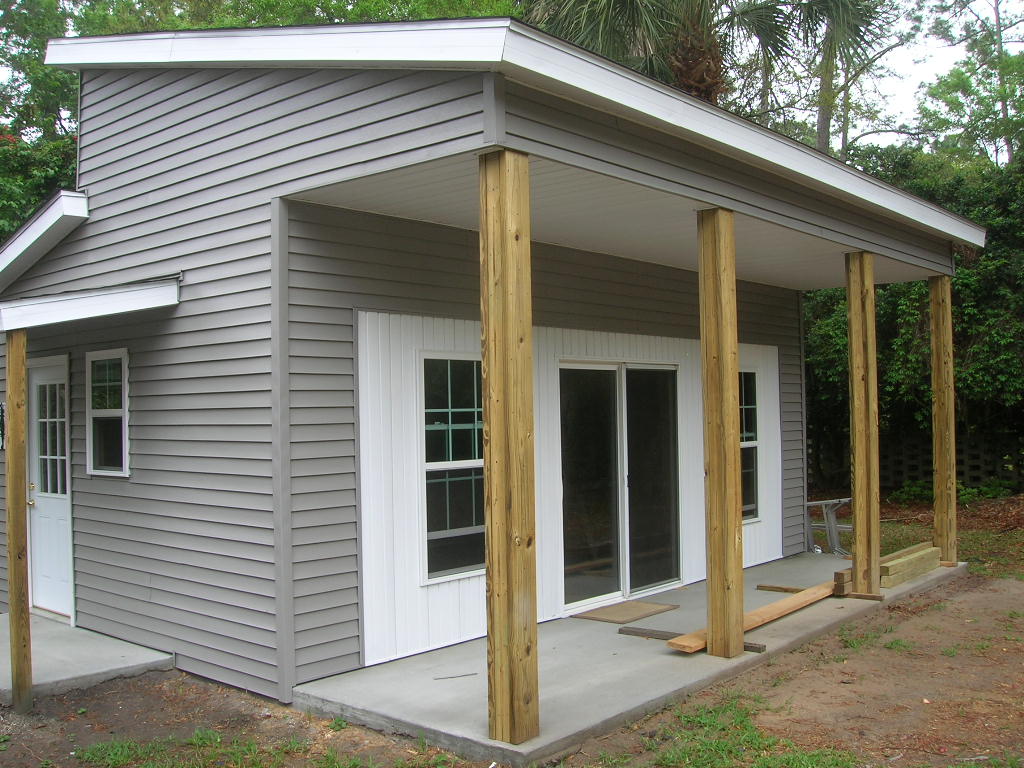
This

The truth is you can very easily build the first example by being your own coordinator. Don't be afraid to hire for complex tasks, take your time. We could go from nothing to a full normal house in about 3 weeks. Of course he had a master plan and called on a lot of people to help, but it was very doable.

You should really hire:

  • Anything that requires a heavy machine like a back hoe. This usually means laying foundations, and running utility lines.
  • Anything electrical
  • Plumbing
  • Anything using glass

The rest is pretty damn easy. You will make mistakes, You will mess up materials. It may even be cheaper to pay a builder to build your house, But at the end of the day, a house is just a bunch of wood pieces nailed together. It's really not a lot more then that. Electrical, plumbing, utilities, etc. they are all important, and need consideration, but if your willing to hire out, then there not relay an issue.

coteyr
  • 686
  • 4
  • 7