22

When or is it NEC code compliant to upgrade a 2-wire circuit, by adding a third prong equipment ground from a nearby cold water pipe?

A different case of borrowing a ground from a nearby circuit is covered at: Is it OK to borrow a ground wire from a different circuit? (the short answer is it's now OK in the USA).

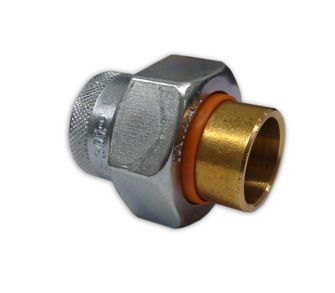
I am aware that this method of grounding was once common. However a water pipe ground is subject to issues in future partial re-plumbing, which may involve isolating pipe with a dielectric union:

Copper to galvanized dielectric union

Bryce
  • 11,057
  • 18
  • 77
  • 120

4 Answers4

35

When or is it NEC code compliant to upgrade a 2-wire circuit, by adding a third prong equipment ground from a nearby galvanized cold water pipe?

Never!

Article 250.118 of the National Electrical Code lists the approved methods of equipment grounding. Water piping systems are NOT listed there.

Metal piping systems within buildings are required to be bonded to the electrical grounding system to prevent them from becoming energized. They are not used AS an equipment grounding conductor for circuits.

Spend the time, effort, and money to run a separate equipment ground back to the service panel or to another circuit with a ground as you cited in the other example.

Good luck!

ArchonOSX
  • 20,870
  • 3
  • 30
  • 53
0

250.118 is about conductors suitable for grounding equipment - not the equipment [I consider grounding electrodes to be special equipment being purposed to a system, not simple conductors, but who knows what the code guys would say if you put it to them that way]. 250.52 does permit using water pipes, but does not demand it.

What is demanded? Any one of the 8 methods listed. This is different than bonding requirements on certain plumbing, which is supplemental to the main protection provided for fault currents - bonding is not about the system, but specific equipment.

The business of using water piping makes it totally confusing, like trying to define front/back/top/bottom of a sphere. Why bother? A system will always have grounding installed, but bonding comes and goes depending on installed equipment.

Am I going to bond when an electric water heater is installed? Heck yeah. It's hairsplitting [I know], and like a lot of things in the NEC, the pictures and drawings the guys were looking at when they wrote text are missing, and their vetting of language is weak. I doubt any verbiage gets tested beyond voting for adoption of proposed changes.

There's a lot of situations where you can look at a physical setup or drawing and then see that code makes sense, but if you start knowing only their language and try to imagine the setup, you find they need help - lots of it.
gnicko
  • 6,251
  • 2
  • 24
  • 42
Flinch
  • 21
  • 1
-3

Does the "hot" of the desired circuit and the desired water pipe when measured with a volt meter between the two equal 120volts ? Then consider it a ground.

-3

You'd FIRST want to measure the Voltage between the "hot" and that said / intended H2O pipe you are intent on using. If you DO measure 120 volts between the two, when you finalize the circuit, ensure you are using the SAME size grounding conductor as the hot and neutral conductors.