19

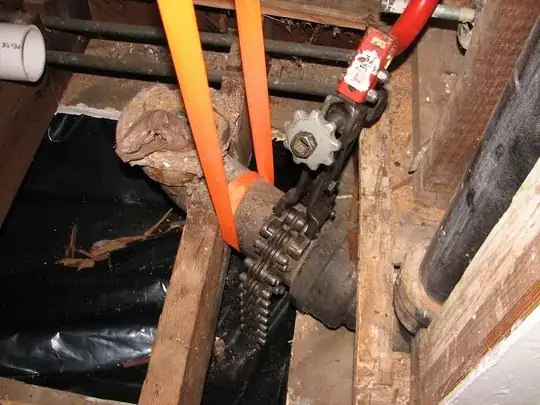
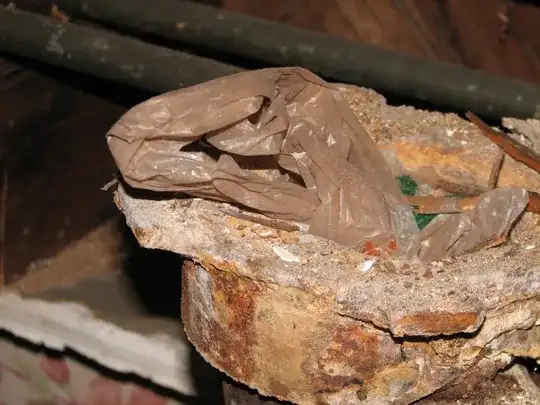
I have a big old gawd awful cast iron (at least I think it's cast iron, the house was built in 1940) toilet flange that is in sorry shape.

See? enter image description here
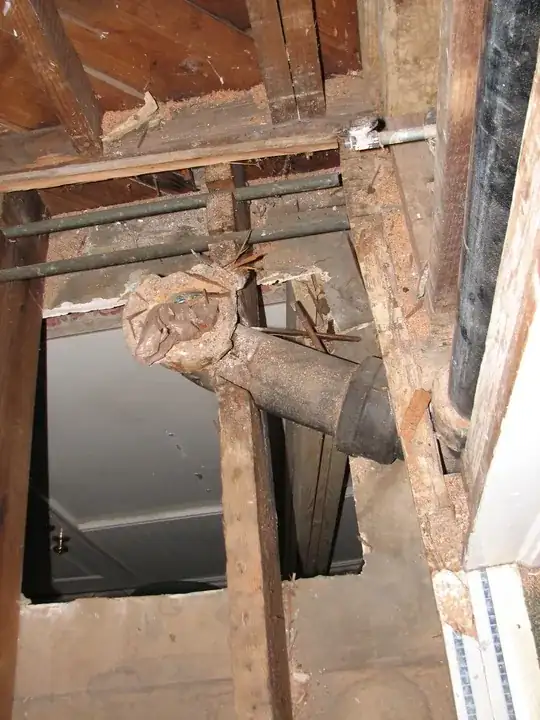
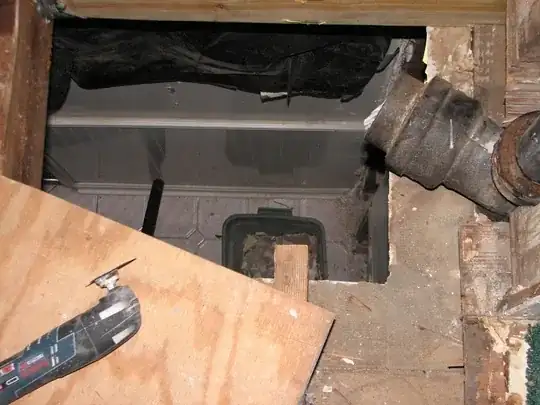
There will never be a better time to replace it - as we have the floor above and ceiling below it open, and it desperately needs it, obviously.
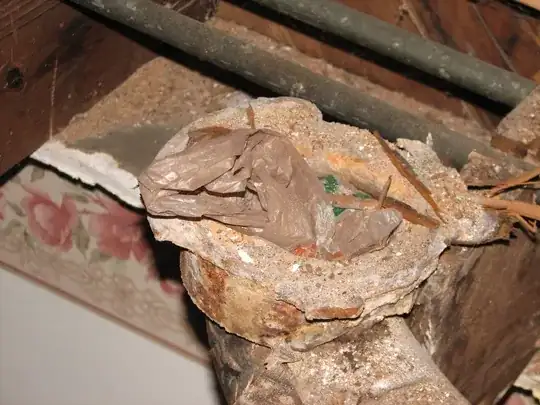
enter image description here

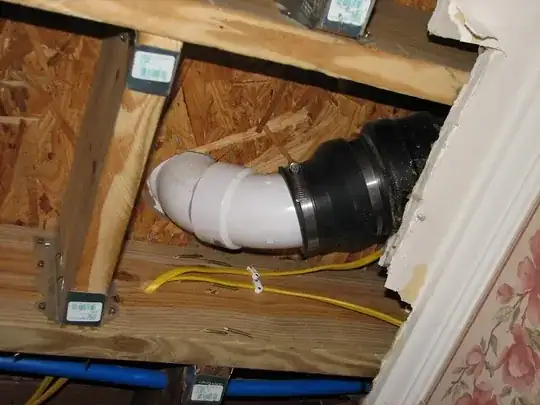
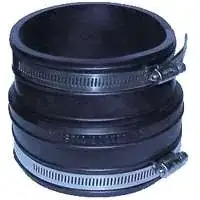
I have never done anything with cast iron before, however, and do not know how I should proceed. Should I break the pipe back on the long straight stretch and connect to pvc using a rubber connector like this?
enter image description here

Or should I focus on just trying to replace the flange (which seems much more difficult to me...)

I know cast iron is hard to cut - is a grinder going to be more effective at cutting this stuff? (Huge mess for the kitchen below :( - but I can hang trash bags or something underneath I suppose...)
enter image description here


UPDATE 5 Nov 2012

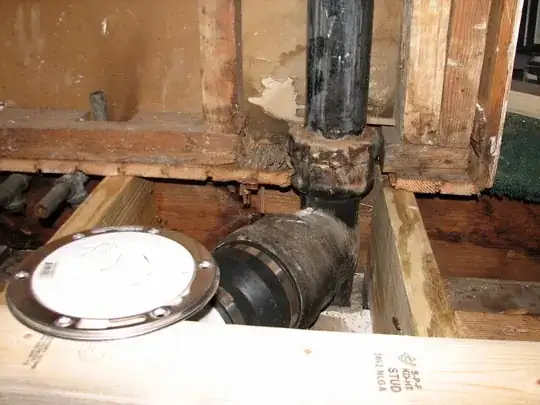
The end result:

enter image description here

enter image description here

enter image description here

enter image description here

The Evil Greebo
  • 25,971
  • 16
  • 91
  • 125

3 Answers3

13

Removing the old pipe

First you want to make sure the section of pipe that will remain, is properly supported (you don't want it falling). Then you'll want to install some temporary supports, to catch the portion of the pipe that you'll be removing.

Use a chain cutter, hammer and cold chisel, or grinder to break the pipe a few inches before the hub on the next pipe. This short YouTube clip shows how easy it is to cut cast iron with a chain cutter.

enter image description here

Next you'll want to use a hammer and cold chisel to break up the remaining bit of pipe, being careful not to damage the hub. Once you get enough of the pipe broken up, you'll notice a lead ring inside the hub. Using a prybar (or other similar tool), try to deform the ring enough that it can be removed (again, being careful not to damage the hub). carefully drilling holes in the lead ring can make it easier to remove it, just be careful not to drill too deep.

Once you have the old pipe and lead gasket removed, clean the hub up a bit and remove any bits of debris.

Install the new pipe

To install the new pipe, you'll need a 4x4 or 4x3 rubber compression donut.

enter image description here

Slip the donut gasket over the end of your new PVC pipe, and fit it into the cast iron hub (A bit of gasket lubricant will make fitting the gasket easier). Work the gasket into the hub, until it is firmly seated in the hub.

enter image description here

Broken hub

If you were a bit overzealous and you ended up breaking the hub, you'll just have to use a coupling to attach the pipes. Cut the cast iron pipe after the hub, then use a coupling to connect the pipe. Make sure both pipes are well supported, since these couplings are not designed to hold weight.

enter image description here

Tester101
  • 133,087
  • 80
  • 327
  • 617
7

For cutting the pipe, go rent a chain pipe cutter (aka soil pipe cutter). It will make short work of the pipe and not be too messy. It will make a clean enough edge that a Fernco coupling (like you have a picture of) will work fine.

Obviously you will need to add some strapping to secure the horizontal run of iron pipe if you go this route because you don't want to put any extra strain on that rubber coupling.

I would not mess with trying to remove the flange. I think it will be easier to just cut the pipe.

auujay
  • 5,315
  • 15
  • 44
  • 55
3

You have used wrong adapter-connector to connect cast iron pipe to ABS/PVC.

Per Code when connecting the ABS or PVC to cast iron you should use No-Hub Adapter fitting. Rubber connector or Flexible Coupling are allowed only under ground.

As defined in the Uniform Plumbing Code section 705.4.2. a mechanical joint shielded coupling for hubless cast-iron pipe and fittings shall have a metallic shield where installed above ground. Flexible rubber couplings with stainless steel clamps, without a shield, are designed for use below ground.

Michael
  • 31
  • 1