13

The top of this pipe is gouged where it needs to seal with the new shower base. I need to trim off a few inches from this pipe so I can glue on a clean piece. the hole is 10" square. The pipe diameter is 2 3/8".

What's the best tool I can use that will fit in the hole.

enter image description here

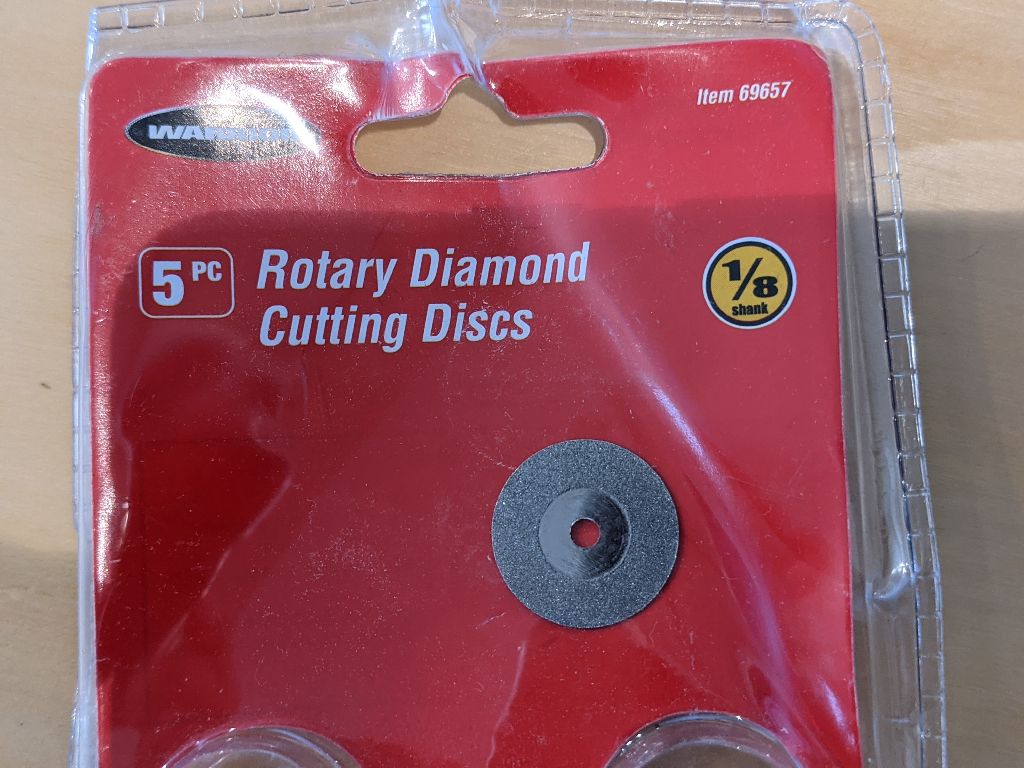
Follow up, I ended up using the dremel with a diamond disk. I used a hose clamp on the pipe to keep the cut straight. Lot of great suggestions but this tool I had so no need to run out to the store. enter image description here
Platinum Goose
  • 4,368
  • 5
  • 25
  • 34

11 Answers11

35

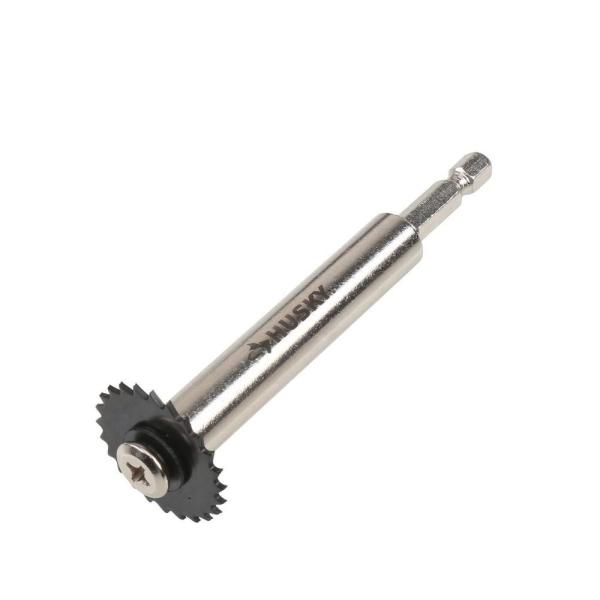
When I had to do this for our basement I used an "Inside Pipe Cutter", a fancy bit that fits into your standard drill. Looks something like this:Inside Pipe Cutter

You chuck it in your drill, put the blade at the height you want on the interior of the pipe, and run the drill, cutting through the sidewalls. Won't be 100% perfectly straight unless you have a very steady hand, but for this application it doesn't need to be perfect. There are versions that have a large disk that rides along the top of your pipe to make straighter cuts, if you really think you need it. I chose the style depicted since it's commonly available at Big Blue and Big Orange

If you need to cut off more of the pipe than this tool reaches, do it in multiple passes.

Jamie M
  • 1,161
  • 2
  • 8
  • 14
12

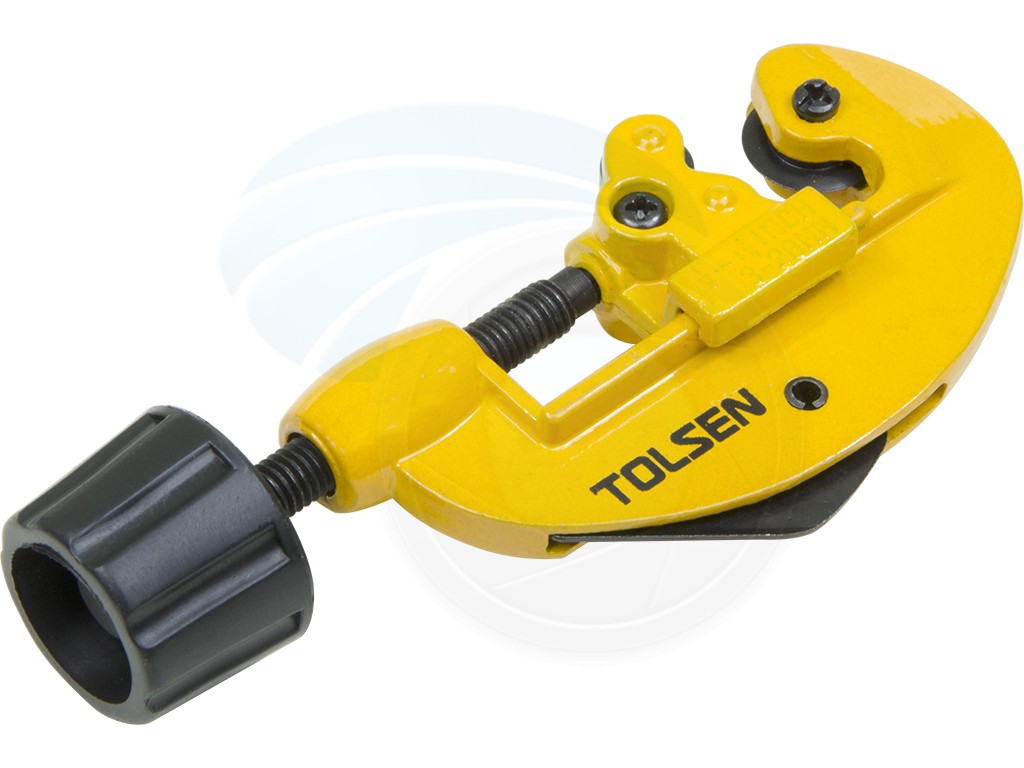
A pipe cutter may fit in the hole.

enter image description here
(source: ftaelectronics.com)

Glorfindel
  • 1,187
  • 2
  • 14
  • 20
jsotola
  • 3,256
  • 1
  • 15
  • 22
11

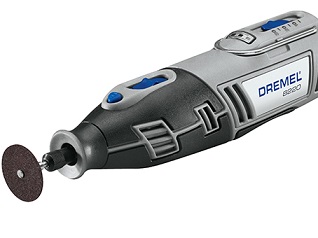
A Dremel rotary tool seems perfect for this. If you don't have one then this seems like a good chance to justify buying one as you will quickly find new uses for it. You can use it to cut from outside the pipe or even inside assuming the tool would fit. Just mark the circumference with a sharpie so that you can ensure a nice square cut. If it's not perfectly square then it's not the end of the world since the PVC coupling seats onto the pipe about an inch.

Dremel rotary tool

Not sure how far down you need to go but if you just need to fix a short imperfection then you can take a belt or oscillating sander to the top of it and remove the burrs with sandpaper.

MonkeyZeus
  • 17,328
  • 2
  • 27
  • 64
10

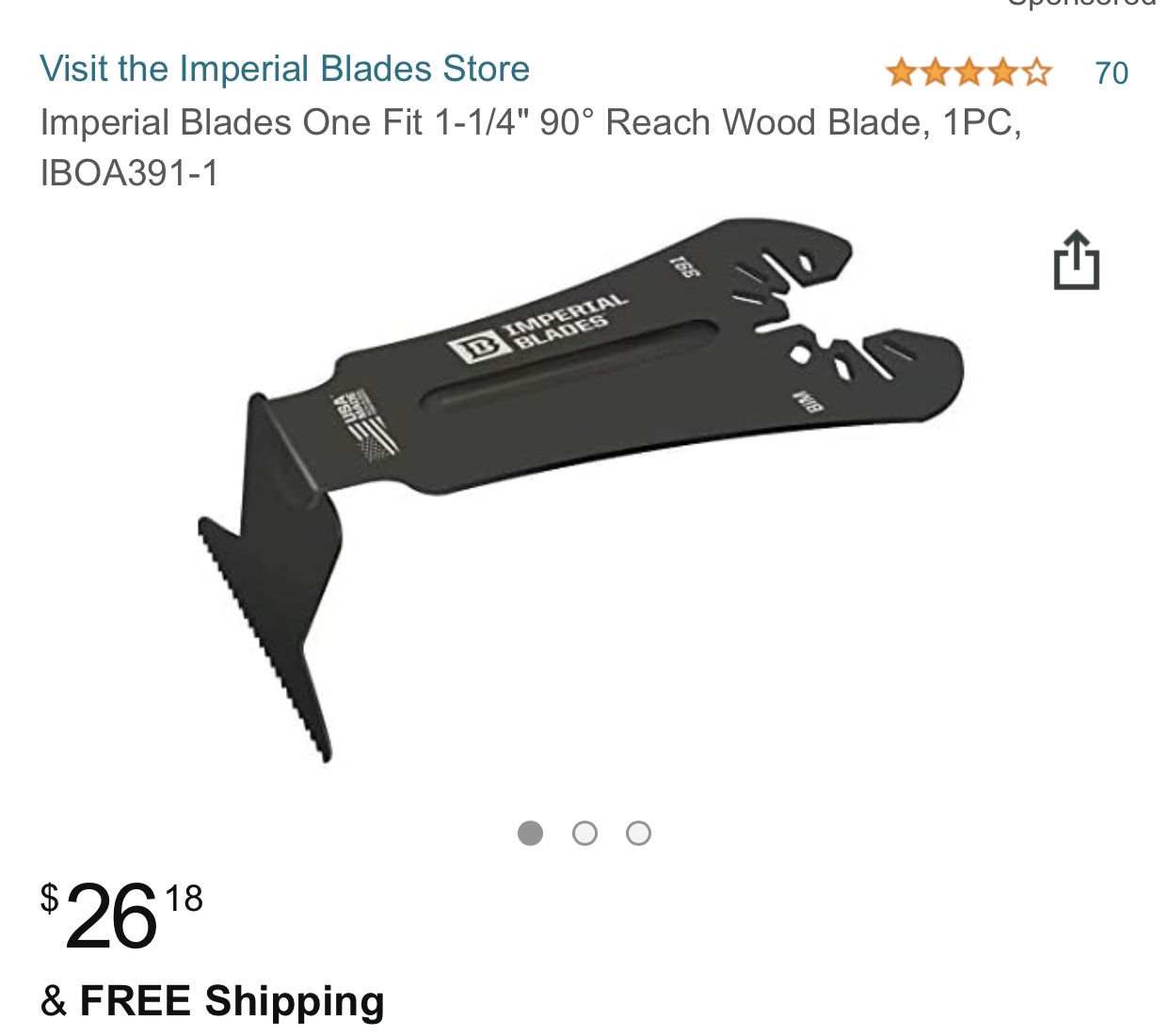
An oscillating tool might fit beside the pipe with blade rotated to 90 degrees

Or buy this fancy blade for it

enter image description here

Kris
  • 4,560
  • 4
  • 21
  • 31
10

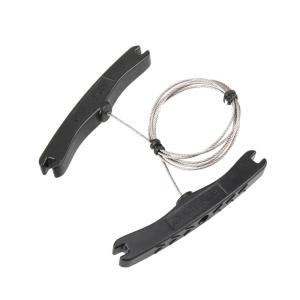
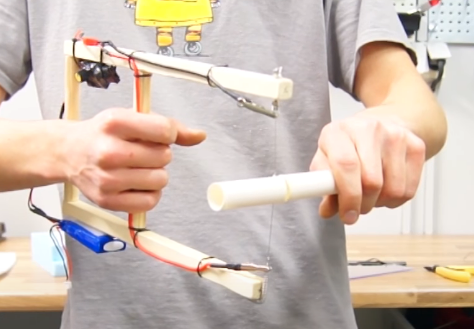
Hands down, cable saw

cable saw

This works faster than you think. The only thing you have to be careful with, mark the pipe with sharpie first and watch that you keep your cut square. If you first score the pipe all the way around on the sharpie mark, that might make it easier to keep square.

I would only use this if I had it on hand - I have cut a lot of PVC with nylon string which is always around. It works so well I wouldn't normally make a trip home or to the store to get this tool. But with the limited space you have here, it might be smart to give yourself every possible advantage.

batsplatsterson
  • 25,515
  • 1
  • 34
  • 83
5

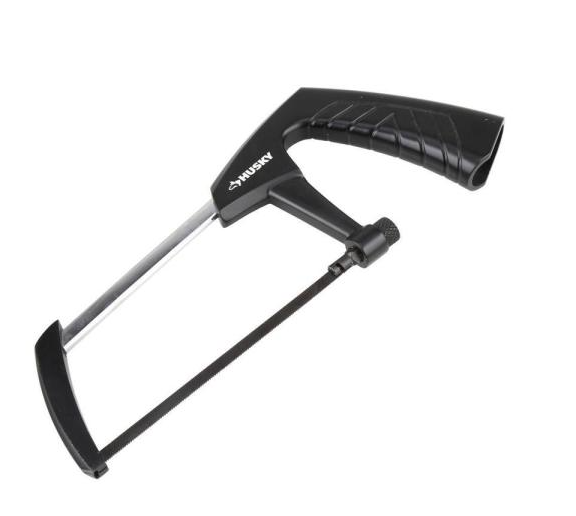
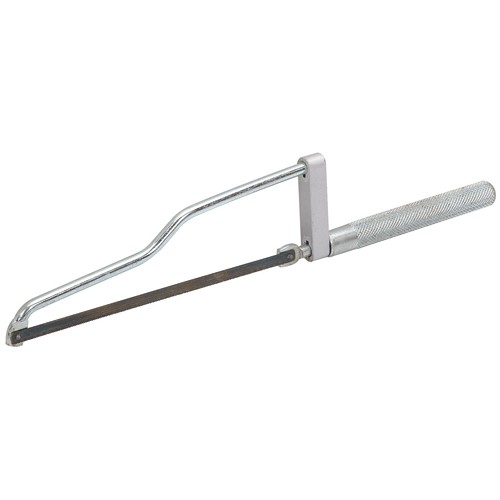
Since I have one, I'd go with a mini hacksaw. I'd be more confident cutting a even/straight line with the longer blade...

Husky 6 in. Mini Hacksaw - the blade is 6", unsure how much the handle adds:

enter image description here

or something more this style, also fitted with a 6" blade:

enter image description here

Searching for "mini hacksaw" at your favorite home center's web page, or online store will get you some of these.

The good news is Pythagoras.. at the max diagonal, you get 14".

rrauenza
  • 749
  • 1
  • 6
  • 14
5

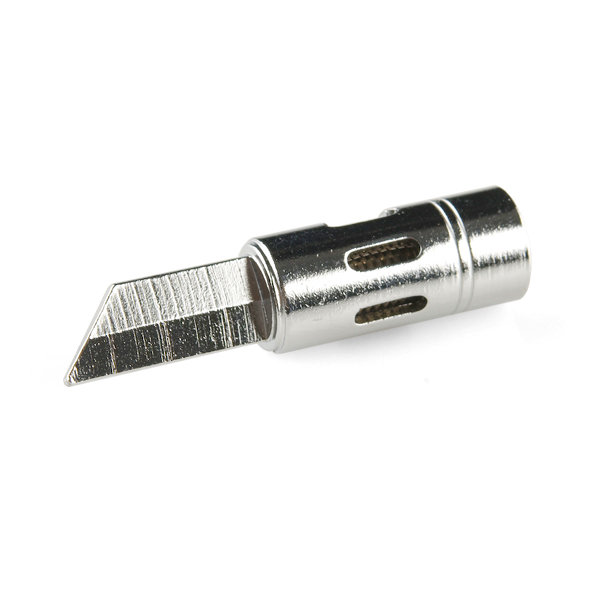
Hot knife would cut the PVC like its butter. I've got one that goes on the end of a Butane soldering iron.

Mind out for fumes though! Added bonus, it will round off the end adding reinforcement, which you can file/deburr after if needed.

enter image description here

Criggie
  • 11,950
  • 2
  • 26
  • 79
2

There are several tools you could use. Here are a few ideas.

  • Rotary tool - commonly called by the generecized name "Dremel" but offered by many brands
  • Hack saw blade - bare blade held by hand, or on a compact frame, possibly with the blade itself cut short.
  • Reciprocating saw or blade - the bare blade could be worked by hand, or if the pipe is steady, you might be able to walk the blade in a circle around the pipe while holding the saw body above the level of the concrete. It's tough to run a recip saw freehand, ie without its foot resting against the work piece, but sometimes it works.
  • Ratcheting pipe cutter - possibly modified with its handles trimmed short so it can fit into the hole. With shortened handles you might have to operate the cutter with large-jaw pliers.
  • Oscillating multi-tool - Like the recip saw this would have to be operated on an angle (not perpendicular to the pipe) but would be easier to control than the recip saw.

You might also consider repairing the pipe. For example, what if you grind out the stop in the middle of a solvent-welded coupler? The coupler could then slide freely onto the pipe stub to cover and seal the gouges. The coupler could be cut shorter if its full length is not needed or gets in the way.

Greg Hill
  • 35,866
  • 42
  • 91
1

Another tricky way:

enter image description here

More detailed explanation, watch: this video.

Display Name
  • 115
  • 1
  • 6
0

I have lots of options I would use my Rotozip and try to make a straight cut. I think it is short enough. My next choice would be a sawsall or a reciprocating saw this will create a beveled cut but that won’t bother anything once glued together. I am not sure if a jig saw will fit but I might try that. my last resort a short cross cut hand saw. This would be a knuckle buster in that tight a place.

I would not try my multi tool the side to side action at an angle would make a mess of the pipe unless the cutter at a 90 would make it with a wide bit but the length would mean having to swap the bit from the left to right but it might work. But I could have it done in less than a minute with the sawsall.

Ed Beal
  • 103,727
  • 4
  • 79
  • 158
0

For these ideas, I've seen a person use a 2 inch by 4 inch piece of wood wider than the concrete hole and then fix the drill to it to keep a constant depth.

One would need a 2x4, saw, some large hose clamps, some wood screws and a very slow cut.

Paul Sellers "poor man's router plane" and Izzy Swan's many drill powered tools gave me this insight.