19

Do you think it possible and safe to hang this cabinet on this wall with no support below it?

It is 38 x 90 x 100cm and weighs something like 30kg, It is intended to fill it with dishes and such so it'll get even heavier. The wall is reinforced concrete.

I've looked around at videos and forums for advice but can't find anything definitive and I don't want to whole thing falling off the wall in the middle of the night.

If it is possible then what are correct type of supports to use? Thanks for any help and advice.
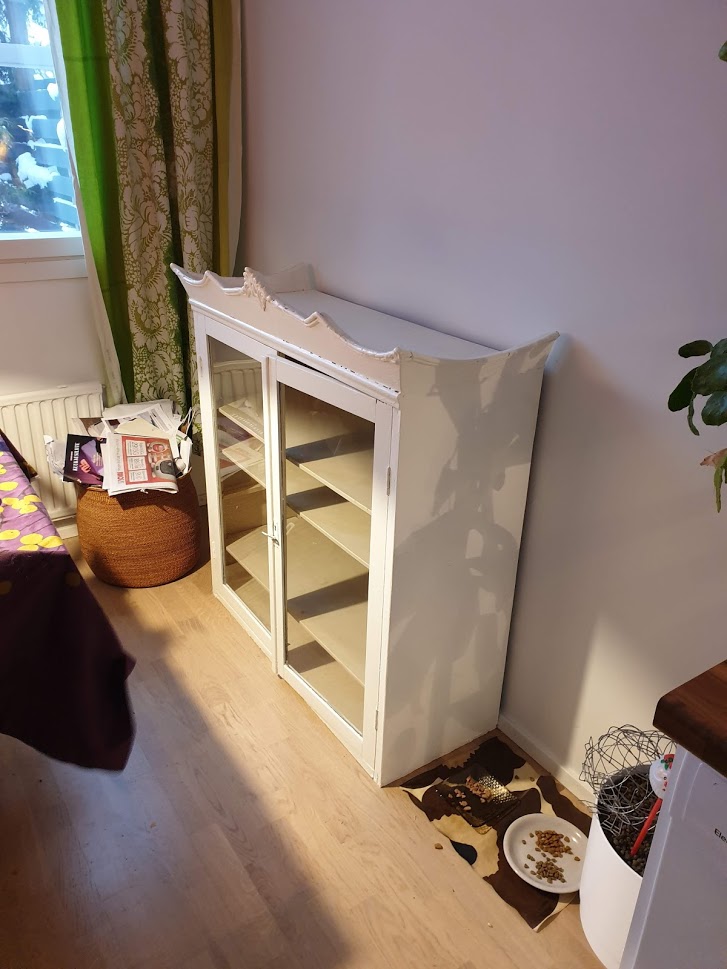
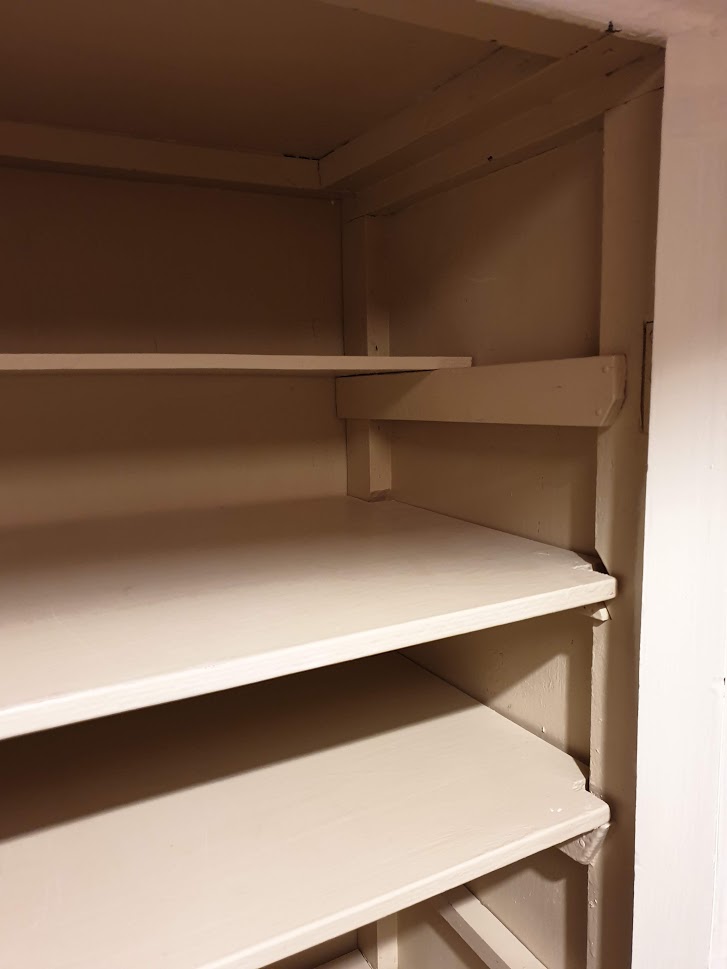
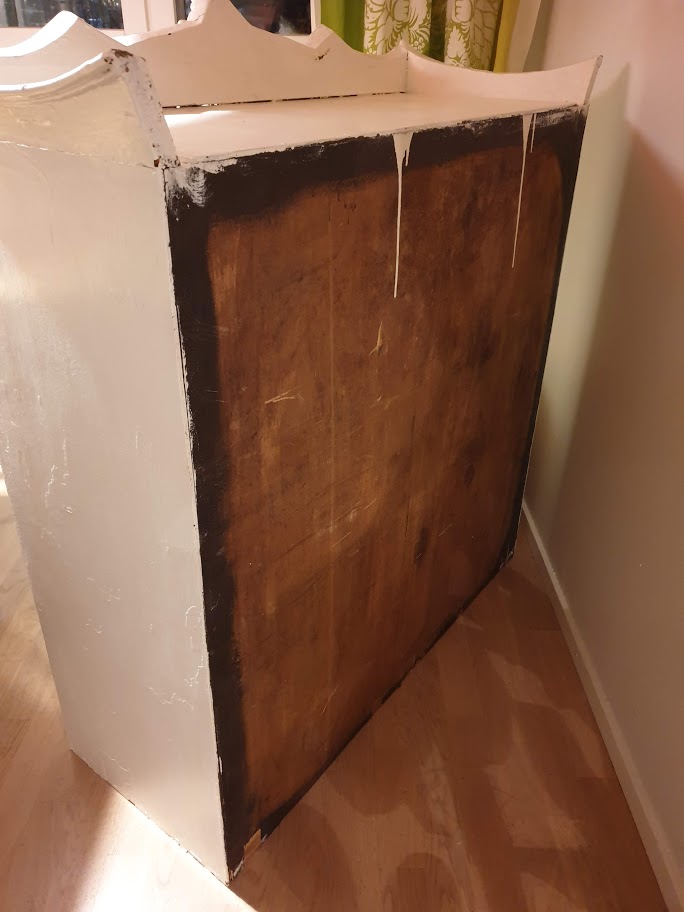
cabinet

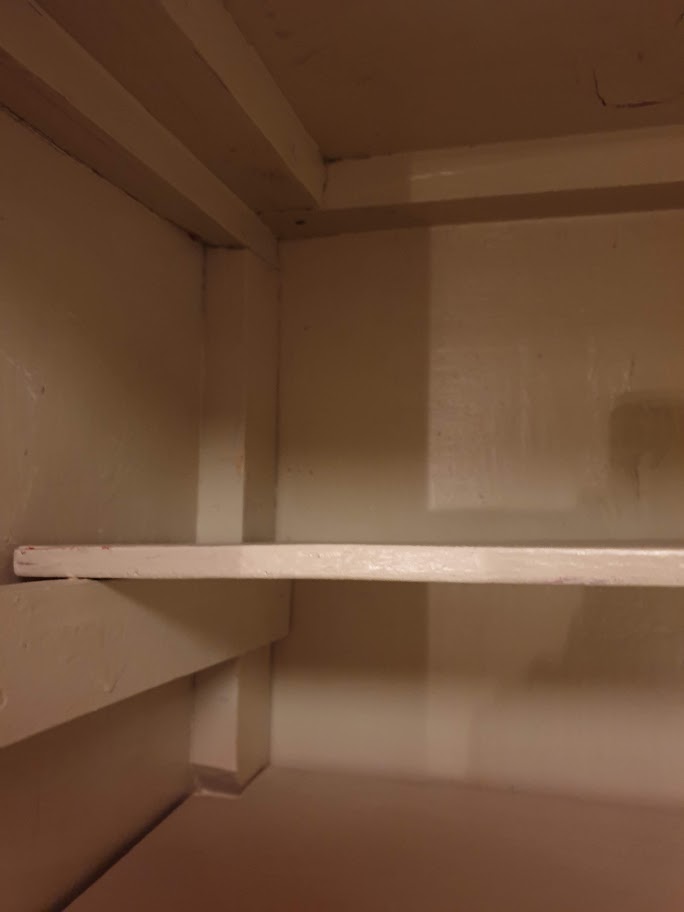
cabinet interior

cabinet interior 2

cabinet interior 3

Edit after reading all the answers and comments:

I accepted an answer which I think seems good for fixing something like this to a concrete wall, but I have my doubts about the structural integrity of this cabinet floating on a wall (full of crockery) after examining it further and so I'm going to find a table or base cabinet for it instead. Thanks to everyone for your great input.

Ralpharama
  • 301
  • 1
  • 2
  • 6

8 Answers8

36

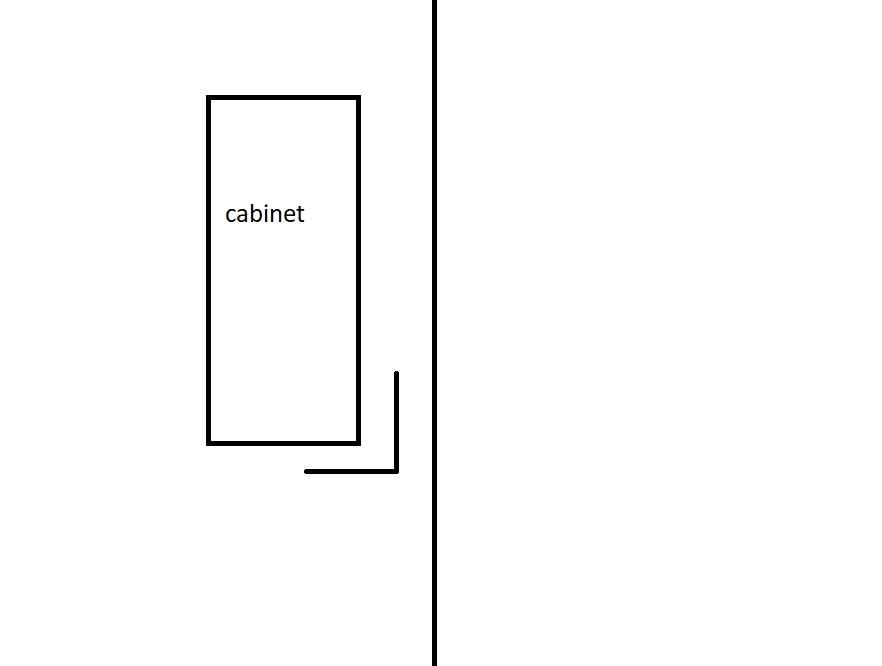
It looks like the cabinet is intended to sit on top of a base cabinet. You are right to be concerned about the structure of the cabinet. You can add a discrete support below it. In addition to the suggestions above I would add a couple of L brackets on the bottom. Cabinet bracket and wall

Platinum Goose
  • 4,368
  • 5
  • 25
  • 34
15

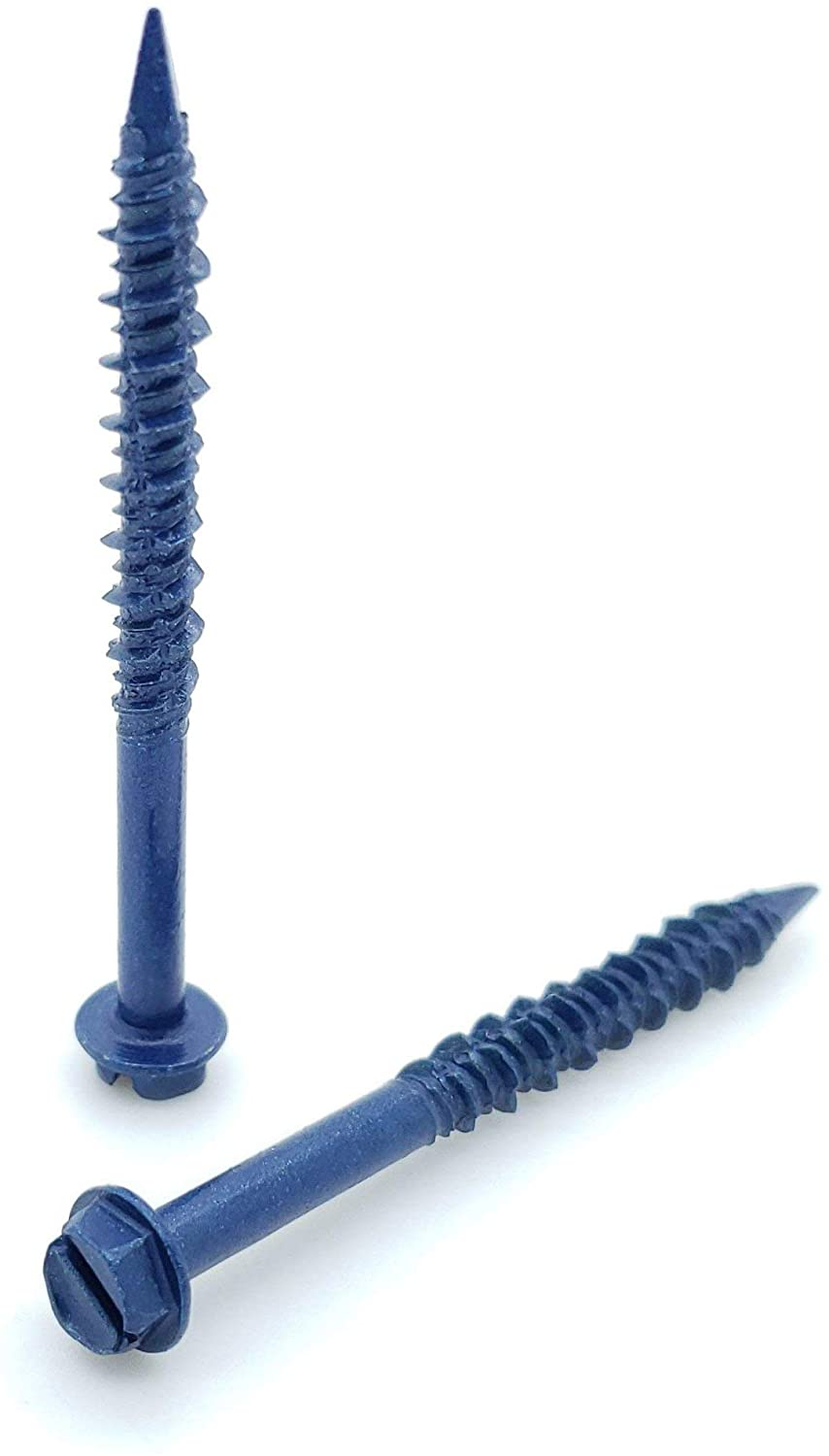
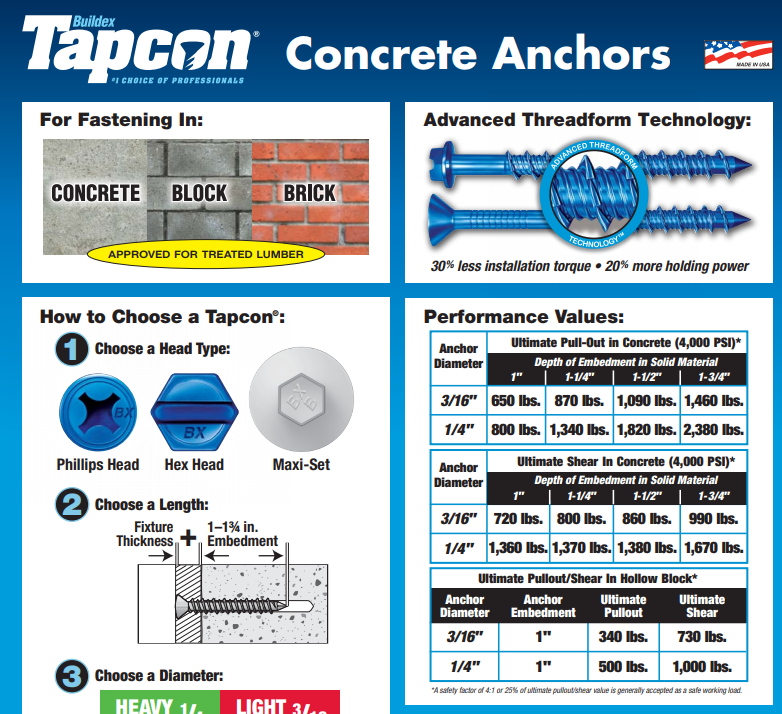
@Ralpharama- Use concrete screws (Tap-Cons) specifically the larger diameter screws that use a 3/16th inch concrete bit. You won't have to use as many screws so less drilling.

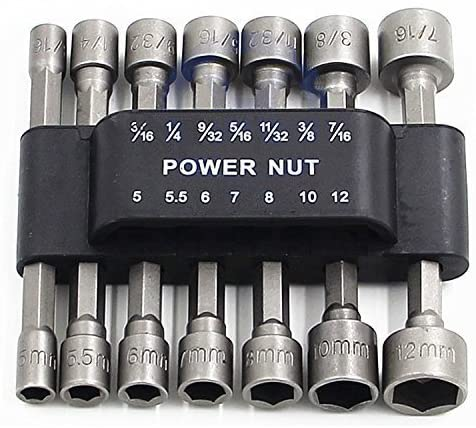
Also use the the Tap-Cons with a hex headhex head. They are easier to drive with the proper driver and don't strip-out as much as the Philips head screws.enter image description here

Finally, you want to drill pilot holes into the frame pieces along the back of the unit (cupboard). Not the back panel, but the thicker frame. Dill 7/16ths-1/4 inch pilot holes with a wood bit. Possibly 3 on the left and right side and 1 top and bottom.

It would be wise to construct some sort of temporary support device (5 gallon buckets, crates, chairs, etc.) that you can set the cupboard on at he height you desire. It's easier to drill.

With your concrete bit start drilling through the pilot holes into the wall once you are satisfied with the location. You'll want a helper holding it to the wall. When drilling just drill enough to mark the wall. Do this for all the drill holes. Remove the cup board and than complete drilling to the appropriate screw depth.

Use a long enough screw so that at least an inch of the screw length is secured into the wall. (example: my wood frame is 3/4 inches thick so I need an 1 3/4 inch tapcon.)

Hint: wrap a pirce of tape around your tap con bit that is slightly (1/16th inch) deeper than your screw to act as a depth gauge.

Lastly (again), buy an extra tapcon bit if your drilling several holes. The quality has diminished and they dull quickly. Don't over torque when tightening screws as they can strip out.

ojait
  • 11,108
  • 3
  • 14
  • 36
15

@ojait's answer has good info about getting things attached into the wall (I'd rent a rotary hammer for this.)

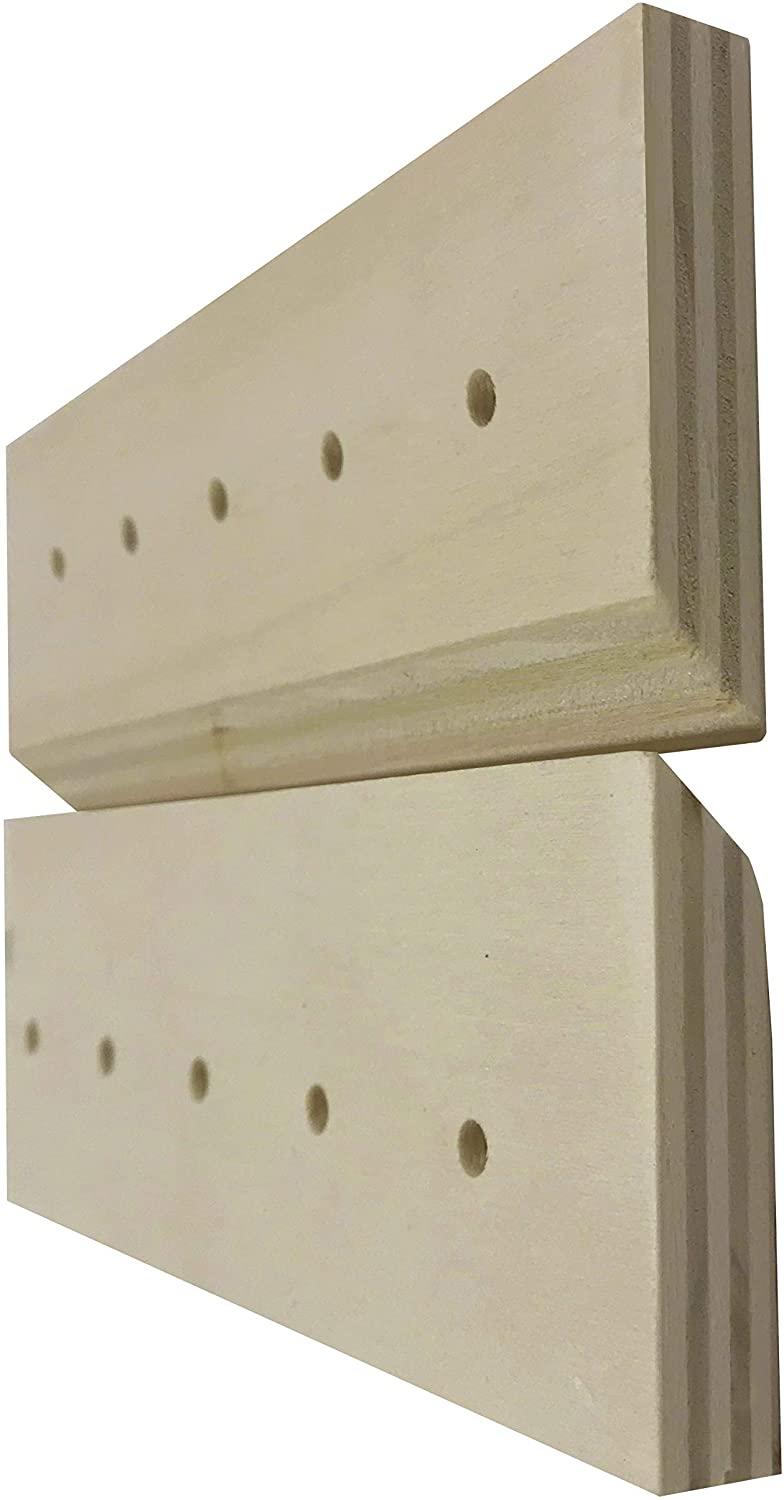
In order to make things a lot easier and get a good sturdy support I would suggest creating a french cleat. It will save you a lot of trouble.

As @Criggie notes, the image below shows the holes evenly spaced and in a straight line. That is likely designed for stud framed walls with extra holes to allow for positioning. In your case, you will want to space the holes out on the wall and use the number of screws as needed per the tapcon instructions.

For the back of the cabinet, you should make sure the cleat is secured to solid structure such as the frame. You can put some (short) screws into the back but make sure you get into the frame. You should be able to pick up the cabinet by holding the cleat alone.

enter image description here

10

I'm a 62 year old (2nd gen.) custom cabinet shop owner and have a ton of experience in cabinets. I strongly suggest you really look at the back of that piece before you do anything. All the fasteners in the world mean nothing if the cabinet/furniture is built in such a way where it won't support itself on the wall. I think the easiest (not the most nicest looking from the side) way to handle this is simply screw on a piece of good quality 1/2" plywood to the back of that thing. Make sure your screws go into solid wood around the perimeter of the cabinet, top and bottom, left and right sides. Unless you change your mind in the future and decide to place it back on the floor, I'd use wood glue also. Then all the fastener screw recommendations can be used here. If you simply have a 2x4 stud wall, use a good quality 3" long screw and use at least 4 of them to hold that thing up. Once you're done, try to move the cabinet with your own arms. Even try some weight on it. If it's sturdy, you'll know it. If not, the cabinet isn't built well and you should take it down and not hang it. It's that simple.

Flywood
  • 123
  • 5
8

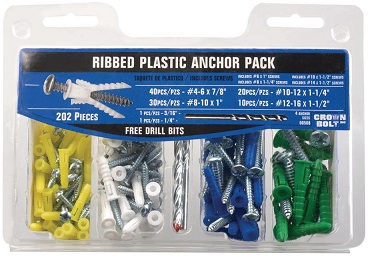
These plastic anchors can support up to 435 pounds (green) in concrete. Just make sure to use more than one :)

enter image description here


If you choose something like a Tapcon screw then it really gets impressive:

enter image description here

Just be careful not to overtighten or else you'll turn the concrete into dust and have almost no holding power.


Whichever route you take just make sure you use a washer under the head of the screw so that you have more surface area or else the cabinet wood will fail before the screws fail. The Maxi-Set might not need a washer since the head is big enough.

MonkeyZeus
  • 17,328
  • 2
  • 27
  • 64
6

What are you going to do with the space underneath that cabinet?

Throwing out another idea: if you can find a narrow table to go up against the wall that would

1: support your cabinet atop it securely. You might still attach cabinet to wall for stability but not to bear weight.

2: table will carry lines of cabinet down to the floor which would be a good look.

3: give cat protected floor space for cat food under the table.

Willk
  • 6,633
  • 2
  • 13
  • 31
2

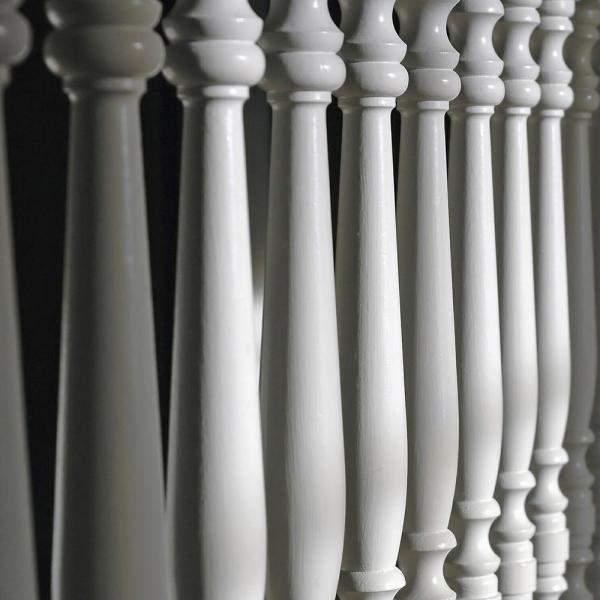
If you cannot find a small table to put it on securing it to the wall with a french cleat at the top and putting it on legs made out of staircase balusters might work.

I've built something similar with almost no additional framing underneath other than the balusters. It worked great. In fact, when I first installed the legs I simply put a screw down into them from inside the cabinet. That worked very well for over a year until I had time to build a bit more of a frame underneath.

These are what I am thinking of enter image description here

Justin Ohms
  • 161
  • 4
1

@flywood has absolutely the best answer here use a piece of 1/2” Baltic birch plywood the full size of the back scrape or sand off any high spots glue it and screw it to the back from the back side. making sure the screws go through in areas where the heavier wood structure is. Was this stated this was a concrete wall? ....I did not see where this was in the original posting? Anyway all fastener options should work. A simple wood screw if this is a stud wall will hold 80 to 100 lbs four screws can get you 400 lbs therefore you should have at least 4 screws going into the wall if it is a stud wall. Again if studs the screw should be a square head so you can drive them easily. Paint the ends to match the piece. 2cnd option if you were to mount the piece you now have a dead space under the cabinet. Why not make a new piece? I lots of comments about finding something that works, but why not draw out the piece below and style it similar create it and paint it yourself. I can see open shelves door or drawers here. Sounds like a fun project!