6

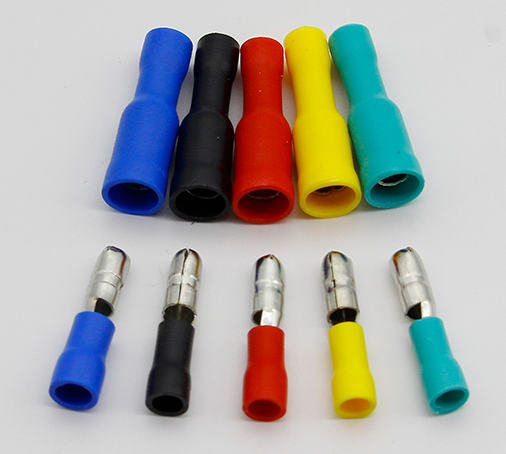
I need to connect pairs of wires within a narrow space (in one of the dimensions). I've been thinking of getting this kind of connector pairs:

enter image description here

but I know they need crimping. The only crimping I've ever done is RJ-45 connectors, from which I know that not all crimpers are alike. I'm finding dozens of crimping tools, many with replaceable "jaws"; example below. So, my question is: What kind of crimping tool, or tool+jaw combination, should I get for these connectors?

Notes:

  • The wires on one side are solid; on the other side they're stranded.
  • The connectors' stated diameter is 4mm.

enter image description here

einpoklum
  • 3,145
  • 4
  • 25
  • 42

7 Answers7

4

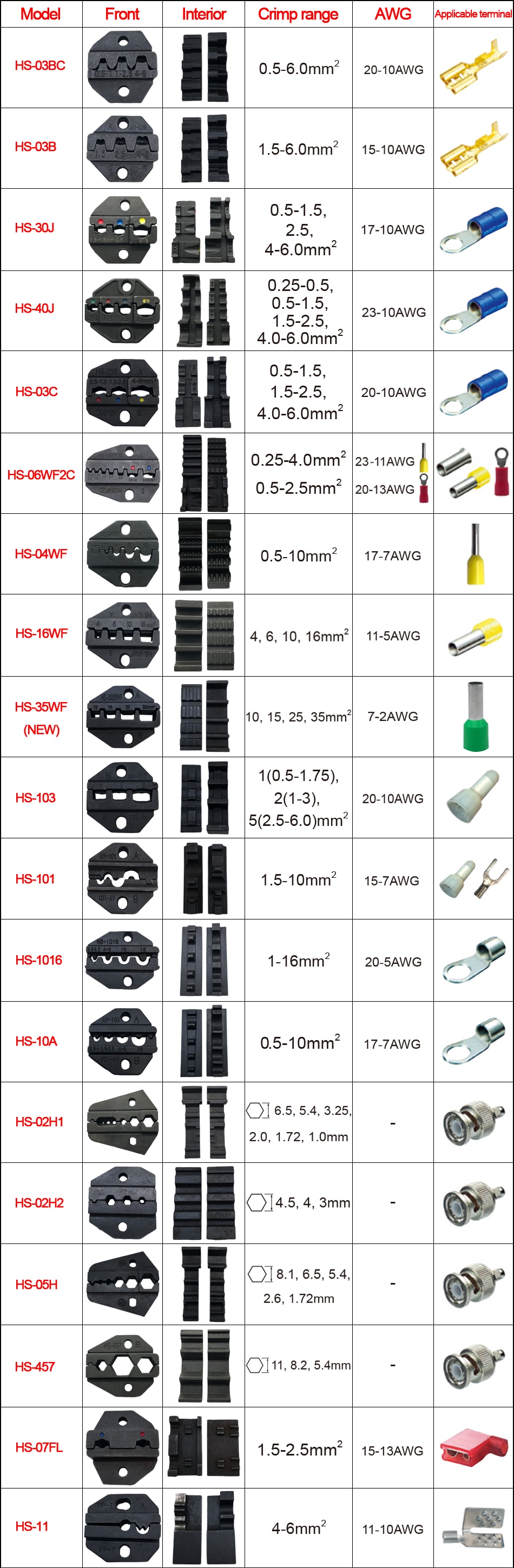
tl;dr: Get a pair of HS-40J -type crimping pliers.

(This answer partially relies on information in @JACK's and @ThreePhaseEel's answers.)

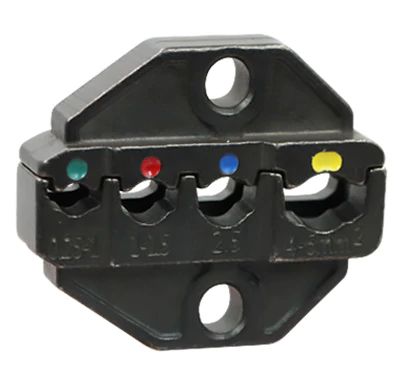
Here's the kind of plier jaws which should work for you:

enter image description here

this type of jaws, and pliers, is named HS-40J. You'll notice the color-coding - but also the cross-section area, in square millimeters, listed:

  • 0.25-1.0 mm^2 - Green
  • 1-1.5 mm^2 - Red
  • 2.5 mm^2 - Blue
  • 4-6 mm^2 - Yellow

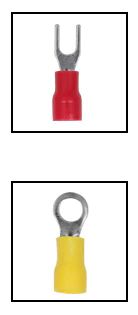
It is customary to have wire connectors obey this color coding, e.g.:

enter image description here

Other jaw sets - even from the long list you posted - may also work, depending on the cross-section area, but sometimes they have weird target shapes.

You will need to figure out the cross-section of your wire - not your connector - and crimp around the wire, accordingly. Specifically, the 4mm connector diameter is not the number you need to use. Please follow the rule: "Measure twice, cut^H^H^Hcrimp once"...

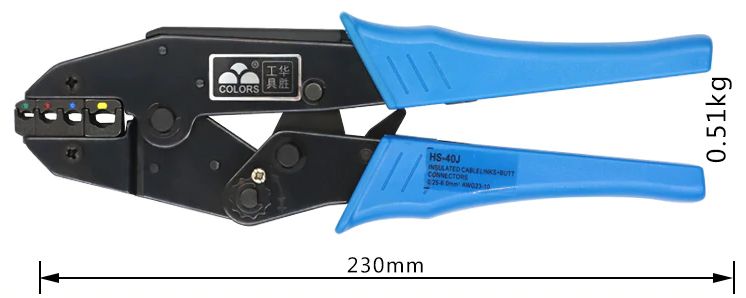
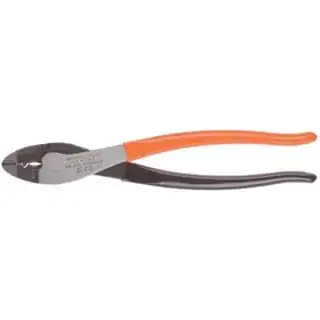
Here's how a full pair of pliers looks, with typical dimension and weight:

enter image description here

einpoklum
  • 3,145
  • 4
  • 25
  • 42
2

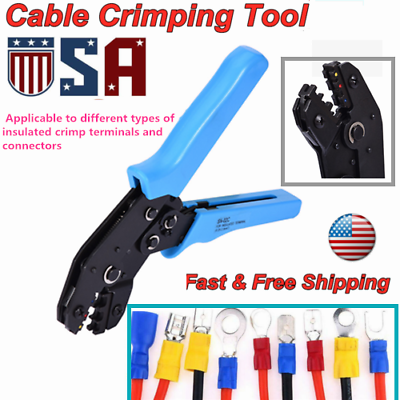
These are insulated connectors so there are variety of pliers type tools you can get at your home store or electrical supply store. The jaws are color coded to match the color of the standard size connectors: blue, red and yellow. If there isn't an exact color match, use the size closest to it.

The one shown below is from Ebay and I have no affiliation with them.

enter image description here

JACK
  • 89,902
  • 21
  • 80
  • 214
2

These sort of "bullet" connectors are a subcategory of solderless terminal, and use the same crimp jaws

The "bullet" connectors you are looking at are considered a type of solderless crimp terminal, similar to a ring, spade (fork), or tab (quick disconnect) terminal. As a result, you'll want to use the set of jaws for your crimper that you'd use with an insulated ring, spade, or tab terminal; make sure the jaws can handle the size of the wire in question, and that your connectors are rated to be crimped to that size wire, though!

ThreePhaseEel
  • 87,685
  • 36
  • 144
  • 243
1

I don't see a mention of the wires being solid or stranded. You should check if these crimped bullet connectors are compatible with the type of wire. I don't think they can take solid core.

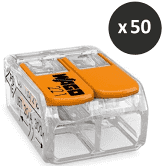
However, a much better solution is to use wago 221 for stranded and/or solid wire, open the orange little levers, push wire inside, close.

enter image description here

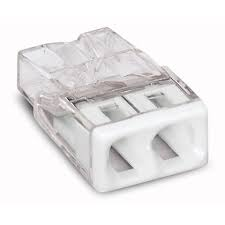
...and wago 2273, simpler to use, you just push the wire in, but it works with solid wire only.

enter image description here

These are really tiny, and rated and approved for mains voltage.

bobflux
  • 11,121
  • 29
  • 35
0

Hire a licensed electrician. DIY electrical work appears to be illegal in Israel.

According to the Israeli Ministry of Labor and Social Affairs, it is illegal for individuals who are not licensed electricians to perform electrical work.

The Law in the State of Israel prescribes that whoever engages in the performance of electrical works must hold a valid electricity license appropriate for the class of electrical work. The performance of electrical works by whoever is not in possession of a license constitutes a criminal offense.

Presently, the Electricity Law defines "the Performance of Electrical Works" as the installation, inspection, change, repair or dismantling of an electrical facility including supervision of the performance of works as aforesaid and the drafting of technical plans for the performance thereof.

I'm not a lawyer, but that sounds like it includes DIY work on your own home. As a result, if you perform the course of action you're asking about in this question, you will be performing a criminal activity.

There are good reasons for this; electricity is dangerous and you mess around with it, you risk killing people, burning down your home, or both at the same time. If you want electrical work done, hire the services of someone who has been trained in how to do it safely.

nick012000
  • 706
  • 6
  • 10
-2

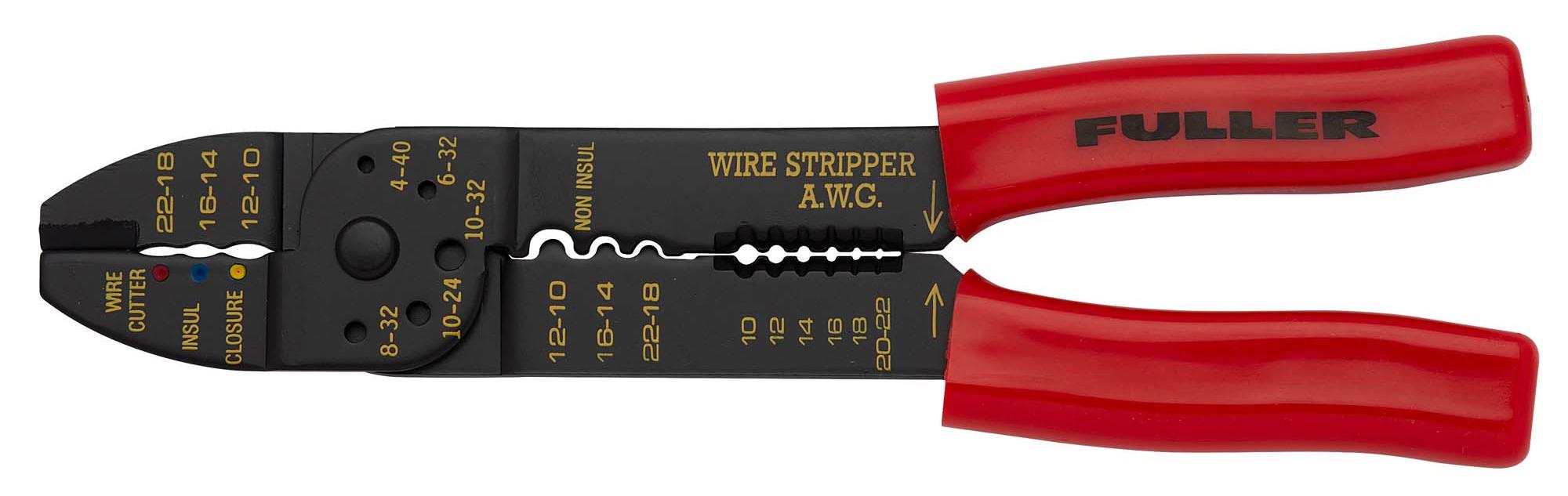
If you're doing this kind of work once a year, then a cheap pair of crimpers might suit your budget better.

https://www.fullertool.com/product/crimping-tool/

The red/blue/yellow holes on the left are for squeezing wire crimps, and while they don't do a quick or great job, they're superior to pliers.

Main advantage here is that this is a sub-$10 in most places, or $25 with a selection of crimps/spades/forks etc.

Sure I'd like to own the best tools for every job, but when the pro-version is several hundred dollars, that difference is more useful elsewhere. For a rare task, these are fine.

Criggie
  • 11,950
  • 2
  • 26
  • 79
-2

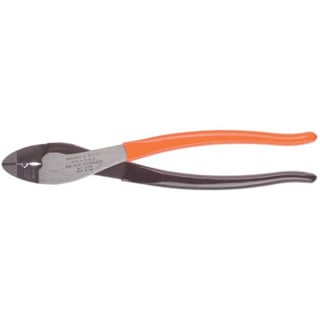
Short answer: choose a quality brand suitable for 230VAC applications, buy their crimp tool and butt splice crimp connectors. For example, the Thomas and Betts WT112M Sta-kon crimper
T&B WT112M

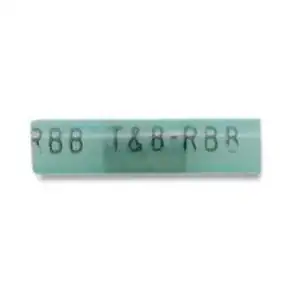
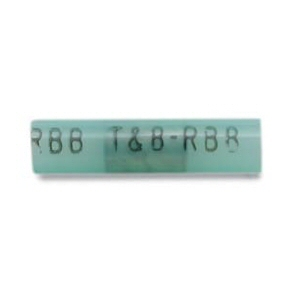
and crimp butt splices

Sta-kon RBB

making sure you buy the right size splices for the wiring you're splicing.

The insulated crimps are popular, and they're color coded for the wire size. The non-insulated are cheaper and crimp on more securely, but you have to insulate them with tape, heat shrink, or etc.

If space is really tight, stagger your splices if possible so they aren't all on top of each other.

There are other consumer / hobbyist products in other answers, but you are better off using professional grade products that satisfy stringent code requirements - even if you're in a situation or area that doesn't have strict code enforcement.

Now for a deep dive...

There are an awful lot of ways to connect two wires. I will try to talk you out of some of the popular junk you'll find online. If it seems like more trouble than it should be, consider that it might be worth a little extra trouble to avoid starting a fire.

You'll want to make sure you select a product that's rated for the application - for the voltage and current present, and any environmental factors (wet locations, etc.)

You'll also want to make sure the connectors you use satisfy whatever local codes govern house wiring etc. These codes in many places would require that the product you use are certified testing by some testing agency. For example in the US, the National Electrical Code (NEC) would require these connectors be listed - that is, tested by a lab that the local authorities accept, such as Underwriter's Laboratories.

In fact, the NEC would also require you to use the listed product according to the manufacturer's instructions. The instructions will usually list exactly which tools you're permitted to use. That's how strict the rules really are. That may seem silly, but the tolerances of these tools are actually pretty tight, you need to make sure you get a secure crimp without overcrushing the terminal.

Your electrical code may also restrict where these connections can be made, for example, it may prohibit these connections in conduits, or require that the connections be inside junction boxes or enclosures.

The bullet connectors in your post are handy when you have to occasionally disconnect and reconnect the wiring, but that's not usually a consideration when you're wiring a light. Usually for house wiring, security and reliability of the splice / connection is by far the most important consideration.

That's an awful lot and seems like way too much fuss over a few simple connections, but bad connections really do cause fires. It's just not that hard to do things right, follow all the rules, so I'd say, don't cut corners and use whatever crap presents itself to you on Amazon. Just because it works for kid's school science projects running on 9-volt batteries doesn't mean it's a safe choice for your 230V house wiring.

So here's what I do, and what I recommend. Find a local electrical supply that stocks and sells products that work with your local laws codes and requirements, and use the brand that they stock. Buy the crimper and terminals the same brand. For example I can buy Ideal brand locally, it's a reputable brand, reasonably priced, and works and complies with code for my purposes. So I bought the Thomas and Betts Sta-kon crimp tool years ago, and have bought all kinds of Sta-kon crimp terminals over the decades, Sta-kons were around before I started crimping wires and I bet will be available to whoever's using this tool long after I'm gone.
batsplatsterson
  • 25,515
  • 1
  • 34
  • 83