1

When applying pipe joint compound, a.k.a dope, does the application of tape (Teflon tape etc...) not hinder a chemical bond between the compound and the threads, or is does the compound merely serve as a filler, albeit one that withstands high pressure?

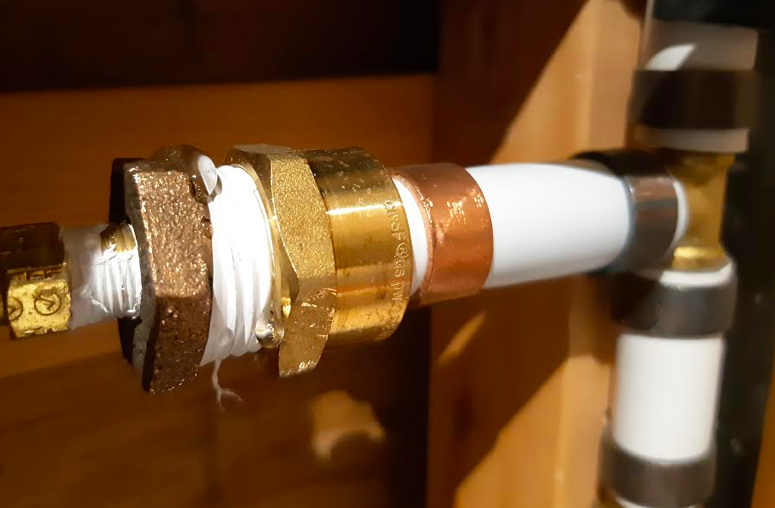
Here is a new threaded water fitting where I noticed a slow leak:
enter image description here

I have a suspicion that the problem here is too much tape (someone did this before me), and I will take it apart and redo.

But what's interesting is that it seems there is water escaping at both ends of the threaded connection. This suggests the water is traveling under the tape to the far end as well.

Could pipe compound over tape have avoided this? Does this not make the case for compound-only?

This question, What goes on threads first: tape or dope? has answers either way, and comments arguing for or against each. It all seems based on valuable experience, but there is no mentioning of the science. And youtube videos on this topic go either way, or are indifferent about it.

To clarify the specific question in light of that and other similar questions: if the water is leaking under the tape, is compound -which goes over the tape per manufacturer's recommendation- the right remedy?

But I think the answer is in the comments: the taping is poorly done, and either it should be re-done, or it should be doped. No need to do both, this is an application failure, not the wrong choice of method.

Is this question a duplicate? No.

Other questions (see here and as linked in the comments), address when either of the two are required, yielding many contradicting answers.

My specific question asks about what happened here in my fitting (drops despite tape, no dope), could it be avoided with dope, and wouldn't dope alone be better than tape since tape is the point of failure here. And whether the tape would hinder a chemical or better compound bond (no it doesn't, a compound seal is not based on a chemical bond).

There are many valuable insights in the comments and in the answers, some reflect the sentiments and facts in previous questions and some are new.

P2000
  • 16,250
  • 1
  • 33
  • 55

3 Answers3

5

You're supposed to use one or the other. If you're going to use both then apply the tape first. If you dope then wrap then I could foresee the tape being pushed out of the way before it gets gripped in the female threads.

Neither one is designed to produce a chemical bond, not sure where you got that idea from. These products aren't Loc-tite blue/red.

Both are designed to act as physical obstructions so that water cannot get through the threads. I don't think that using both hinders nor helps to stop leaks over using just one; proper material coverage and tightening are your best friends.

Some plumbers like to use both for whatever reason; old habits die hard I guess.

Maybe they've succumbed to some persistent inspector that likes to see both products applied so now it's a habit and propagated de facto. Here's an HVAC instructor that tells his class to "apply mastic to the outside of flex duct to appease the inspector". Obviously this example is HVAC but the common denominator is the same; the inspector.

I have success regardless of which method I use.

I have a particularly rusted galvanized line to which I ran PEX. The threaded brass transition leaks a tear-drop every so often but it's actually caked with enough rust/hard water that it no longer leaks. I may try switching out the pipe dope for tape whenever I have some time to spare.

MonkeyZeus
  • 17,328
  • 2
  • 27
  • 64
1

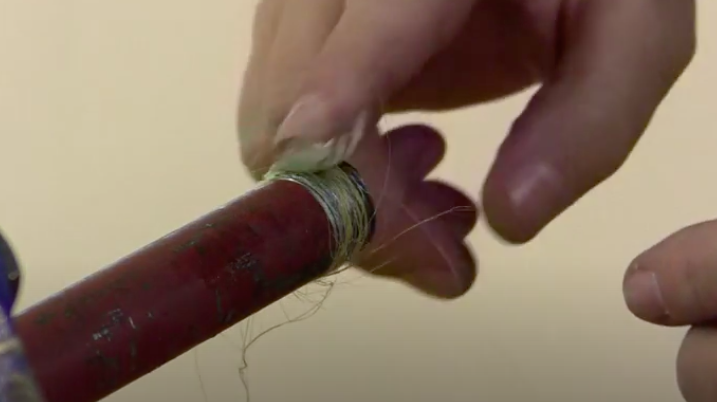
What really does work in conjunction with pipe dope is plumber's hemp. This is used widely in Europe, New Zealand, and Australia, perhaps because they sometimes use parallel threads which cannot be sealed completely with dope alone. Plumber's hemp will also work with the tapered threads used in the US. I have never used hemp, but I intend to try it in the future, and I do not intend to scratch the male threads to hold the hemp in place.

There are numerous videos showing how to use plumber's hemp and they advocate different methods of use. Here is just one:

https://youtu.be/77QxXewSVbg

enter image description here

P2000
  • 16,250
  • 1
  • 33
  • 55
Jim Stewart
  • 22,784
  • 1
  • 34
  • 53
0

Honestly the real issue is too many fittings/leak points. It looks like they either could not find the proper pex to threaded fitting or used what they had on hand. Find the proper fitting and reduce the leak points.

Wolf
  • 26
  • 1