5

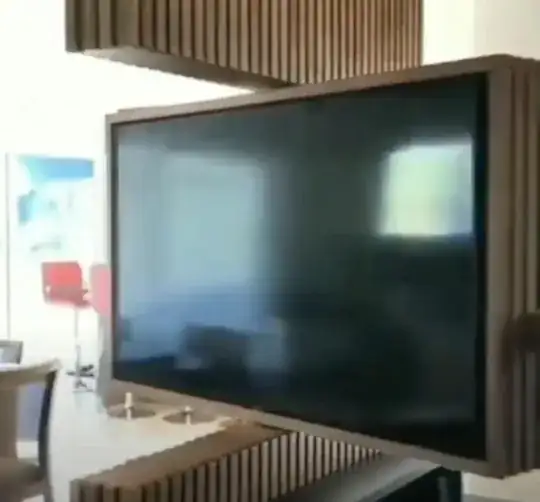
We're wanting to mount a TV under our covered patio. Hot tub is on the other side, so I'd like to build something like this:

This would let me leave the TV protected (by facing it under the patio), but we could spin it for viewing in the hot tub.

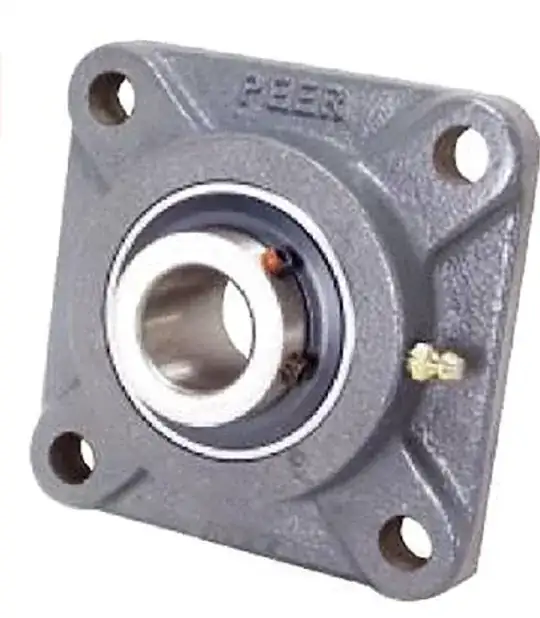
I'm having trouble figuring out what hardware to use for the rotation. This flange bearing seems close, but the bolt goes through the center so there's no space for a power cable:

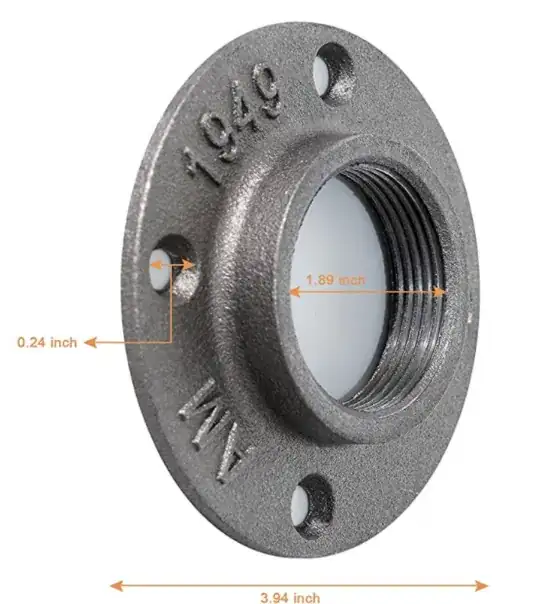
This pipe flange seems perfect but I can't figure out what bearing to use with it. Seems like hanging it by the threads and using those for rotation is not a good plan:

bendytree
  • 164
  • 1
  • 6

3 Answers3

6

Look for a lazy susan bearing. There are various designs, sizes, weigh capacities, and most of them have a large opening for your cables. You'll just have to rig your own end stops so they can't spin round and round.

enter image description here

or adapt an inherently rotating pole-style TV mount

enter image description here enter image description here

jay613
  • 49,543
  • 6
  • 70
  • 201
6

Floor flanges like you show top and bottom would actually work beautifully. Use a little lithium grease to keep things from seizing up and be happy with a robust, cheap solution. You could put a pair of cross tees on the mast with protruding nipples for mounting. 1" or 1¼" pipe would look good and could contain power and HDMI cables.

To create a swivel stop you could notch the end of the pipe and put a set screw through the flange.

I would not rely on a single bearing suspension point (as in other answers) outdoors. Even with a high quality bearing you're likely to get movement in any substantial breeze, and if your balance isn't done just right it's likely to lean.

Here's what it might look like:

FRONT ELEVATION
        ╥ <-- floor flange against ceiling
        ║
        ║
        ║
        ║
  ▫═════╬═════▫ <-- cross, nipples and endcaps
        ║
        ║
  ▫═════╬═════▫ <-- cross, nipples and endcaps
        ║
        ║
        ║
        ║
        ╨ <-- floor flange against floor

If you size the vertical pipe in the center properly (with a nipple or custom cut at the store) you'll hit your VESA mount height with the crossbars. Put some holes in there at the proper width and use some plastic bushings to create a slight space between the pipes and the TV for clearance.

You can add fittings such as open tees where appropriate for cable management. If you want to get really fancy, use 90° or 45° elbows to bump the central section back so that the TV is centered between the floor flanges:

SIDE ELEVATION
        ╥
        ║                
        ║
        ╚═╗
       || ║
       ||:║
       || ║
       || ║
       ||:║
       || ║
        ╔═╝
        ║
        ║                
        ╨

As you do your planning, keep in mind that it's not really possible to build boxes (rectangles) with threaded pipe. You can fake it by grinding the threads off a non-critical joint, but you can't assemble it directly due to the logistics of the situation.


How did I build the diagrams? Here's your huckleberry. Scroll 2/3 down the page.
isherwood
  • 158,133
  • 9
  • 190
  • 463
1

Here is another way you could do it. I like the answer from @isherwood, possibly better than my other answer about lazy susans because it's simpler. You don't need ball bearings because you're not going to be spinning it round and round. So if you're having trouble figuring out how to deal with threaded pipes and exactly what parts to use, consider this:

Kee Clamps

This is a system of clamps meant for building temporary railing systems, temporary structures, etc using tubular steel or aluminum. You could easily adapt these for your needs.

Instead of threaded pipe, they use steel or aluminum tubes and they connect using set screws. In your case you could adapt the set screws by drilling into the pipe for a more permanent set, or drilling through the pipe and using cotter pins.

There are many configurations you could devise but I think the simplest would just use two flanges (the leftmost part in the picture below) and a short length of pipe. The bottom flange would be screwed to the TV housing from underneath. The upper flange would be resting loosely on the outer frame, separated by a ring of teflon. You don't need ball bearings.

These come in systems with different pipe diameters, I think you should use a 3/4 or 1 inch system. For the pipe, the easiest thing would be to use electrical EMT or RMC because you can pick them up locally and they're easy to cut.

Mounting the TV:. You could also use a longer pipe, and extend it through the lower flange to the middle of the lower cabinet, where you would use a cross-pipe and a couple more flanges to connect your VESA mount. That way, the TV is hanging directly from the pipe with its weight on the upper frame, and then the lower frame does not have to be structural, it only has to be strong enough to support its own weight and protect the TV from the elements.

enter image description here

jay613
  • 49,543
  • 6
  • 70
  • 201