I have a 140-year-old house of heavy masonry (bluestone/basalt) construction. It is built into the side of a hill with about 25% of the "basement" actually below ground level:
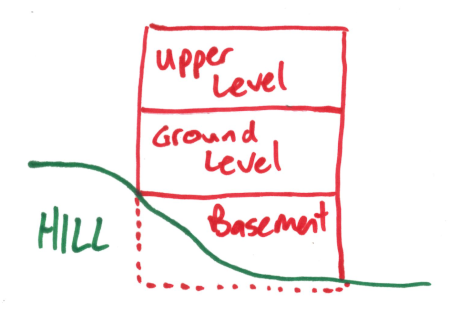
You can probably guess where this is going - the basement has been plagued with salty damp, specifically where it lies under the grade of the hill. It seems to be a combination of rising damp and penetrating damp soaking through the pores of the masonry, with the usual symptoms of bubbling paint, failing plaster, powdery white salt emerging from damaged wall areas, etc...
Up till now we have used a series of relatively cheap measures to hide the problem rather than deal with it properly.
I am seeking advice from anyone who has used, or knowledgeable about injectable chemicals to damp-proof walls -- did you find it effective in solving the issue? Is this something a homeowner could do themselves or does it require a professional? Is it a permanent fix?
I am also wondering, for the walls below ground level, if it is feasible to systematically inject the entire length and height of the wall with chemical solution rather than just a low band of wall to create a DPC. I realise this would be more expensive but I really want a solution, no pun intended...
(We're looking at other approaches as well, such as trenching and waterproofing the exterior walls, but this has been made difficult by the nature of the surrounding terrain and expense of excavation. So, this enquiry is specifically about injectable chemical treatments.) Thanks in advance...


