6

Small kitchen so the gas range is next to the refrigerator with 1.5" space between. Wasn't a problem until we got a new stove with larger/wider burners closer to the side.

Would like to attach heat shield (or maybe ceramic tiles) to the side of the refrigerator which has a slightly textured finish. (Apparently dangerous to screw into refrigerator side because of tubing.)

Will this work? Best type of adhesive? (Heat resistant.) Will it peel off with the refrigerator finish?

Thanks.

isherwood
  • 158,133
  • 9
  • 190
  • 463
wilsona
  • 61
  • 1
  • 3

5 Answers5

12

Don't do it.

Ceramic is a poor thermal insulator. It's dense. It'll absorb a lot of heat, then it'll hold that heat. Against your refrigerator. Which will cause more problems than you originally had.

You need a new plan. One that involves insulation (or an air gap) and maybe reflectivity.

isherwood
  • 158,133
  • 9
  • 190
  • 463
7

Get a sheet of cement board, attach the tiles to that as you normally would and insert the panel between the stove and the fridge. maybe put a wooden frame around it for looks and some durability.

gnicko
  • 6,251
  • 2
  • 24
  • 42
4

I'd take a leaf out of the James Webb Telescope's book: a heat shield.

Just a metal plate to cover the part of your fridge that extends over your stove top, just thick enough to not dent when banging a pan against it. It will reflect a good part of the radiant heat from the stove. Mount it on thin vertical bars to create an air gap of at least half a centimeter between the plate and your fridge, so that cool air can stream in at the bottom (from below your stove top, it should not take in the heat of the flames) and leave at the top: convection then will take care of heat that gets through your metal plate.

Then it only becomes a question of how to fasten your vertical bars (e.g. extending them onto the top of your fridge and using silicon to "glue" them there, and fastening them at the bottom to the side of the top plate of your stove to hold the weight of the plate -- or even extending those bars all the way down to the floor).

orithena
  • 141
  • 4
1

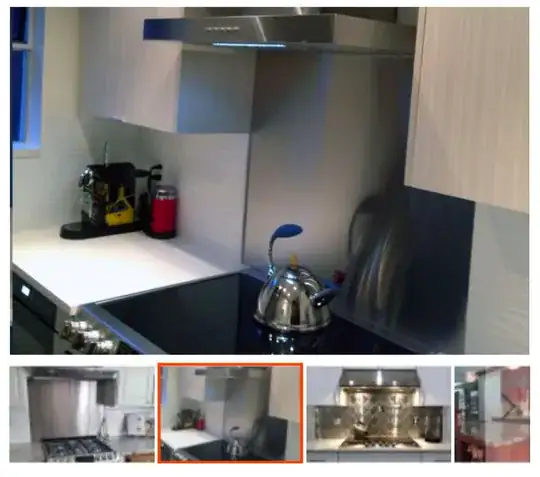
Once yo've determined that the side of the fridge is not a heat exchanger, you could cover it with a "stainless steel backsplash"
enter image description here

This would insulate by reflection.

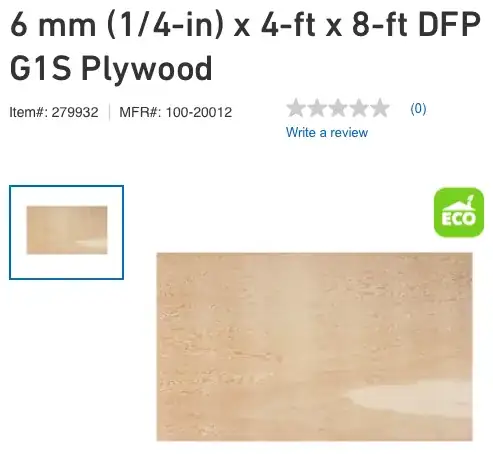
To further prevent heat conduction through the metal to the fridge, you could back it with plywood. The plywood does not have to be thick, and 1/4in might do. You can get sheets in full size (4x8ft) but also in half or quarter size.
enter image description here

You can glue the backsplash to the plywood with a high temperature adhesive (plenty available), and I would further support it with screws in the four corners, in case the glue fails. Depending on the size of the backsplash and its rigidity, the glue may even not be necessary and several screws in/around corners would suffice. The screws should be short to fasten the metal to the plywood, but not pierce out the back.

The plywood can be hung from the fridge with L brackets or a cleat resting on the top of the fridge. Here you could use double sided tape to prevent it from sliding off, as the actual weight is held by the shape of the bracket and not the tape.

Should the fridge require clearance, you can space the plywood from the fridge using standoffs like washers or small pieces of cut-off plywood, to allow air to move between plywood and fridge.

Images:

P2000
  • 16,250
  • 1
  • 33
  • 55
-3

I'd suggest trying double-sided foam sticky tape. That should hold just fine to the textured surface. Just make sure to clean all surfaces very well for best adhesion.

Milwrdfan
  • 6,711
  • 16
  • 30