-1

I live in a community with an unfiltered surface water source for my municipal water supply. While the community is trying to bring online a brand new water treatment plant, it’s not operational yet.

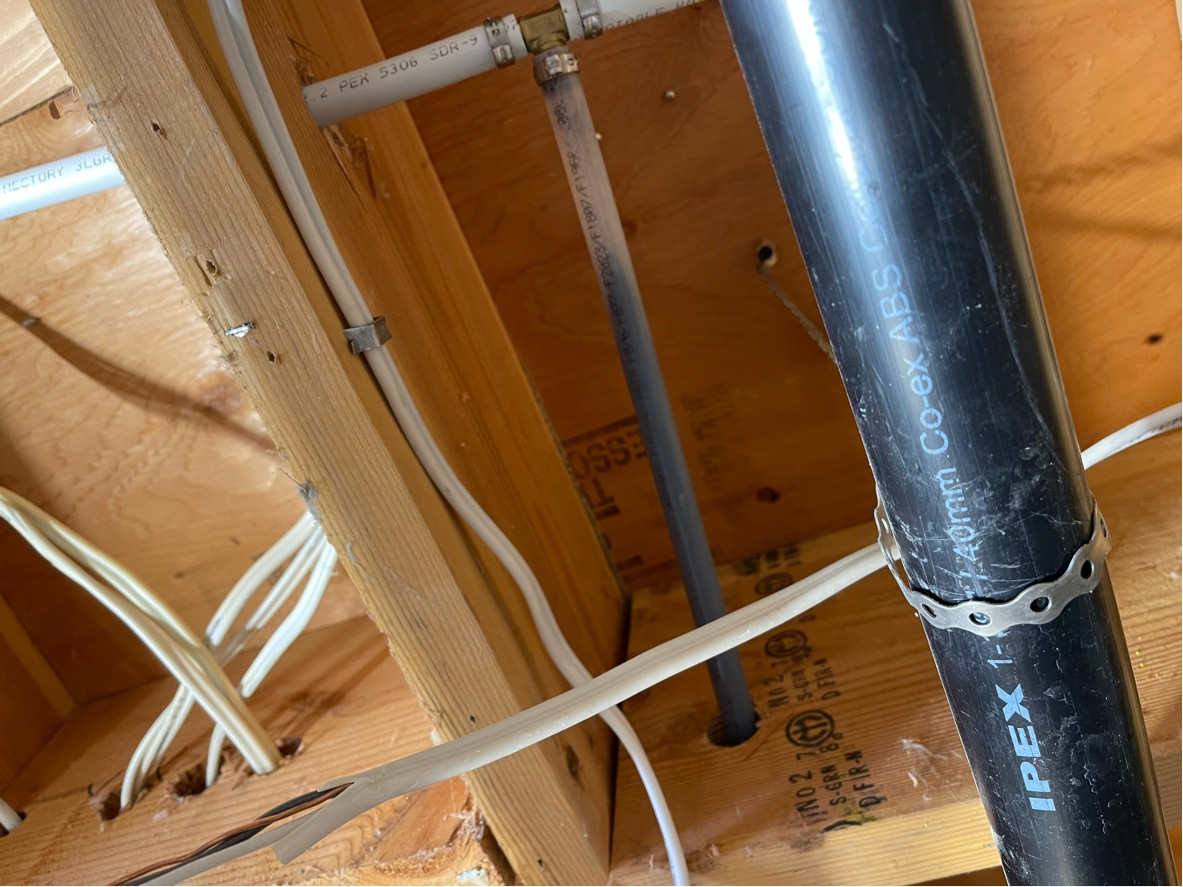
Point is, they just chlorinate then pump gnarly lake water to our houses. The water is full of sediment that settles in the pipes. See photos. My question is, what is the most effective way to flush this crap out before I move in and before I install a whole-house water filter? Currently the hot water tank is not connected and the hot and cold leaving and entering the tank are capped and not joined.

I was thinking I could join the hot and cold sides of the supply in the house, open the furthest faucet from the mains supply and let it run for a good while, maybe an hour? Not sure if this would work — and it doesn’t take into account flushing the hot water tank once it’s reconnected since I’m sure that must be full of dirt. Any ideas on how best to flush that too?

sediment in supply pipes

sediment in supply pipes

RibaldEddie
  • 2,440
  • 1
  • 14
  • 15

3 Answers3

0

It's a good start, but I doubt an hour of hot water would get rid of sediment that has been caking on for years.

I would follow this up with a cleaning agent (pump it in, let it sit for a few hours, then flush, rinse and repeat until clean). Make sure the cleaning agent you use doesn't corrode plastic pipes or brass joints. It's fine starting with something mild (a simple house cleaner for example) first before you break out the chemicals, you can do multiple cycles (as long as you do a rinse round when you change products). And yeah, you'll probably need to disinfect (and do a final couple of rinses) at the end for hygiene reasons.

And no, do not circulate the dirty water back into something else. If it's just hot water and sediment you can probably send it into the environment (your lawn for example), with cleaning agents it needs to be disposed of (for example the sewer if this is allowed in your area / water treatment system). Your local water treatment company will probably have information on what is and isn't allowed in the sewer.

MiG
  • 2,395
  • 1
  • 10
  • 20
0

You have to open every endpoint, or the crap in the line to any individual endpoint will be left undisturbed by the water passing by on its way to the "furthest endpoint." For effective flushing you might need to disconnect faucets to get sufficient flow-rate to move the crud. You can apparently check progress by looking at the pipes to see if you need to do more. You'll probably need to open each endpoint individually or the pressure & flow will be insufficient to make a dent.

Might as well install basic bulk filtration before bothering with this - I'm personally rather happy with the filter style (spin-down) that combines centrifugal force with a filter element, throwing the bulk of material out and down rather than just dumping it straight onto a filter element and plugging it. Versions with a collection area and valve below the filter element are available and simplify cleaning that bulk material out.

If you want finer filtration that those provide, place it after them, their life will be increased by the bulk removal provided, but for high-flow flushing you don't rally want a very fine filter in place as it will impede the flow.

Water heaters have a drain valve and a cold water inlet. You clean the water heater the same as ever by opening the drain valve (usually after attaching a hose to drain somewhere convenient) and the cold supply and flush until it runs clean. Be sure to get all the air out of the tank via the hot water pipes before you turn the heater on. Since the heater is the point where hot joins cold normally, there's really not a lot of point in "joining hot to cold, flushing pipes, then reconnecting the water heater" - just connect the water heater (rather odd for it to be disconnected and capped off - since it sounds like a new house you are moving into, that makes me wonder what the seller(?) was up to) and flush it, and flush through it for the hot-side pipes.

It might be worth doing some "blow-out" with compressed air interspersed with water flushing, depending how just flushing with water goes. Or combine water and air (bubbles help stuff to move.)

If veering off into adding chemical agents, stick to ones normally used in potable water systems.
Ecnerwal
  • 235,314
  • 11
  • 293
  • 637
0

My question is, what is the most effective way to flush this crap out before I move in

Replace the lines and install a whole-house filtration system, period.


Other options include:

  • Introduce a cleaning agent into the lines and pray that it attacks the sediment and not your PEX and brass
    • You will likely need to wait a few hours after flushing before you can drink the water
  • Scrub the inside of the lines
    • I have no idea how this could possibly be easier than just replacing the lines
    • I wouldn't insert some long, scrubbing drill bit attachment because it will create microcosm of turbulent valleys and you could oddly end up with a leak in the middle of your PEX line. Back and forth scrubbing is the only valid choice I can envision.
    • If your PEX line doesn't have enough slack then re-crimping may or may not work right. Can you re-crimp the end of a PEX tube?
  • Try and break up the sediment by flexing your water lines back and forth.
    • Just don't damage the crimp connections
    • This wouldn't clean the inside on the brass joints so if you're having water pressure issues then they would likely persist
  • Just install a whole-house filtration system and move in
    • This would prevent the problem from getting worse
    • It's just sediment, it will either flake off over time or stay put
      • Your water is chlorinated so it's presence won't kill you
      • Have you ever seen the inside of a galvanized pipe? You're fine.
      • If you don't like the thought of flaking sediment then install smaller filters right before each water fixture in addition to the whole house filter
MonkeyZeus
  • 17,328
  • 2
  • 27
  • 64