3

I need help determining what is the proper approach to sealing an incoming water line main through a concrete block wall.

The main water line is coming in about 2 feet below ground level. The space between the PVC pipe conduit and the water line leaked water during a heavy storm last night.

My initial thought is to pump silicone sealant into the void space. Any advice?

enter image description here

(Update: I went with a combination of silicon sealant within the void of the PVC pipe, then Flex Tape around the exterior opening.)

Mason T.
  • 171
  • 7

3 Answers3

5

When I did my water line passing into my house through a concrete wall I left a square knockout in the form work. After stripping the forms and running the pipe through we filled the void with concrete. After it was filled with concrete the concrete wall was sprayed with damp proofing. After it was damp proofed I installed some rigid insulation and dimple board. Once the dimple board was installed we blue skinned the dimple board to the pipe where it went through the dimple board.

In your case, I'd probably dig a pit where it enters at least 12" lower than the entry point. Take some landscape fabric and make a wall around the pit. Blueskin your water service to the foundation wall. Fill the pit with gravel.

If it rains the ground water will have to come up at least the 12" for it to want to go into the garage. If it isn't too much work then dig the pit down to your perimeter drain where the water will be taken away ( assumes you have perimeter drain ).

Instead of silicone maybe try an epoxy putty.

This one is NSF and suitable for exterior use.

http://www.polymericsystems.com/technical-data/pdf/RepairitQuik.pdf

Fresh Codemonger
  • 14,459
  • 3
  • 24
  • 57
1

I would use a very simple method.

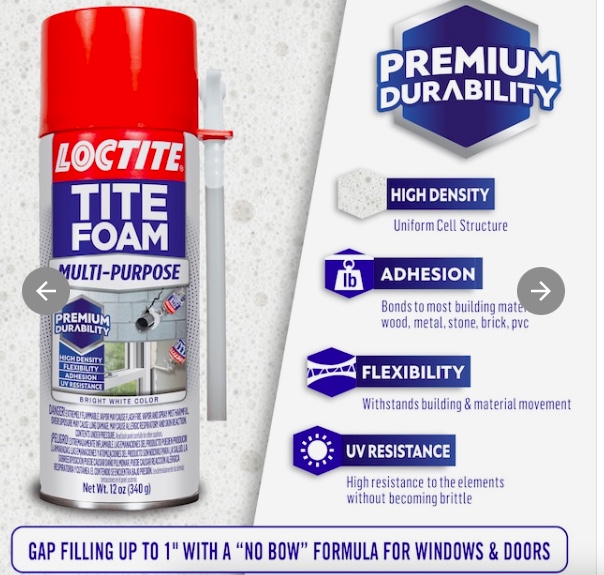
Expanding Foam, that will seal the water leak hole.

Apply on the outside and on the inside of the concrete wall

Use the product that says UV resistant.

foam

Source: Lowes.com

If for some reason you have to remove the pipe in the future, that can be done easily.

DIY75
  • 20,686
  • 3
  • 23
  • 47
0

The other answers here are seriously flawed in one way or another. You'll see why by reading this:

https://copper.org/applications/plumbing/techcorner/prevent_corrosion_cu_tube_buried.php

Sealing of sleeves can be accomplished several ways, although many practices which are thought to be satisfactory are actually very detrimental to the copper tube.

One such practice that should be avoided is the sealing of the space between the tube and sleeve with silicon caulk. Many silicon caulking materials outgas ammonia and/or methanol during their curing process. The outgassing of ammonia, within the sleeve, can lead to stress corrosion cracking of the copper tube, and eventual failure.

Another often employed practice that should be avoided is the sealing of the sleeve with hydraulic cement. Though no adverse reaction with the copper tube will occur, the fact that the tube is held very rigid at the location of the hydraulic cement may contribute to stress fracturing of the tube at that point. Stress fracturing is caused by overworking the tube at that point through motion from thermal expansion/contraction, movement of the backfill material by freezing and thawing, or settling of the soil or structure around the sleeve and tube by improper compaction of the backfill.

Two inexpensive and easily installed ways to properly seal sleeves, water-tight can be accomplished using Fernco TM elastomeric clamps (Figures 1 and 2 above) and electrician's duct seal (Figure 3). Both of these allow the tube to expand and contract and move within the sleeve and still maintain the water-tight seal.

It only takes one serious flaw in an approach to risk failure and water infiltration.

David J.
  • 103
  • 4