2

I'm looking to floor the loft of my house for some light storage (mostly decorations and clothes) and have a potential idea that would not only give a better finished result but also save some time and materials in the process.

Through research and discussions with friends with similar houses I am aware that I should use loft legs to raise the flooring I'm about to install above the insulation; as it works less efficiently when compressed.

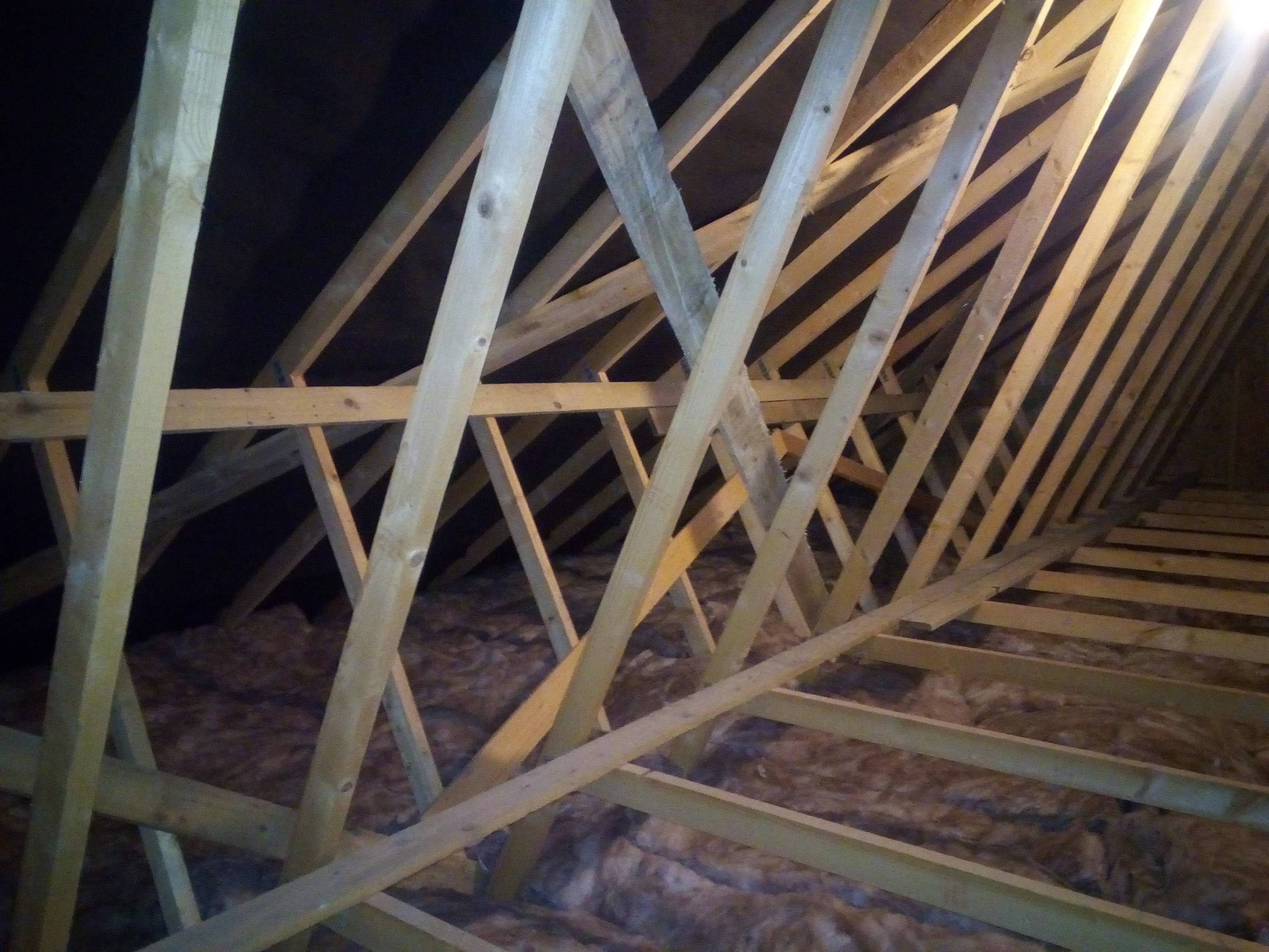
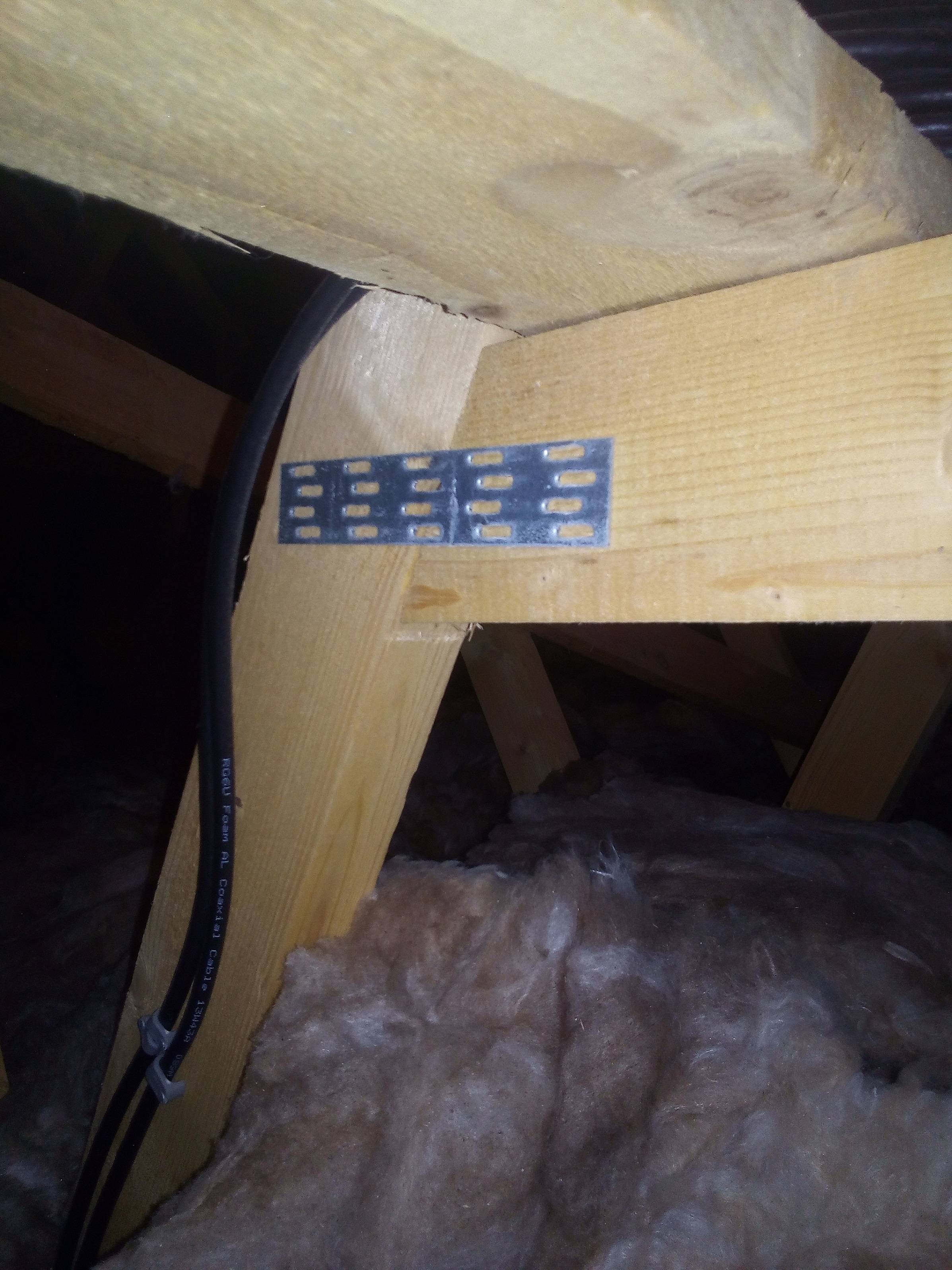
However, unlike the lofts I've managed to find so far, my rafter ties* appear to be uncharacteristically low, to the point that placing loft legs under them would provide little additional space and would actually make moving around the loft more difficult as there would be rafter ties to step over every couple of steps.

The sources I have found so far discuss fitting flooring, via loft legs or directly, to the bottom most support of the loft, my question is, would there be any additional concerns with installing the flooring onto the rafter ties instead?

*I believe this is a trussed roof but that these components are still called rafter ties, apologies if my terminology is off. Here are some pictures to hopefully better demonstrate my question and concerns. Edits are welcome and I can supply more information as needed (such as measurements, clarifications or further pictures).

The main frames of the roof, showing where I hope to install the flooring:
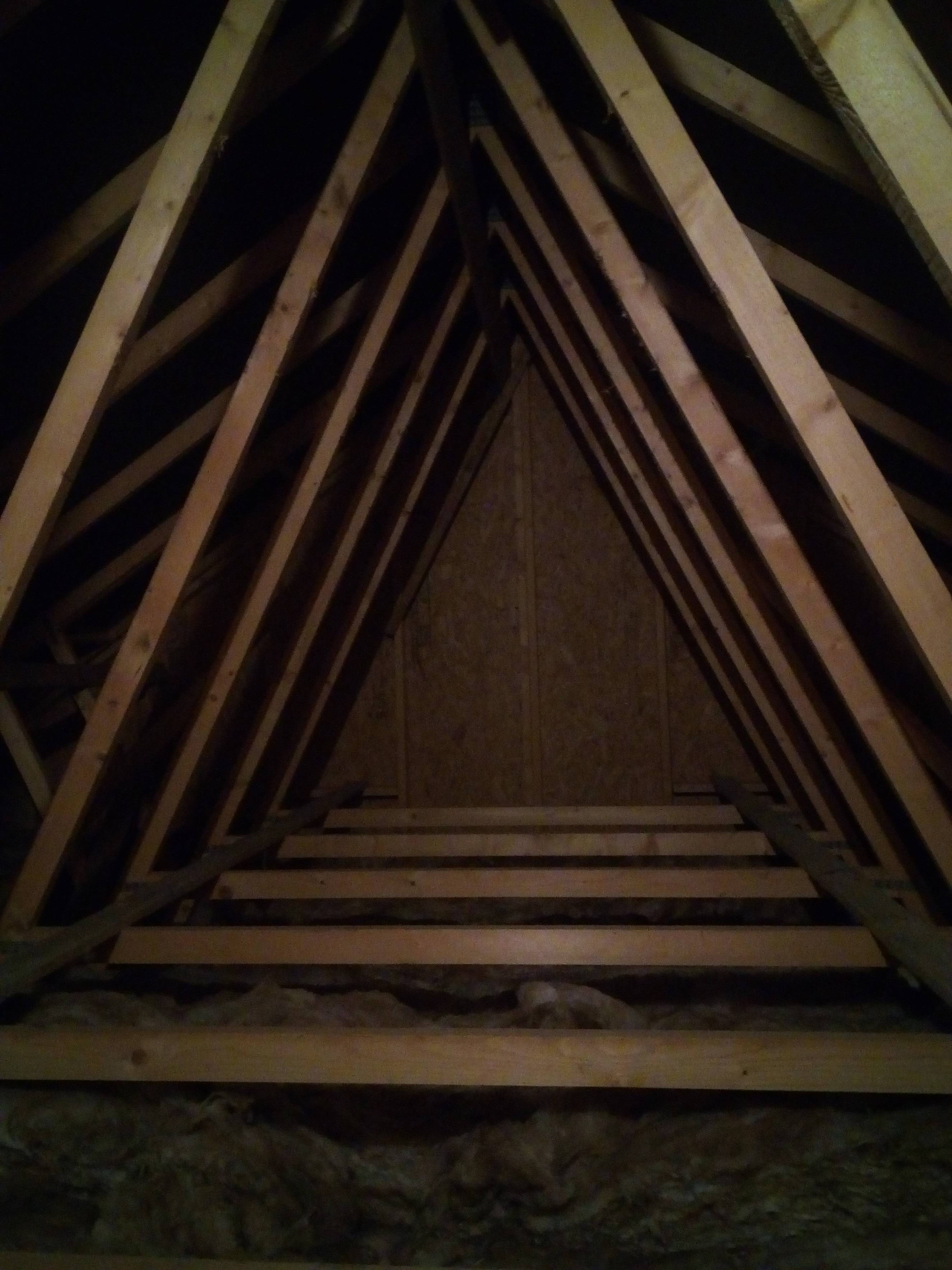
The exposed, bottom most support, where most sources discuss installing loft legs:
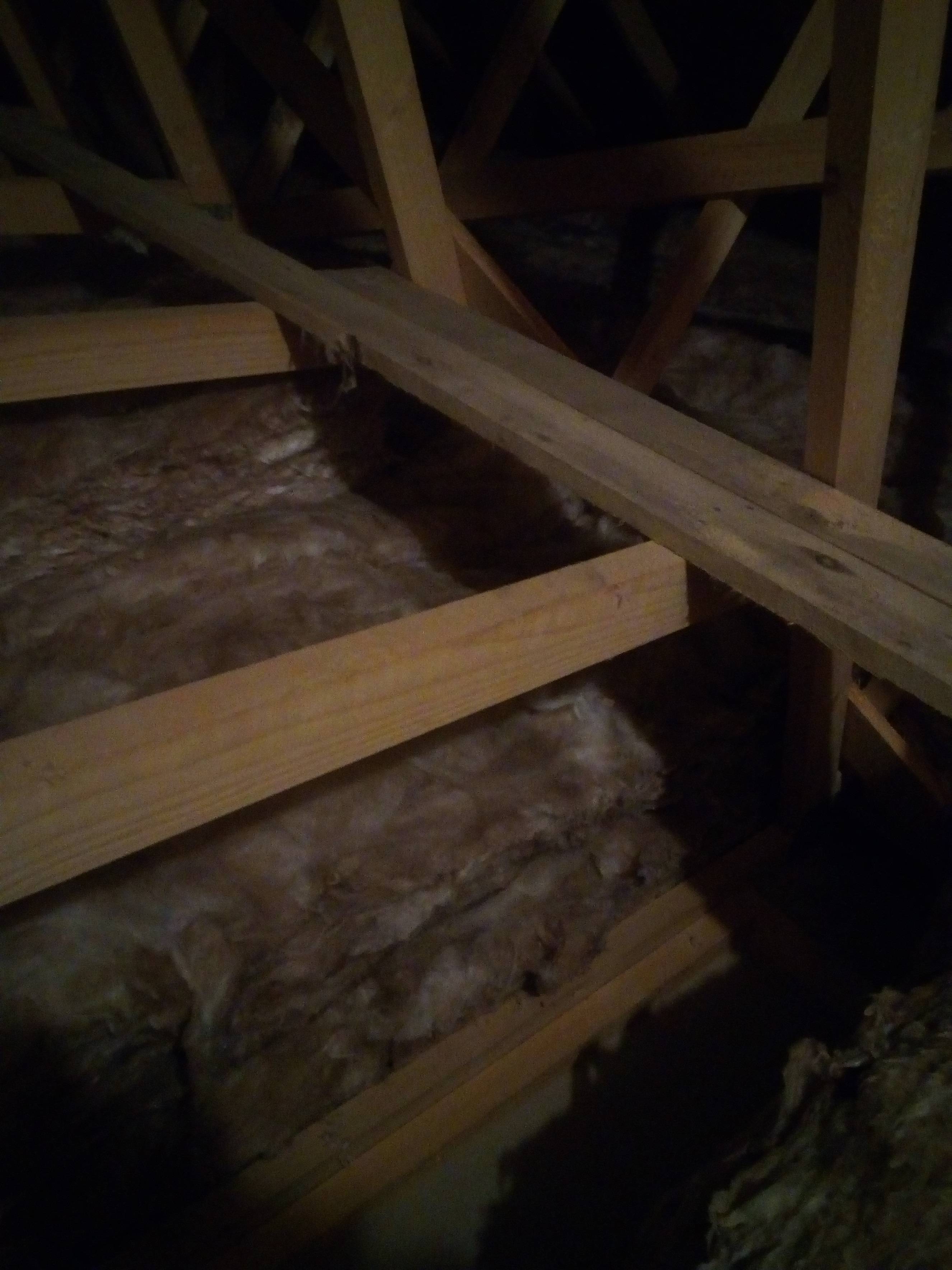
How the rafter ties are connected to the trusses:

Additional pics as requested in comments:

Short video, panning left to right and up and down:

https://youtu.be/P6TIX-2g18c

Inside the loft, looking left:

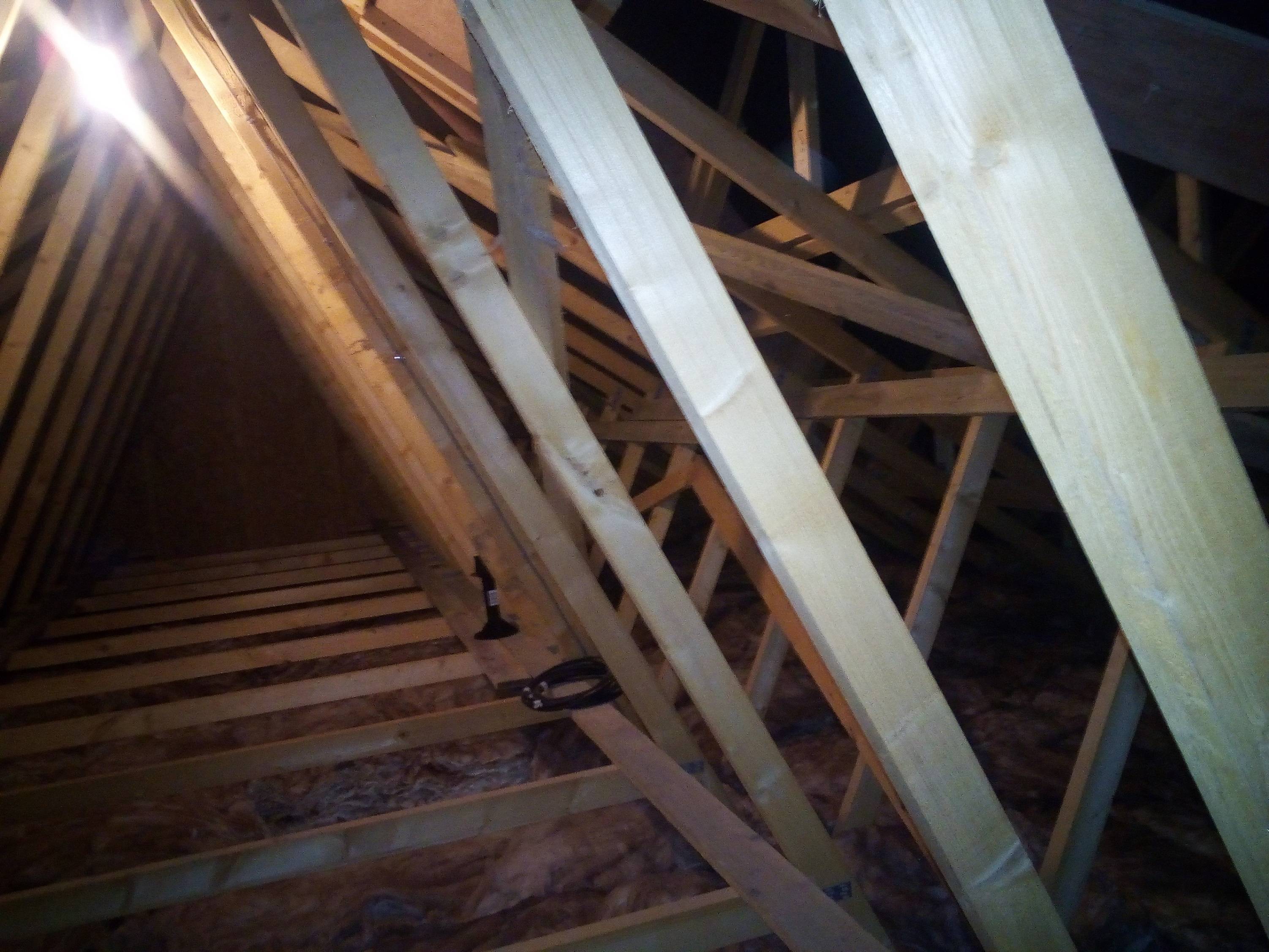
Inside the loft, looking straight on:
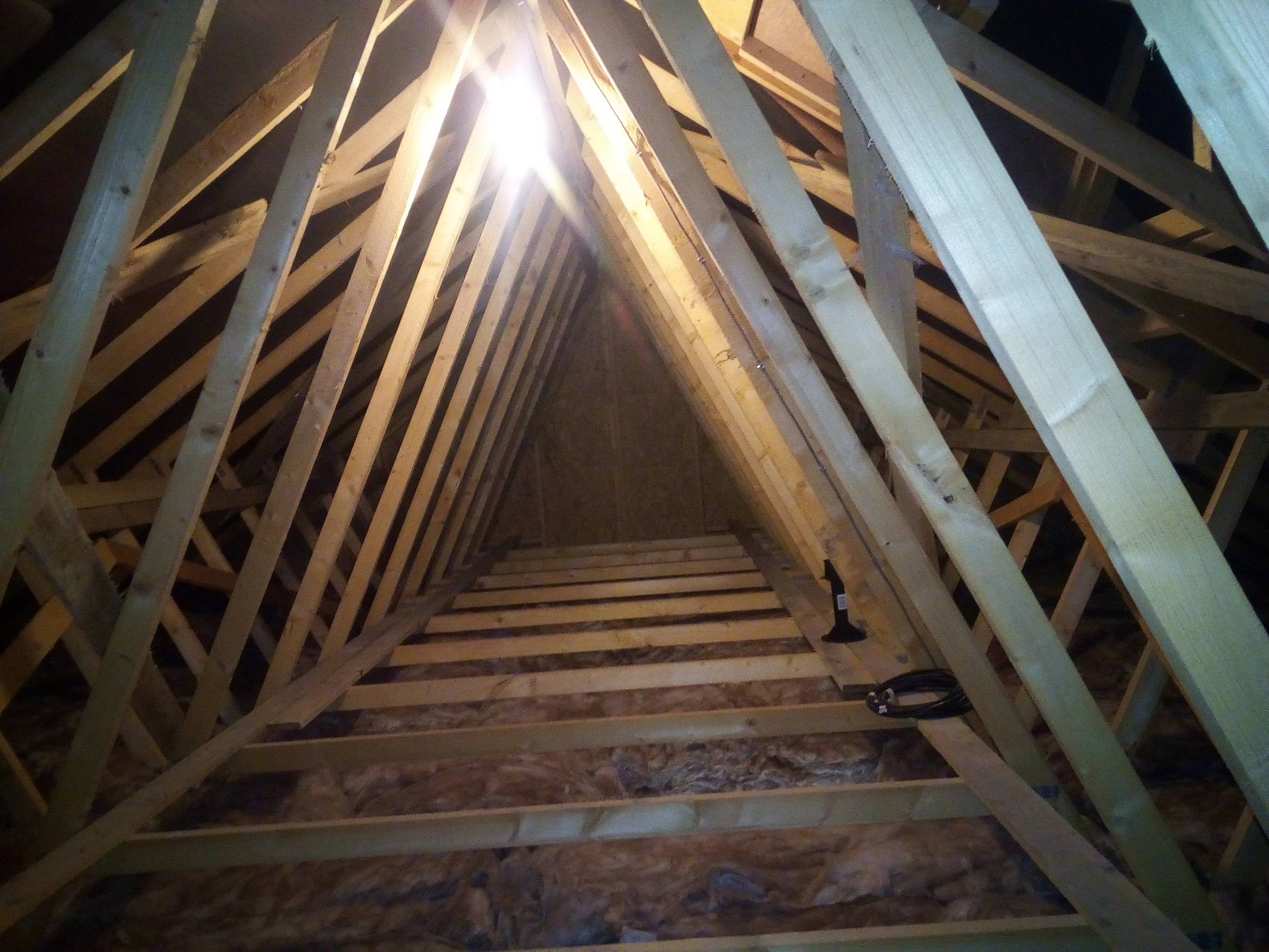
Inside the loft, looking right:
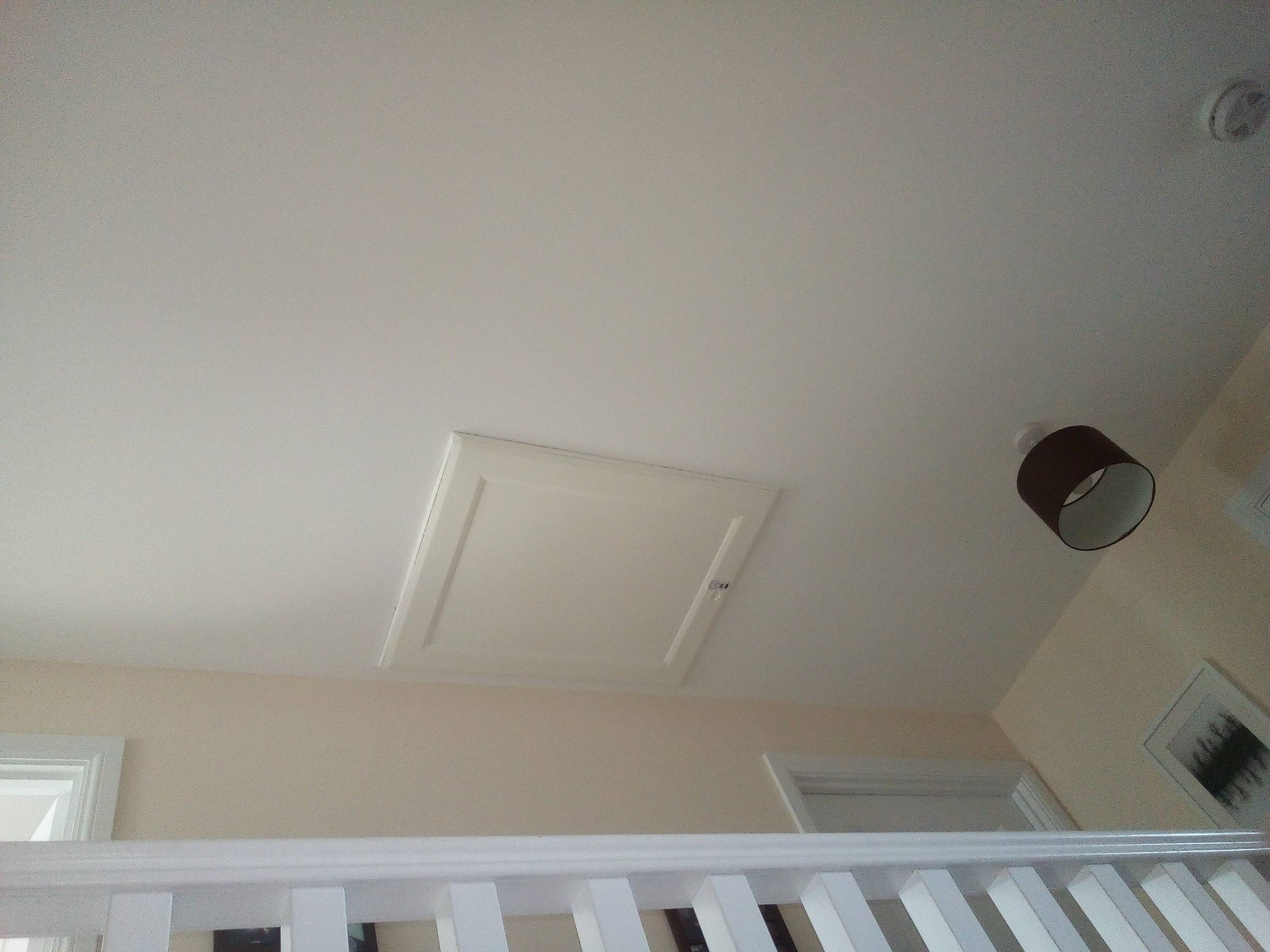
Loft access hatch from the hallway below:
3 Answers3

2

I'll be honest. Shortly after building our garage nearly 30 years ago, my wife and I maneuvered the largest sheets of OSB we could squeeze up onto the bottoms of the rafters and have slowly been accumulating crap up there. We're at the point now where there really isn't any room to add anything new. This hasn't been light stuff like Christmas decorations - we've got boxes of papers and other things that we no longer need (as evidenced by the fact that none of it has been touched in ages, but that's a personal issue to deal with...).

These rafters were not designed for storage/living space, as they're all diagonally braced like yours and the bottom chord is only 2x4. I haven't put a straight edge/string across them to look for any sagging, but there have been no obvious issues over the years.

While I've learned a lot in the ensuing 30 years and I wouldn't recommend that anyone do what I've done, I will post this as anecdotal evidence that storage in rafters not designed for storage will not necessarily lead to immediate collapse or calamity.

Disclaimers:

  • I am not recommending that you store stuff up there.
  • I cannot, in any way, guarantee that your insurance company won't fight a claim should something bad happen.
  • I am not guaranteeing in any way, shape, or form that you'll have the same experience that I've had.
  • We tend to be overly cautious here in making recommendations simply because people will tend to exaggerate the bad and cut back on the good simply because "doing it right" takes more effort, and "doing it wrong" is almost always easier in the short term.
FreeMan
  • 48,261
  • 26
  • 101
  • 206
1

That last photo shows those ceiling joists being mounted for roof stiffness (which is what they're intended for). Without significant additional strengthening however they would not be able to hold any significant loads. As these cross beams are effectively just hanging down from the rafters with those rafter ties, anything on there would solely rest on those metal pins.

Although you may plan to only store light materials there, I would be very careful mounting anything that even remotely suggests it could support both a person and additional loads. Keep in mind that you may not end up being the only person rummaging around up there, either family members (for example future adult offspring helping out to get something) or if you sell the house, future owners.

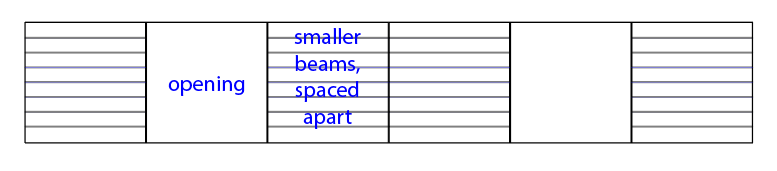
As they can still hold light items (for example packs of insulation materials, boxes with clothes and whatnot), I would alternatively opt for denser spaced, thin ceiling joists perpendicular to the roof, with regular openings (say two joists closed, one joist open, and the perpendicular joists spaced 30cm apart) that you can reach with a ladder. Example (top down):

enter image description here

These will be able to hold objects, boxes and packs while in no way suggesting that a person should crawl up there. This will also keep the structure completely visible so you can see any future wear and tear on connections and beams. I might additionally consider stiffening those connections a bit more, they will after all be carrying a higher load than they were designed for.

MiG
  • 2,395
  • 1
  • 10
  • 20
0

First be aware, what ever you store there it will be exposed to very high temperatures (from heat accumulation). Sometime up to 30 higher the outside. I had some Christmas candle there and they all melted.

Those horizontal rafters have weight limit. I installed floors in my attic, and I weigh 200 pounds, and all went well.

I used boards that will cover 3 rafter spaces, thus minimizing cutting. The cheapest one I found were fence boards.

One wrong step during installation and you will fall through the ceiling.

I would add some screws to those metal ties.

isherwood
  • 158,133
  • 9
  • 190
  • 463
DIY75
  • 20,686
  • 3
  • 23
  • 47