0

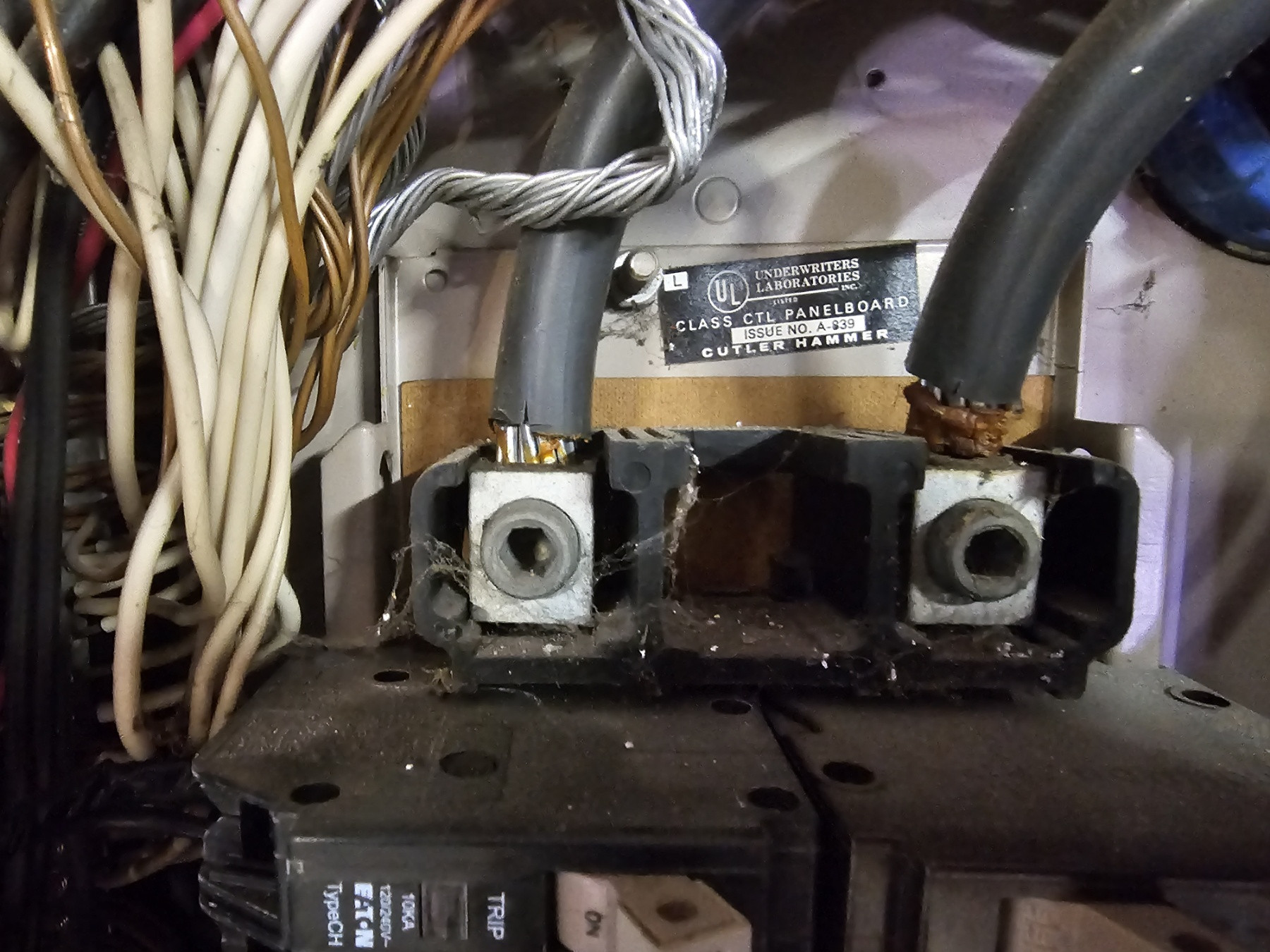
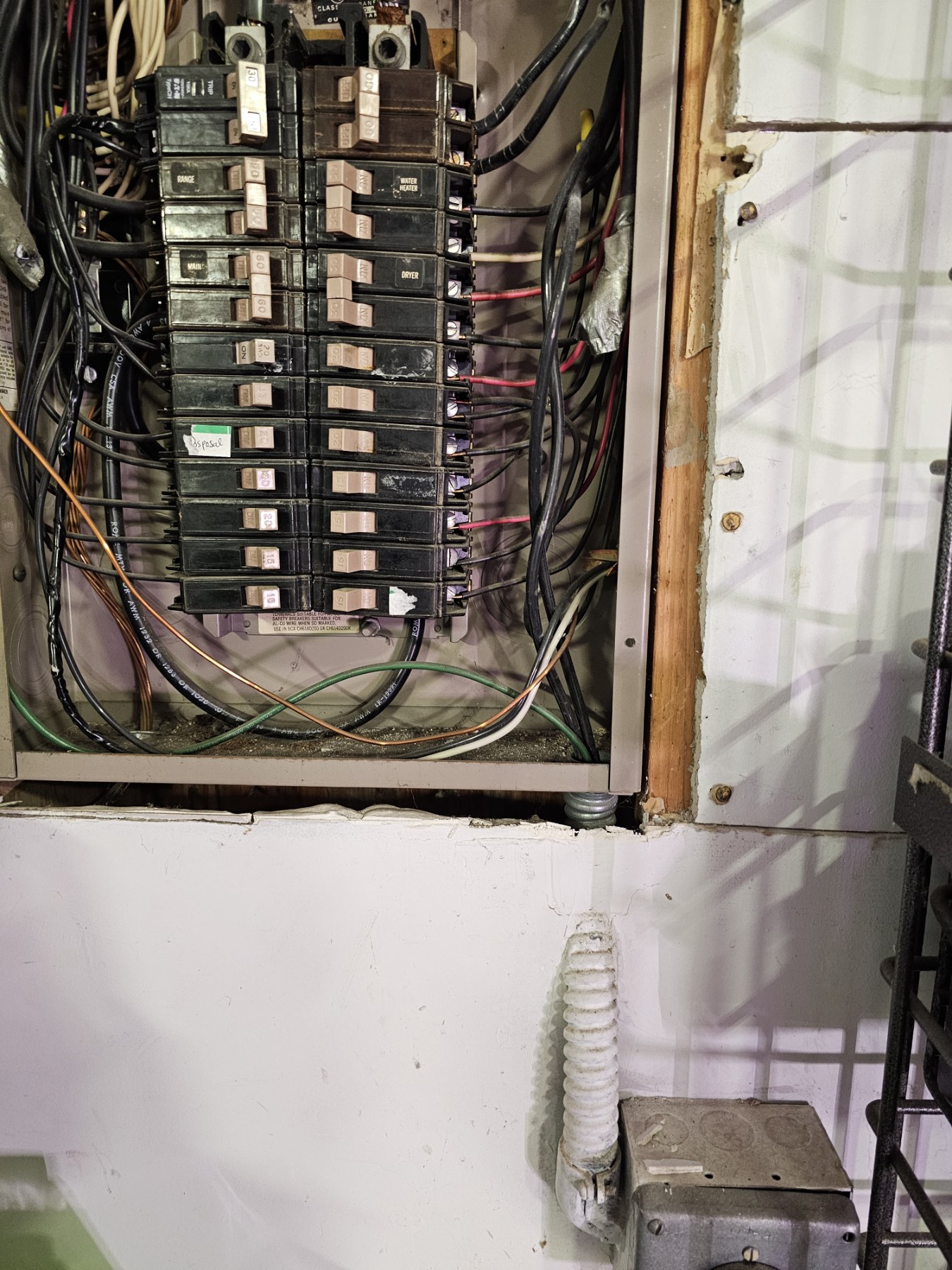
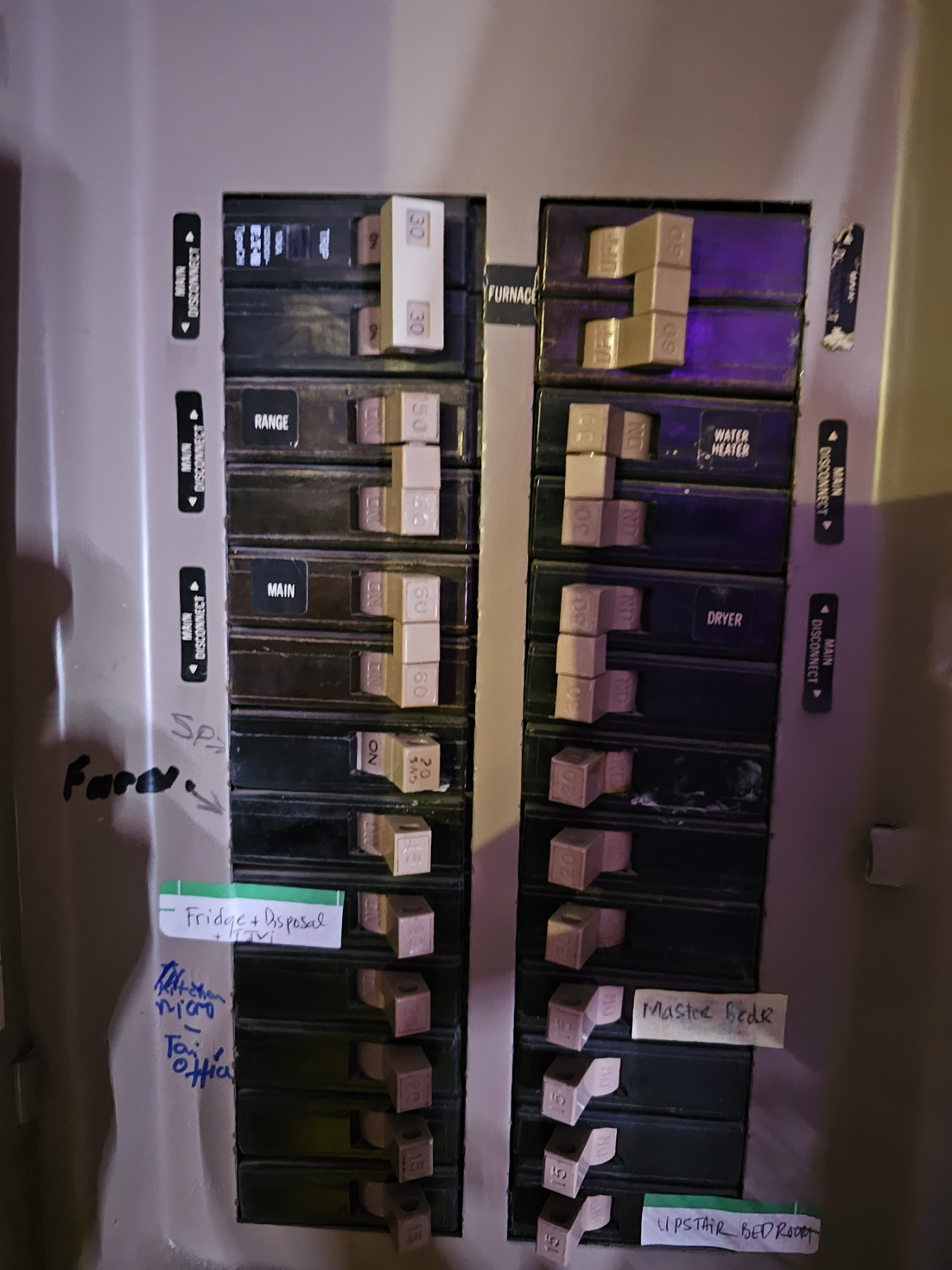
I am planning to use/replace the top right 60 amps (that has been setup for the welder in my garage that I never used) for the new EV charger. What I know so far:

  1. The EV max output is 48 amps (continuous) load for the Circuit breaker 60 amps.
  2. Direct wire (no receptacles)
  3. Plan to use 6/2 MC Cable, Aluminum Armored, stranded copper Conductor

My questions:

  1. How do I know the max load of my breaker box?
  2. Should I need to stop the AC from running while charging the Tesla? Assuming it would take couple of hours or less, so we can reduce the load on the breaker?
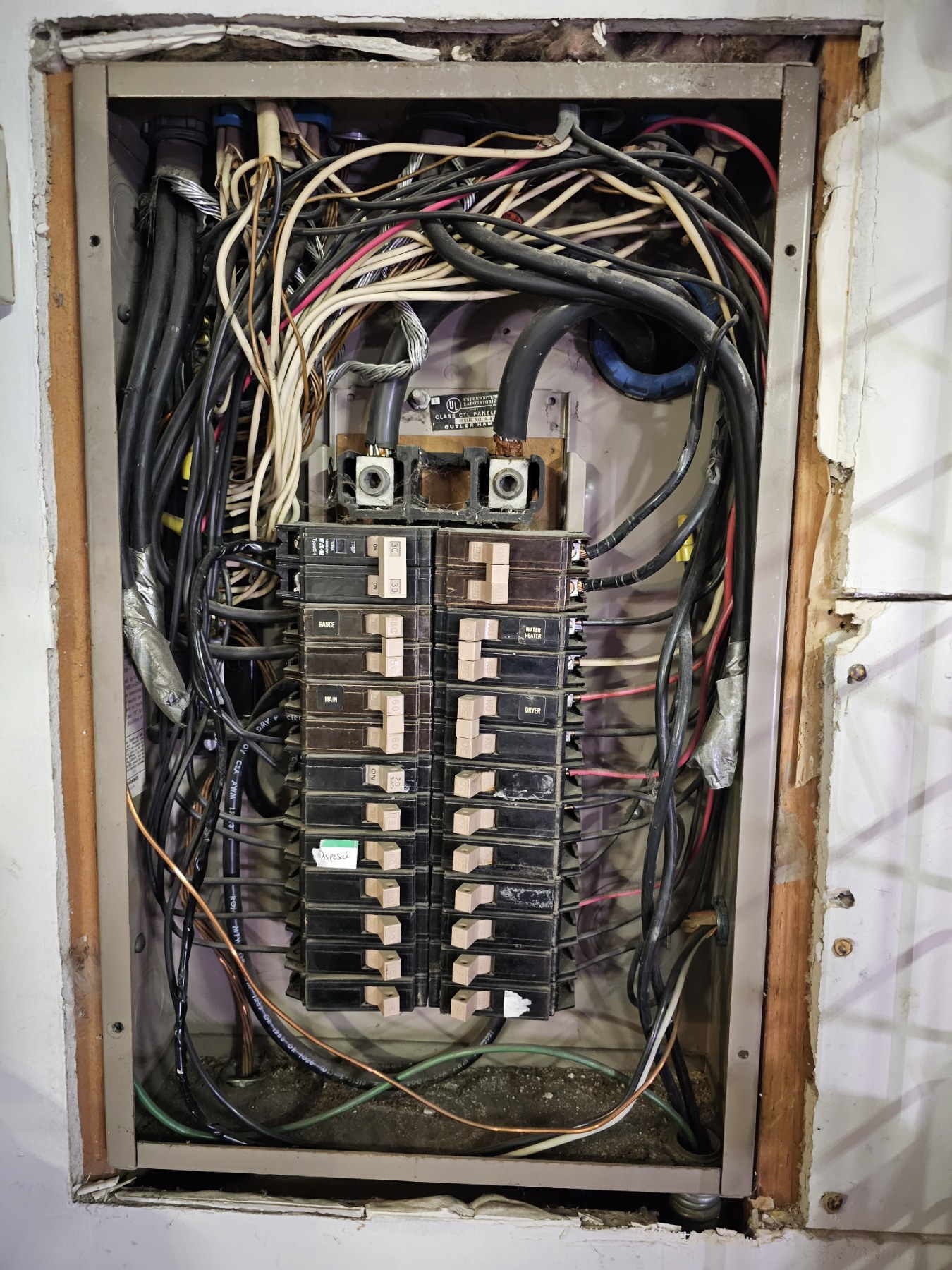
  3. It looks like it is Rule of Six panel (no main switch). I will turn off the top 6 240v breakers and make sure the panel has no power before replacing/feeding new wire to the top right 60amps breaker for the EV charger.
  4. Anything else I am missing here?

My goal is that I am trying to avoid replacing it with the new breaker but make sure it is still safe with my setup I am planning to do.

1976 Cutler-Hammer breaker box

enter image description here

enter image description here

enter image description here

nobody
  • 7,701
  • 3
  • 36
  • 47
T Tran
  • 1
  • 1

2 Answers2

1

A few key steps:

What is your utility service size? 100A? 200A?

If it is 100A then FULL STOP. You MUST do a Load Calculation before proceeding. You may well find that your load, even without the EVSE, is at or near the limit. If that's the case then it is time for a heavy-up.

The good news is that, unlike my situation a couple years ago, you already have a very good panel. So you replace the feed from meter to panel with a 200A feed (and utility will decide what else needs to be done), possibly put in a meter-main with disconnect (depends on local rules) and replace this old panel with a new CH 42 space panel. Transfer all your existing circuits - the old breakers are all compatible.

Load Calculation and Load Shedding

Assuming you have 200A service, or after upgrading to 200A, then you look at your Load Calculation. If it has 60A of headroom, great, you're all set. If it has at least 20A of headroom, configure your EVSE to use whatever you've got and you're all set.

If it has less than 20A of headroom (or possibly even a bit more and you want better performance) then you look at automatic load shedding. Basically a bunch of EVSE and other companies (depending on whether it is "EVSE monitors and lowers usage to what is available" vs. "entire system is monitored and different loads, including EVSE, turned on/off based on a priority schedule") now provide ways to monitor your electricity usage and adjust the EVSE charge rate based on available power. Middle of the night, HVAC and not much else running - you get 60A (48A actual). Busy evening - electric cooktop, oven, washer and dryer, dishwasher, etc. all running at the same time, EVSE drops to 20A. And so on. The possibilities are endless. Not inexpensive to do, but once you hit 200A the next level up (320A/400A) gets far more involved and so this type of system can make a lot of sense.

manassehkatz-Moving 2 Codidact
  • 139,495
  • 14
  • 149
  • 386
0

Not without an EVEMS, no.

This panel is the obsolete and dangerous old "Split-bus / Rule of Six" panel. The top 6 breakers are the main breaker, all six of them! They all must be turned off to de-energize the panel. All six should be marked "Main breakers". The bottom left, currently marked "Main" should be marked "Lighting main". It powers the "Lighting Area", or all the breakers in the section below it intended for small loads.

The original purpose of split-bus / Rule of Six is that breakers larger than 60A used to be prohibitively expensive. In their rush to electrify large appliances, the compromise was this Rule of Six design, where the sum of breakers can significantly exceed the service size. The promise was that there would always be a NEC Article 220 Load Calculation on the loads in the panel, and that Load Calculation would assure that overload is unlikely.

Of course the problem is people coming along and adding things without re-running the Load Calculation, and these additional loads overloading the panel.

So the right answer is to do a NEC Article 220 Load Calculation, such as this worksheet from Sacramento which accurately reflects NEC 220.82.

It would really help to adjust expectations, though. Here, Technology Connections has extremely good advice: you don't need anything near 60A to charge at home; that's only needed for travel.

So if you can downsize your charging circuit to something to live with, grats! You're running your EV circuit with cheap 12/2 or 10/2 Romex instead of costly #6 MC.

If you refuse to do this, then we must resort to the thing mentioned at the top - EVEMS. Since you want a 60A breaker it sounds like you're already on board with a hard-wired charge station; so now we just need to add the current sensor module and you're all set. Examples are the Wallbox Pulsar Plus with power meter (a hardwired cable data connection) , or the Emporia Load Management bundle (WiFi to the cloud for a data connection: no cloud, no charge!), or Tesla's fairly obscure offering using a Criteo power monitor (hardwired). Canadians have an Elmac unit, and Europeans have the impressive Myenergi Zappi (proprietary wireless; no WiFi needed).
Harper - Reinstate Monica
  • 313,471
  • 28
  • 298
  • 772