0

I need to do a couple of repairs on an antique sheet metal ceiling. In order to be able to nail the new ceiling tiles, I will need to apply plywood as substrate to nail into. Since the gap between ceiling joists and existing tiles is something like 1-5/8" and inserting joist extensions will be inevitable, that gives me a choice of the plywood thickness I will use. I can see pros and cons with both lighter (7/16") or heavier (3/4").
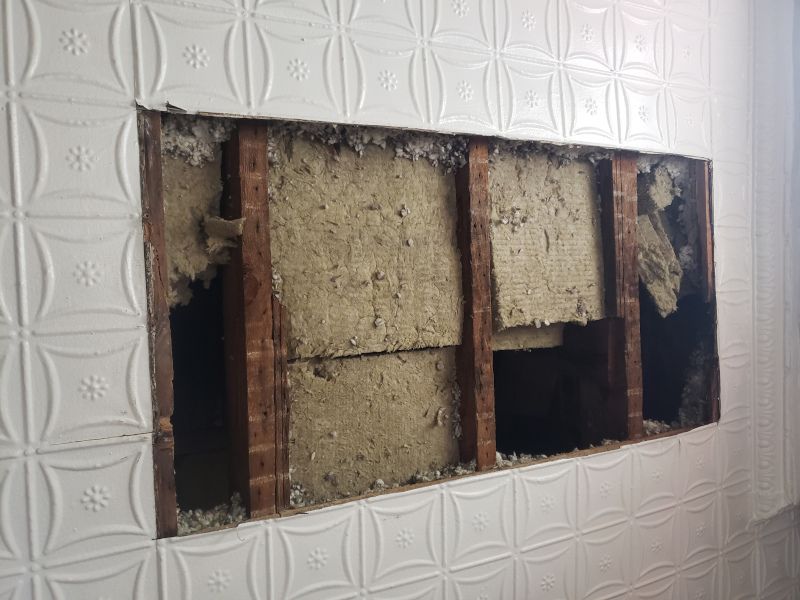
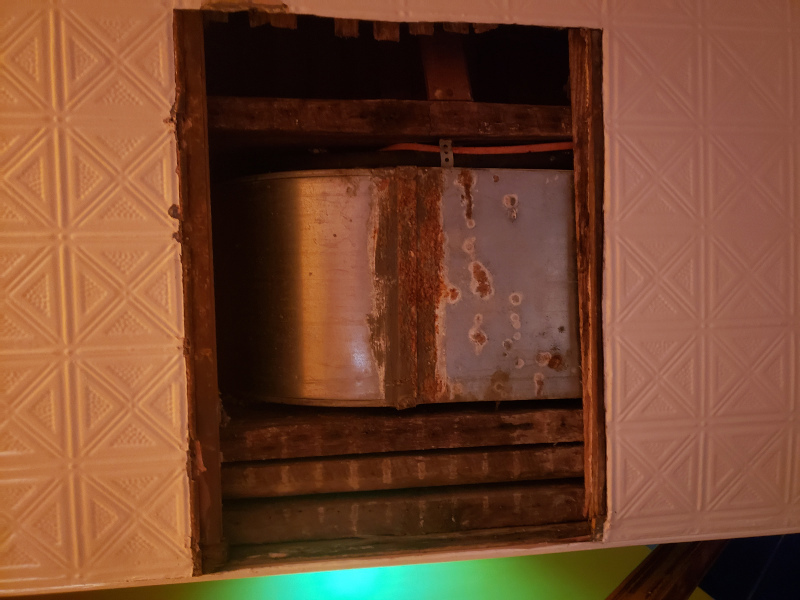
enter image description here enter image description here

My questions are

  1. Should I go with regular plywood or OSB?
  2. Should I go with lighter thickness or heavier?
amphibient
  • 7,702
  • 52
  • 152
  • 238

1 Answers1

1

I would opt out for the the thicker material. It should not matter if it is plywood or OSB, but perhaps I would go with OSB since it is cheaper, and presumably it is consistent in its density, since plywood may have hard knots hidden within the layers.

That being said, when nailing a material that can easily be dented, you will want to eliminate the vibration and the troubles that come with that. It needs to be so that when you hit the nail, it goes in without fail. A thin substrate will have some give to it an will lessen the blows the hammer gives, and that will allow the metal to vibrate with it and mar/dent the metal before the nail goes in the depth you want.

Jack
  • 38,117
  • 2
  • 30
  • 66