4

This is my setup, 1986 built town home. I just purchased a dryer and before connecting it, I decided to inspect the 4" tube going from the dryer, up behind the wall to the crawl space / attic and out of a hole cut from the roof.
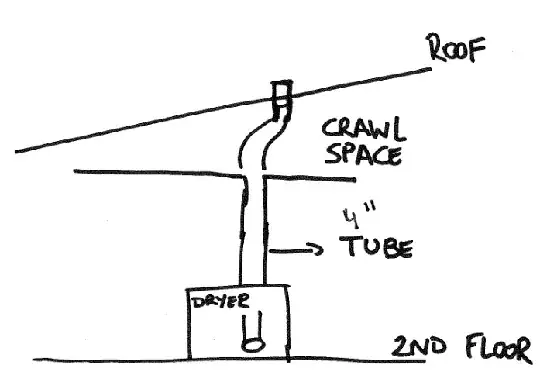
dryer setup

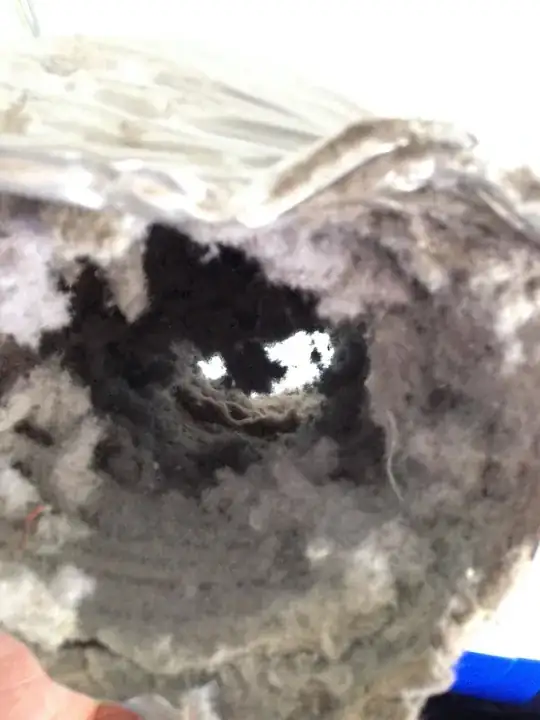
This is what I found:

enter image description here

That's just a 12" segment, I kept, it was like this for 12 feet. While I assume, total blockage is bad, I presume that so is even this amount of lint stuck to wall of the tube. (Is that right or did I remove it for nothing?)

Anyhow, they had a aluminum flex duct tube tube going through the wall, but I'm wondering if perhaps it would not be best to replace it with a rigid smooth (without the flex ducting) aluminum tube for the straight section that goes from the bottom the wall behind the dryer into the crawl space. Then at both ends, replace it with new, clean flex duct tubes.

I'm also thinking of adding a secondary lint filter so this doesn't happen again.

Any advice, or what to use is appreciated, I want the safest solution.

Matt
  • 1,301
  • 9
  • 34
  • 55

2 Answers2

5

If possible, you want everything rigid: the connection from the dryer to the wall, the duct in the wall, and the duct in the attic. Sometimes rigid for the connection between the dryer and the wall is difficult to get right with a rigid duct so if you have to go with flexible duct then use the smallest piece practical.

A secondary lint trap is probably not worth the effort. instead, invest you money in a dryer vent cleaning kit, which is a brush with a couple of screw-together flexible rods that you can chuck in to a drill. Clean your duct using this brush once a year.

longneck
  • 21,448
  • 4
  • 52
  • 80
0

Longneck is right on the rigid venting. This is a must going straight up like this. Also for the issues that you have had it is common sense to put a vent booster on the line. I think the rigid vent will certainly help but if you had that many problems then I would assume that gravity is getting the best of your situation.

If you just replace with rigid venting then you will basically have the same issues but it will fall further down (maybe easier to clean). I have installed the one in the picture a couple of times. I basically turn dryer on and see what kind of force the vent has on the outside. I would guess even after getting cleaned and changed to rigid yours would have very little.

enter image description here

DMoore
  • 50,637
  • 16
  • 93
  • 208