4

As a supplement to this question. I ordered gravel to gravel my driveway. My wife accepted the delivery. When I got home what they had dropped was over 50% clay and equal parts sand and small stones. I left a message saying that this isn't what I had ordered and am awaiting their response.

What product did I likely get? What is this material used for?

Myles
  • 256
  • 1
  • 3
  • 11

4 Answers4

11

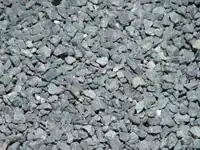
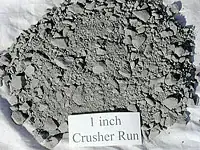
Sounds like you got "Crusher Run", when you wanted "Washed Stone". This site has a good description of some different types.
enter image description here
Crusher Run

enter image description here
Washed stone

It's used as a base for driveways and roads, but is typically compacted and covered by another material (asphalt for example).

You may have been thinking of something more like pea gravel, or similar. Something that consists of smallish roundish stones, that you could use as a top layer for a driveway. While the quarry was thinking you meant more of a base type gravel, that you would later add a finish layer on top of.

This is sometimes the problem with ordering stone without being familiar with the source, since "Gravel" is a subjective term. Making matters worse, places often try to guess what you need based on the description of the job you provide.

Tester101
  • 133,087
  • 80
  • 327
  • 617
1

When ordering "gravel" it is important to consider if it's washed or not. The crushed gravel can be compacted just fine. The clay will not compact as well since it won't lock together. If you're really concerned you can add some lye to your gravel as you compact it and that will strengthen it up. Honestly we get the crushed stone all the time for the roads we repair here in the Midwest so for a driveway it shouldn't be a problem. Size CA-6 is most commonly used. The rocks are about 1/2"-3/4" including the "fines" (the little crushed parts). Sand as a filler isn't bad but you may need some geotextile fabric between your sand and gravel so that the force of vehicles doesn't rut your driveway faster than it should. On the upside the sand will "wick" water away from your driveway base and that can add to the life of your drive. It will depend on the soil types next to your drive though. All this is based on covering the driveway with asphalt or concrete.

Dano0430
  • 508
  • 6
  • 12
1

Turns out that this is a local-ism for the Canadian prairies. Locally gravel means a mix of mostly clay, with some sand and stone. These are seperately gathered and mixed in specific proportions. Aparently most other places in N America would call this a low grade road gravel or base gravel.

I still feel like I orderred a coffee and got a mix of coffee, tea, and coke but my local network of people advised this is what should be expected. I guess it's a lesson in making sure you are clear as to what you specifically want.

Myles
  • 256
  • 1
  • 3
  • 11
0

I work in a gravel pit on the crusher. Yes in some orders for driveways and shoulders on roads clay and Sand is used in the mix. The last run we had we were having problems with the clay getting stuck when we were doing tests for quality. So we removed the clay and the sand was not setting up. So for a filler and binder we started using crusher fines and dust with 3/4-. After a good packing and rain it sets up better than concrete. And sheds the water if leveled right.