5

My household circuit has an effective voltage of about 220 volts most of the time (98% of the time). There are cases when the voltage is to high: 250,300,350 and burns most electronic devices. How can i fix this problem?

I was thinking of putting one electrical fuse of 220V before the voltage enters the house. In case of high voltage, I'd need only to replace the electrical fuse. Is this a good idea? If yes what kind of electrical fuse do I need?

Update!!! I must mention that this is the box with electrical switches,before the voltage enters the house, it passes through this box.The first switch in the left,goes off in case of short circuit. The first switch in the right controls all the switches, and the other switches controls each switch each room.

enter image description here

isherwood
  • 158,133
  • 9
  • 190
  • 463
Despre Femei
  • 151
  • 1
  • 1
  • 3

4 Answers4

2

Circuit breakers don't provide protection against over-voltage. They might in extreme circumstances where over-voltage causes an over-current situation, but that protection occurs too late, after the electrical appliance is smoking.

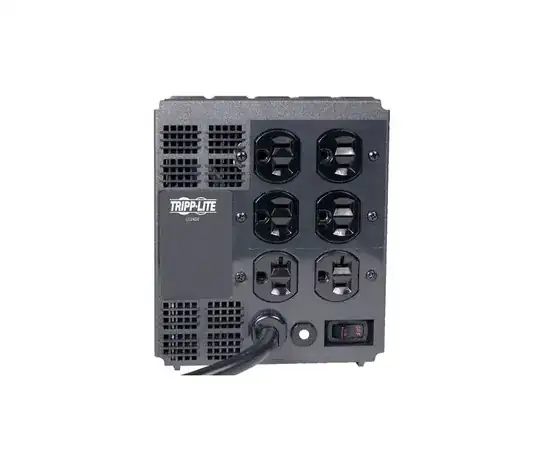
What you really need is a power conditioner, also known as a voltage conditioner. They are expensive even for small loads. A whole-house conditioner might run $15,000. But to target just a few appliances, there are some around $1,700. See this and this.

from www.grainger.com/product/TRIPP-LITE-Line-Conditioner-5JK11?s_pp=false&picUrl=//static.grainger.com/rp/s/is/image/Grainger/5JK11_AS01?$smthumb$

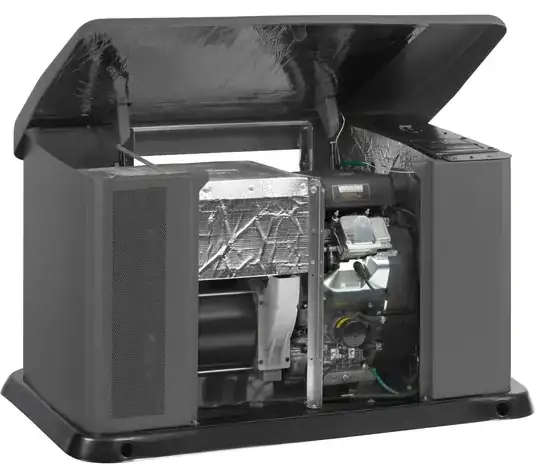
If this is not a temporary power situation, you might consider a whole house standby generator. The deluxe units switch to generator power not only when the voltage goes low, but also when it goes too high. enter image description here

wallyk
  • 12,399
  • 3
  • 24
  • 51
2

I was thinking of putting one electrical fuse of 220V before the voltage enters the house. In case of high voltage, I'd need only to replace the electrical fuse. Is this a good idea? If yes what kind of electrical fuse do I need?

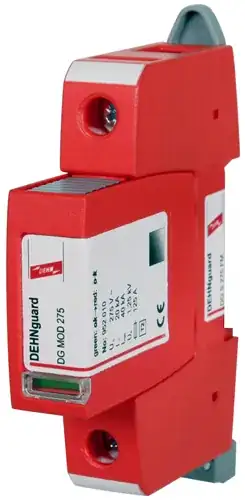
Surge Protection Device (SPD)

Some manufacturers of "consumer units" (main distribution panels in homes) can provide a "surge protection device" (SPD) that will fit their products. These will only deal with transient "voltage swells" - but that may be sufficient for your needs.

enter image description here

Our surge protection kit can prevent the spread of overvoltages in electrical installations and protect the equipment connected to it.


RedGrittyBrick
  • 24,700
  • 12
  • 50
  • 94
1

This is a common single phase circuit breaker panel used in 220VAC distribution systems. Your problem is probably shared by others in your area. Many solutions exist but not for low prices. If a voltage monitor was installed to cause a contactor of proper size (to handle the house panel's capacity). I use a good quality VM in my generator business for Hi/Lo voltage sensing to bring on a home standby generator system better than factory programming. Safest use would be just a contactor opening the feed to your panel from a VM sensing unit. Your house would go black but be off the grid supply while is bad.

Lu Green
  • 11
  • 2
0

You show what looks like a three-phase circuit breaker. Is that the actual circuit breaker feeding your residence? Odd.

Are you in a location where you can discuss your needs with a well-qualified electrical supply house? If so ask if they can supply a main circuit breaker compatible with your main service panel and having an auxiliary voltage activated trip coil or “dump” coil. Such a dump coil provides for tripping the main breaker off by means of an externally applied, low current, trip voltage. Such a breaker would allow you to shut off power to your residence within a few milliseconds of a damaging voltage arriving at your main panel.

See the discussion of this type of breaker under the heading, “Dual Coil with Remote Shutdown” in http://www.carlingtech.com/circuit-protection-circuit#4

Tripping the main breaker would require that a device be built or purchased that could detect the presence of an overvoltage condition and generate the required trip voltage. This would probably require a semiconductor circuit, since an “overvoltage relay” would possibly have too much delay to provide adequate protection from an instantaneously applied overvoltage. Such a detector delay would add to the inherent delay in tripping the main breaker, thus increasing the liklihood of damage to your appliances. You may also be well advised to provide a “whole house” varistor surge protector to clip the peak overvoltage that could pass into your home while waiting for your main breaker to trip.

A tricky part of this approach is providing adequate protection while minimizing annoying nuisance trips due to common transient voltage peaks coming in on the line or generated within your home by appliances. A survey of line quality would be very useful but is probably not feasible to obtain. I understand that some utilities here in the US will survey line voltage using automated instruments left in place for a day or two upon request.

Of course, this approach would leave you sitting in the dark after an overvoltage condition. However, that may be better than replacing a house full of appliances.

Let us know if this approach is appealing to you and whether you can obtain an appropriate breaker with auxiliary trip coil. If so, we can probably help design or locate an appropriate overvoltage sensing circuit. This approach would be far cheaper than any devices that would actually condition incoming excessive voltages and allow you to continue normal activities as if nothing out of the ordinary was happening.