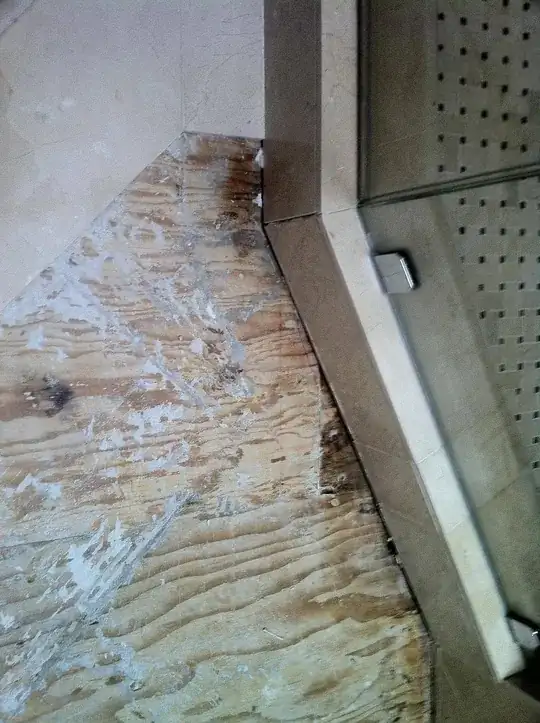
You CAN bond tile directly to a plywood subfloor and expect it to last. HOWEVER, the floor must be properly reinforced to minimize flexing; the joists, if they're 2x8 (newer code) and not 2x10 (older code), must be braced every four feet with cross-braces, which minimizes independent flexing of each joist and the subfloor above. Then, in either case the subfloor should probably be about an inch thick (at least 3/4"), and if that's accomplished with more than one layer of plywood/OSB, the subfloor should be glued and screwed together such that they're as close to one piece of material as possible. If you have the vertical space for a floating underlayment like Ditra, that will further reduce grout and tile cracking by allowing the two dissimilar materials (wood and tile) to swell and shrink at their own differing rates with temperature and humidity.
I would not "glue" stone or ceramic tiles in any case; the tiles will likely not be properly supported under their entire area and WILL crack and lift. Use thinset, and since this is a bathroom I would use a waterproof membrane laid down over a first layer of thinset to protect the subfloor, as neither thinset nor grout are waterproof. A waterproof underlayment is flat-out required on the floor and up the walls in shower stalls and anywhere else you expect to have water sprayed or standing on a regular basis; the water will wick into the thinset by the gallon, and eventually contact the drywall, where it will eventually degrade and mold even water-resistant "green board".