6

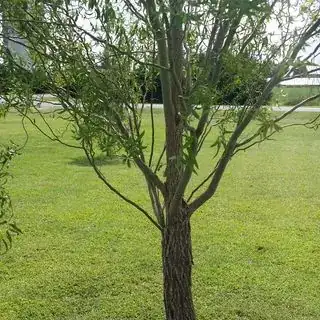
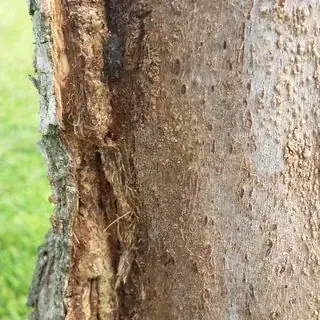
I have a corkscrew willow, and the bark appears to be falling off around the base of its trunk. It seems as if something could be causing it, but I'm not sure as I haven't see anything obvious.

This is our favorite tree, and I want to make sure it isn't dying, and if something IS wrong, I need to know what can be done to help it.

  • Tree is about four years old. Can't remember exactly
  • Leaves and everything else looks fine (additional pictures provided)
  • We have two riders (Craftsman and a Toro Zero turn).
  • We have ~4 acres of mow-able lawn (family property, multiple lots)
  • To my knowledge, this is the only "Corkscrew" willow, although we have some other willows
  • To my knowledge, this is the only tree with this type of damage - I'll be weed eating this weekend and I'll check elsewhere
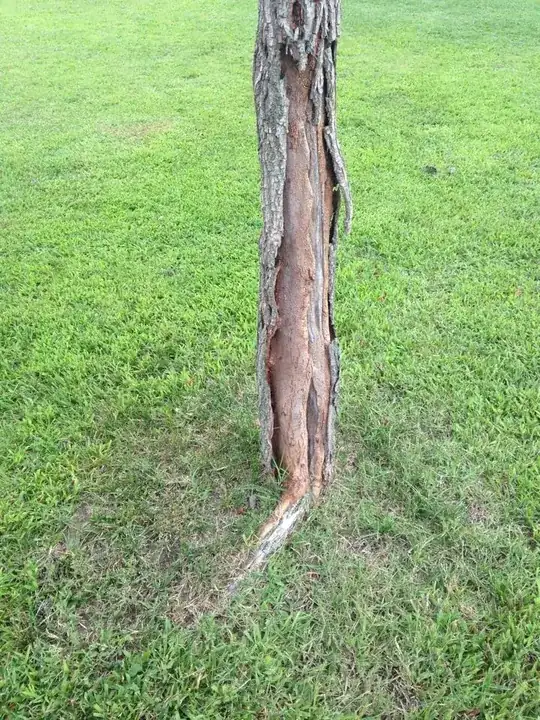
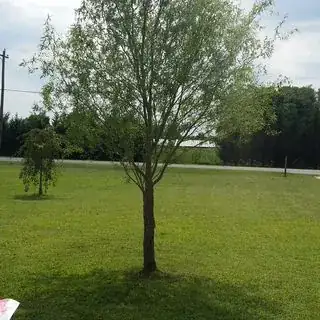
Tree with damage Full Tree Closer to tree Up close

WernerCD
  • 161
  • 1
  • 5

3 Answers3

6

I agree with @kevinsky that it looks like mechanical damage. Other causes might be:

  • sun scald - I've had willow trees do this and they looked similar to yours, but yours must have been there the year before, so if it is this, it must have started during extreme cold last winter (when it happens most easily). It can happen to one tree, and not others, for some reason.

  • There are some borers that kill off areas of bark.

  • fungal diseases - but they usually leave a mycelium layer under the bark.

I see that there is a narrower, older strip down the tree, showing where the bark died during the previous season, and it's surrounded by this years damage. Both damages are on the same side, so winter sun scald might be the issue. You can wrap the tree in winter, with a light-blocking, but breathable material like burlap, to shade the bark.

Whatever the case, this is a willow, so it's not likely to die. It will probably heal over in time, and the center will probably get heart rot (common in willows). If it does need to be cut down, it will surely regrow from the stump. Do not treat the area with protective paint, or tar. They will do more harm than good, trapping in moisture and possibly pathogens.

J. Musser
  • 52,241
  • 23
  • 122
  • 333
5

This is severe long term damage typical of the trunk being banged with something hard. For example enthusiastic work with a lawn mower or even rough handling when it was planted.

I considered some of the fungal diseases that willows are subject to like Inonotus heart rot but the damage is not consistent with the picture.

Willows are tough and grow fast. Their 'lifestyle' is to outgrow infections and damage. There is no need to consider bridge grafting as the willow will recover if you give it a helping hand with these simple steps:

  • roll back the grass in a three foot (1 Meter) diameter around the trunk. Apply one to three inches of compost or mulch. Reapply yearly to keep the layer one to three inches thick. If weeds become a problem apply a commercial grade landscape fabric and top with compost. This will reduce competition from the grass and reduce the chance of further damage from lawn mowing equipment.
  • consider doing some regrading to direct water from down spouts or run off towards the tree
kevinskio
  • 62,221
  • 9
  • 80
  • 167
2

I agree with these guys...get a circle around all of your trees that is without grass. Mulch with decomposed organic mulch or a thin layer of (arghh)bark. You are hitting the trunks with your mowers. If you are using weedwackers/linetrimmers make sure you do not touch the trunks! DO NOT USE FABRIC, JUST MULCH!!

I'd pull off the loose bark so that the rest of the trunk can dry. Moisture allows bacteria and insects to gorge. Make those circles as big as their drip line (the outside diameter of the foliage cap). Easy to maintain, never ever use fabric unless it is under gravel. Really screws up the natural processes and if you've ever gotten fabric caught in your blades, you'd remember!

stormy
  • 40,664
  • 4
  • 33
  • 76