10

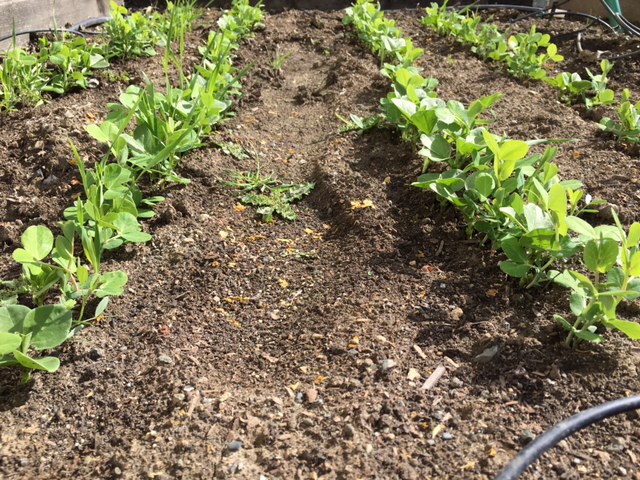
I put some fava beans in my vegetable raised bed during the winter months to add nutrients to the soil. The seeds have sprouted and I have some healthy plants growing. Question I have is what next? As I understand it, the roots will provide nitrogen to the soil so I can remove the leaves and leave the roots in place but not sure what is the best time to do that. Also, what do I do with the leaves? Is there any use for the leaves?

enter image description here

JStorage
  • 8,034
  • 6
  • 37
  • 79

3 Answers3

9

An important thing that many people miss is that if a cover crop produces fruit and seed (beans in your case) it is no longer a cover crop or green manure, but a crop, which depletes the soil rather than rebuilding it. That is, all the nitrogen a legume has put into the soil during the growth stage, is consumed by the plant during the fruiting stage. So if you want a cover/green manure crop, cut it (at ground level) as soon as it flowers. The tops can either be taken to use in building compost, in which case you probably want to add some previously finished compost to the bed to replace what you have just taken away, or it can be mulched in place (spread the green material evenly over the bed and put some straw over it. The latter method requires more time (maybe six weeks) before planting the next crop, so use the take and compost if you need to replant quicker than that. We regard green manure as the first step in the rotation. Then comes heavy-feeding fruit/seed crops (referring to the part you eat), followed by flower or leaf crops, and finally, root crops.

Richard Grevers
  • 236
  • 1
  • 3
8

Normally with cover crops you want them to grow as long as possible, where possible is influenced by:

  • When you plan to plant the actual crop (including some time for breakdown of the cover crop residues.)
  • Is the cover crop about to set seed and become a weed through self-seeding?

The tops/leaves are also valuable material - you can either incorporate them into the soil directly (sheet-composting in place), or cut and place in your compost pile.

Typically about 3 weeks from the time you intend to plant the next crop is a common recommendation for when to cut (or cut and till in) the cover crop, but that can vary. There are also no-till approaches where you either cut and leave or "crimp and roll" the cover crop, and plant through the residue, rather than trying to till it in.

If your schedule allows and you eat fava beans, you could also let them go all the way to harvest and harvest the beans, then cut the tops, but at that point we'd call it a "rotation" rather than a "cover crop" - semantics due to "growing a crop that you harvest" (even if it also helps the soil) .vs. growing a crop just for benefitting the soil.
Ecnerwal
  • 27,360
  • 26
  • 59
7

Usually, you would wait until the plants are in full flower, and have no ripe seeds, then cut/mow the tops down and turn them under. This will add the most nitrogen to the soil (the green tops are very high in Nitrogen), and the soil microorganism population will jump, increasing nutrient availability. In a raised bed, if you don't want to turn the tops under, you can cut them for compost, and plant crops after the roots have died.

Just be sure the tops are well decomposed, because they can have allelopathic effects on germinating seeds.

J. Musser
  • 52,241
  • 23
  • 122
  • 333