8

Update 6/4/ 2017: I am so happy that the ID "Eryngium prostratum – Creeping Eryngo" was found by Lorel C., and am awarding her the bounty. I also wish that that people could please vote for Christy B.'s answer. She was very close. This plant actually turned out to be in the Eryngium genus, after all! Thank you all so much for your time and research. I appreciate ALL of the answers. Even answers that were off base helped to rule things out, as I added more info and pictures. I don't know why people "downvoted" two answers on my post. That discourages people from trying to help in the future! Please stop doing that. Thanks again, all!

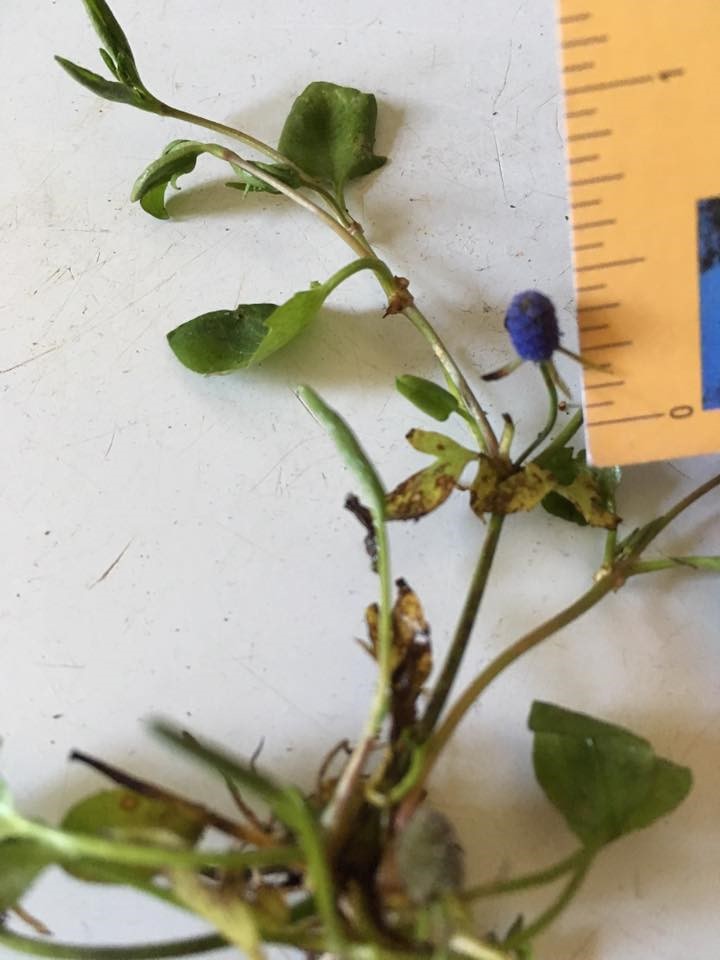
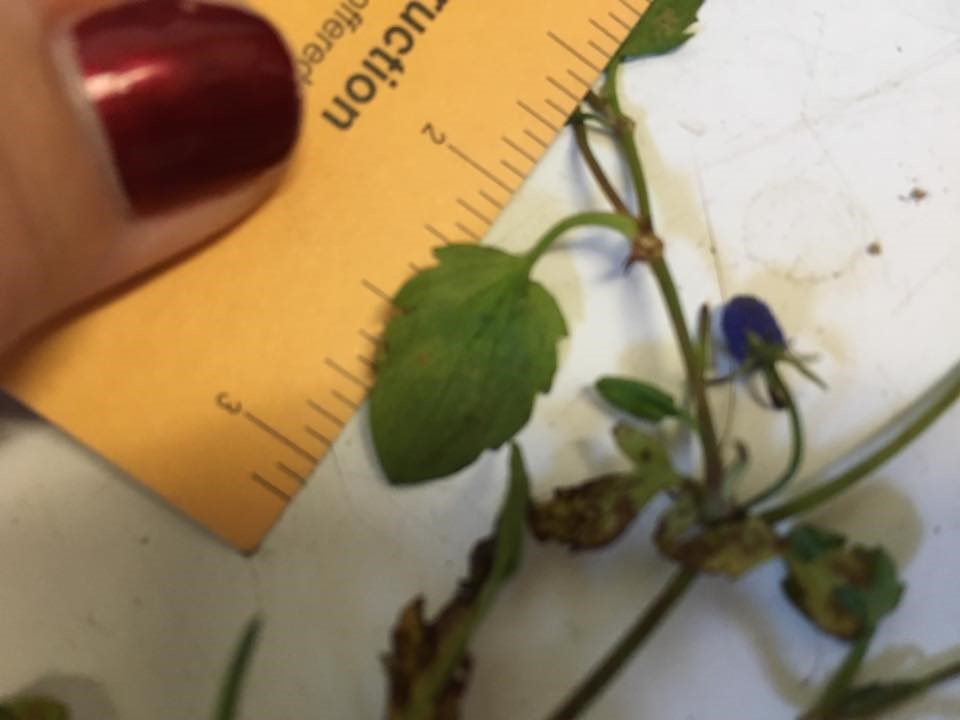
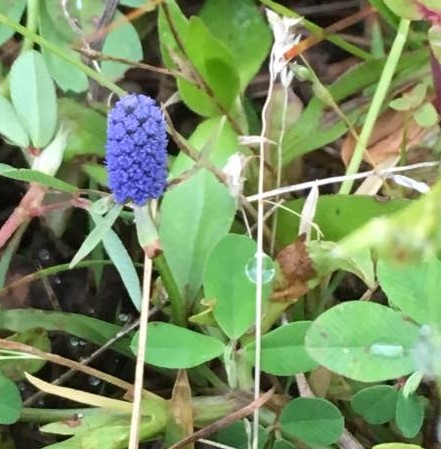
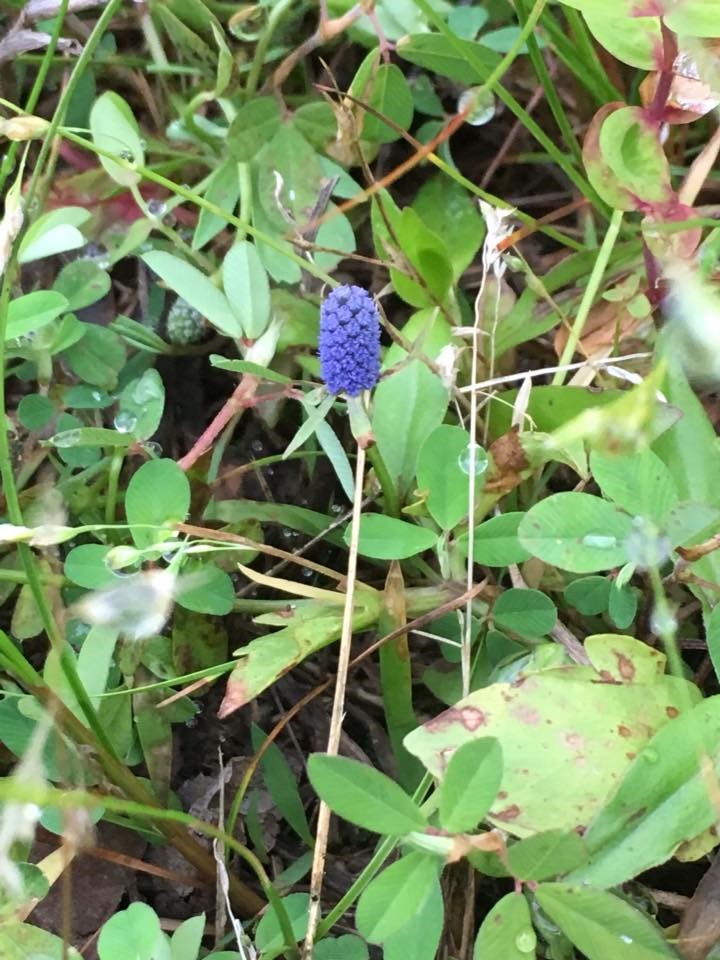
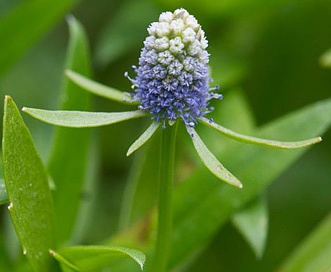
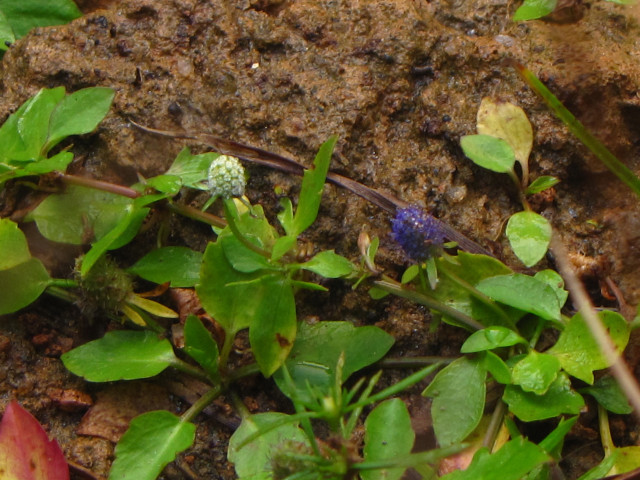
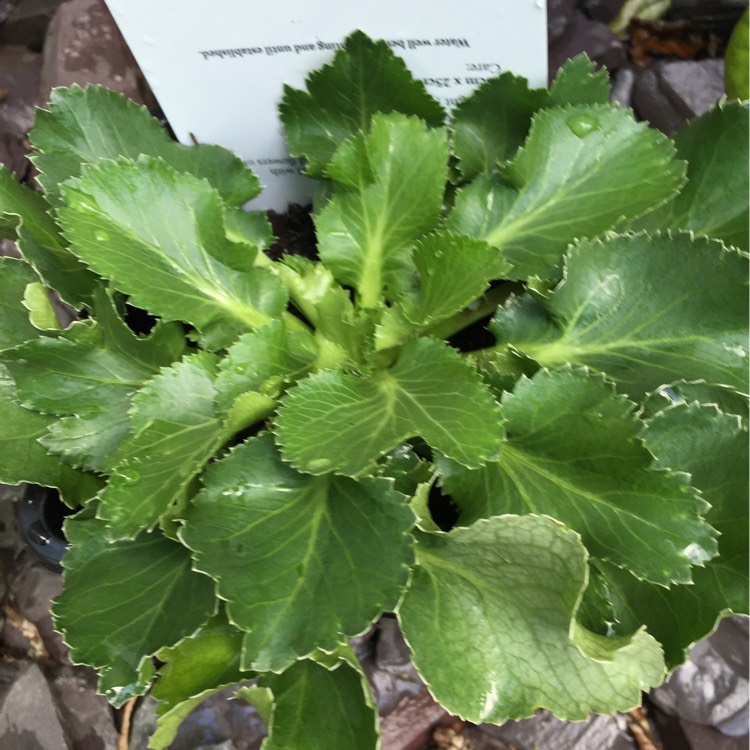
You can see my original post below with the updates, and the four added pictures above the 5th and 6th pics that I had initially posted without size reference (which caused confusion):

"This tiny blue/purple flower is growing in my friend's meadow in the Richmond area of Virginia in the eastern USA. She says it has roots (not corms or bulbs)."

UPDATE: I added more pics below. The leaves that go with the flower are not the three-leaved ones, as she had told me before. I apologize for any confusion this has caused. It definitely has roots (she pulled one up). She said that the leaves were hidden beneath the other leaves. It seems to be low-creeping in habit, and is pretty widespread in this meadow. She also informed me that it mostly grows in the moister areas of the meadow that do not drain as quickly as the rest because they are lower lying. It's growing in full sun, and not near the tree line.

(Photos by Sharon McGeein)

Neither answer below is correct. But, I "liked" them for trying, anyway. Thank you.

Update: Unfortunately, I do not think that the third offered answer is along the right lines, either. (I so wish that it was!) I can't find anything in the Sanguisorba genus (let alone the Rosaceae family) that has similar stems or leaves, at all.

At this point, I think that finding the correct ID may need to be based on the leaves and stems, rather than the miniscule flowers. I don't think that you will find other pictures of these flowers out there on the internet. (I haven't found any after extensive searching.) I doubt that it is a rare plant. It's just that the flowers are so tiny (less than 1/4 inch big) that most people probably would not notice them, or take pictures.
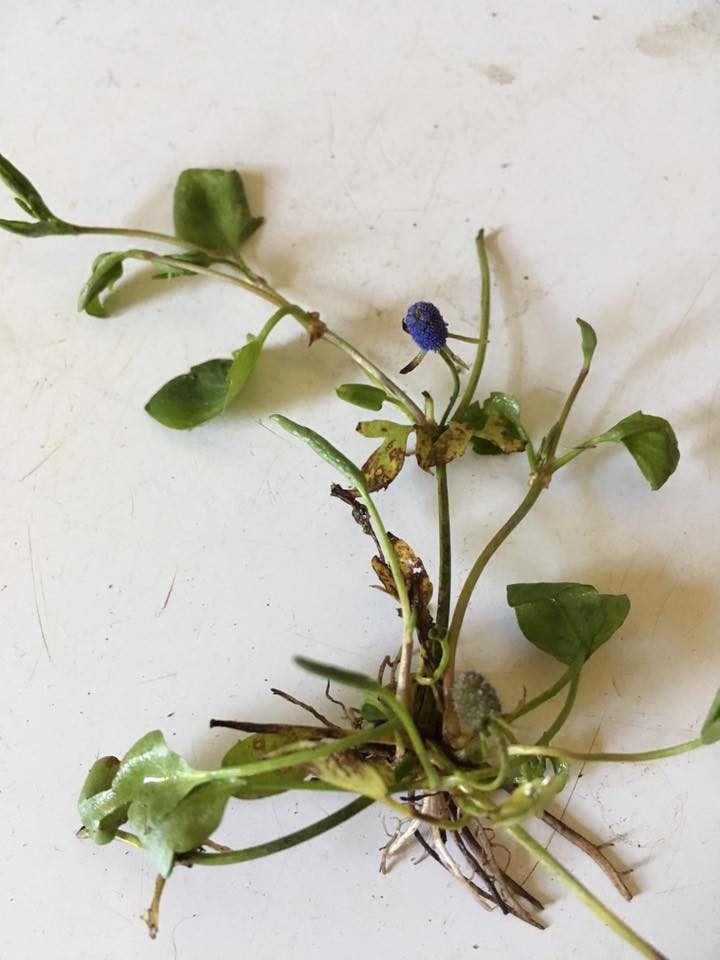
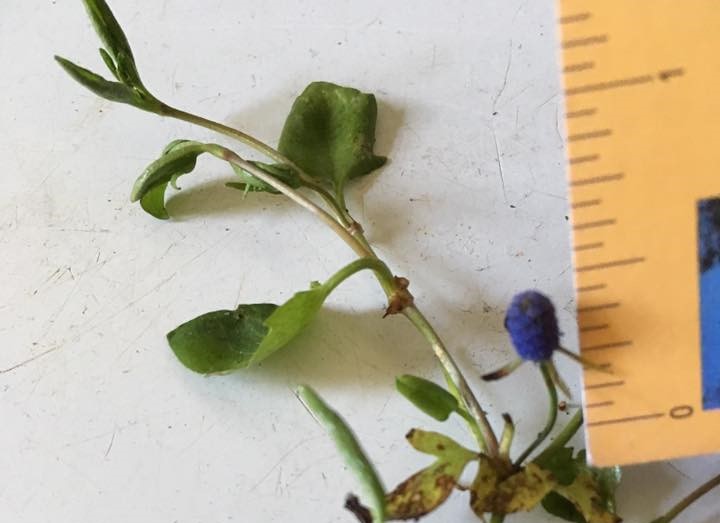
blue flower- Photo by Sharon McGeein blue flower- Photo by Sharon McGeein blue flower- Photo by Saron McGeein blue flower- Photo by Sharon McGeein blue flower- Photo by Sharon McGeeinblue flower- Photo by Sharon McGeein

Diane
  • 1,121
  • 8
  • 19

5 Answers5

9

Even though I am no type of botanist, I can't resist a good puzzle. So I decided to look into http://www.wildflowersearch.com and came up with "creeping eryngo" or Eryngium prostratum

Eryngium prostratum Note those wild looking sepals.

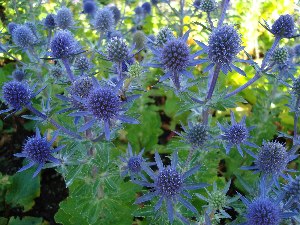
Now I do see that Christy B. has already proposed a sea holly, and others thought it couldn't be Eryngium at all because of the spikiness of most of those plants. However reading descriptions of E. prostratum, I feel Christy B. is on the right track. But this Eryngium looks like a softer, gentler species than the rest of them.

I confess I have never seen this plant at all but I found some more pictures of it on internet for example: https://bwwellsassociation.wordpress.com/2012/10/18/fall-wildflowers-at-rockcliff-farm/

E.prostratum at Rockcliff Farm

See the fleshy leaves approx. the correct shape? It looks like the little flowers start out white, & turn purple later. The folks at Rockcliff Farm describe it like this on their website: "Along the water’s edge were small colonies of one of the toughest plants at Falls Lake – Eryngium prostratum – Creeping Eryngo. It grows at the water’s edge, where it is battered by the waves generated by passing boats, dried and roasted by the sun when the water level drops, and submerged for days or weeks when the water level is too high. It responds by blooming 7 months of the year, from July to January. This plant is easy to miss – blooms are very small, about 1/4 in long, and the leaves are the size of a penny."

....So that's my guess. Eryngium prostratum.

Lorel C.
  • 3,669
  • 1
  • 15
  • 20
6

It looks likes the beginnings of blue Hobbit stikle

enter image description here

enter image description here

enter image description here

Christy B.
  • 1,225
  • 2
  • 12
  • 15
3

I don't have a conclusive ID for you, but maybe this will help someone else finish the job.

I am convinced this is a member of the Sanguisorba genus.

The leaves, sepals, rhizome, and flower head are very consistent with the Greater Burnet (Sanguisorba officinalis), but differs mostly in color and size. It's closer in size to the small burnet (Sanguisorba minor), but the leaves are too different.

I hope that helps push someone toward your answer. Good Luck!

Silt Loam
  • 236
  • 1
  • 4
2

How sure are you that the trifoliate leaves belong to this flower? It's just the flower resembles Pontederia lanceolata, see here https://www.rightplants4me.co.uk/content/plant?PlantID=2830&Pontederia= but that does not have leaves like the ones in your picture, and usually flowers later in the season.

Pontederia has the common name of Pickerel weed and is usually found in damp meadows or near water. I'm not 100% sure it's that, but its pretty similar.

Bamboo
  • 135,647
  • 3
  • 80
  • 169
1

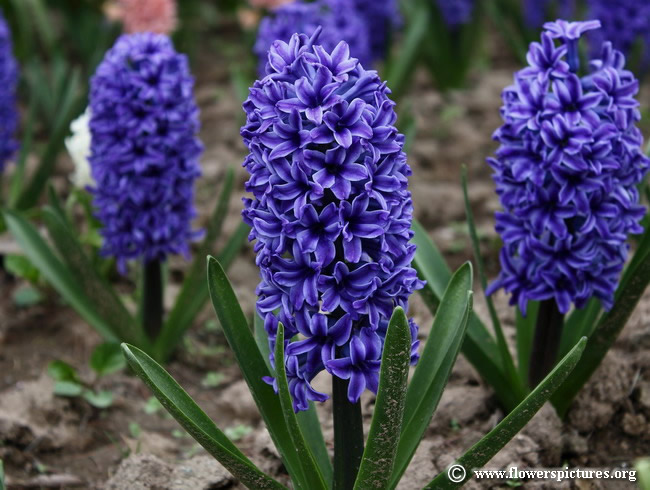
Well I am going to go ahead and ID this flower as a Hyacinth. You should be able to transplant these guys to another bed this fall so that you can appreciate them better. They are a bulb plant, someone must have planted them long ago?

hyacinth

(source)

Amending my answer although pnuts was the first to say it; Water Hyacinth, couldn't find that tight pre flower flower but the leaves and marsh and what not, this must be correct or at least closer.

water hyacinth

(source)

Still not totally convinced. This would be a water plant adapting to the meadow. That would mean no floating bulb. This just might be a new species or variety?

Glorfindel
  • 277
  • 1
  • 4
  • 11
stormy
  • 40,664
  • 4
  • 33
  • 76