5

I've been gradually building a house on a site that has been fairly well dominated by wild, unchecked growth of various greenery over the past 15 years. Time has come to turn my attention to the garden / landscaping

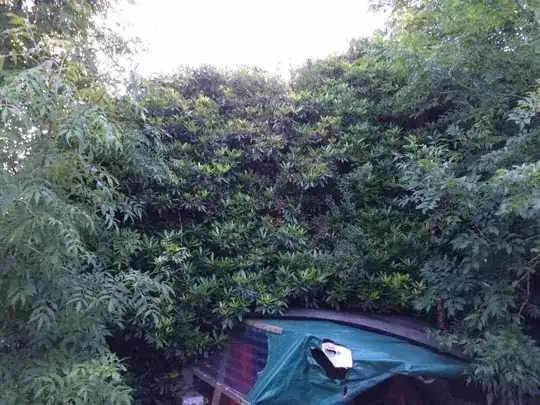
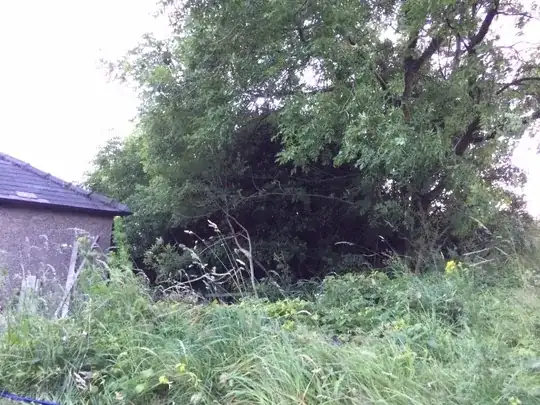
Part of the garden is planned to have a vehicle turning circle right where an enormous rhododendron is well established; it's on an embankment that is approx 3m high and the bush itself is another 3m high, with a footprint of probably 5x7m and stems as thick as my arm.

I don't want to just rip into it for two reasons; one that I'm acutely aware it's bird nesting season and I genuinely don't know if birds nest in rhododendron (but I'm not averse to bullying my way in there to have a look). Q1: is it likely to be home to one or more families of birds?

Reason two; I actually really like the plant despite them seeming to have a poor reputation in the U.K as being somewhat invasive and antisocial - people seem to regard them as a similar nuisance to sycamore and leylandii; perfect plants to establish on an order if you want to upset the neighbours. Fortunately I have no neighbours who would care so I'd like to repurpose this one as hedging. Clearly it can grow well on the site soil and seems to have thrived on what is a windy, exposed site (though it is in the building shadow a bit).

Q2: What would I need to do to cultivate it for hedging? Are the existing stems suitable or should I employ some propagation technique to establish a number of smaller plants? I've got a requirement for a lot of hedging; the landscape plan calls for about 200m. Am I embarking on a task whose cost and efforts vastly outweighs the success, beauty and ease of maintenance of the end result, and it would be simpler and easier to order 400 beech hedge whips in a pallet and plant them out? How about the chances of moving the full stems of the plant and re planting them in a large rectangle to make a secluded inner garden; will bare stems establish new green growth down the sides to become a private screen over time?enter image description hereenter image description hereenter image description hereenter image description here
Caius Jard
  • 335
  • 2
  • 8

1 Answers1

2

I suggest you get rid of the Rhododendron altogether, although it will be no easy task. One way of 'repurposing' it is to heat your home with it; if you have a wood burning stove indoors, dry rhododendron wood is very good in those, despite people's belief it produces toxic smoke based on the fact its a toxic plant (which it doesn't). Not only is R. ponticum the host plant for two forms of phytophthera, but they're also known for discouraging other plants nearby, both through allelopathy and simply outcompeting everything else. Now classed as an invasive species in the UK, all the time yours is present, it will be distributing seeds far and wide on the wind into the countryside. More info on this plant here in regard to its nuisance value http://www.countrysideinfo.co.uk/rhododen.htm

In terms of birds nesting, you'll probably find many have avoided it, but the usual advice is to wait till August or late September, when there's no risk of any birds still nesting within.

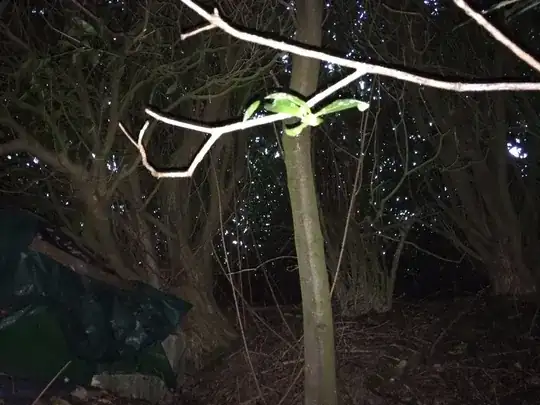
Regarding your ash tree, unfortunately, Ash Dieback disease is becoming prevalent in Lancashire, first found there in 2012; if you need to remove it for practical reasons, don't cry too many tears over it, because if it hasn't succumbed yet, it may well do so soon. Ash wood is also good in wood burning stoves indoors. If you want to keep it, inspect it thoroughly every 6-12 months to see if its showing signs, and then monitor its progress for safety reasons thereafter. It's okay to leave it in place even if it is infected, but regular inspections are necessary so that it doesn't suddenly fall and cause damage to people or property. The Forestry Commission would like to know if you observe the infection on the tree, see here https://www.forestry.gov.uk/forestry/beeh-9rela8

If you want to create a private garden with hedging, Yew (Taxus baccata) or Thuja plicata are evergreen and coniferous, and would do the job for taller hedges, or Hornbeam (Carpinus betulus), somewhat similar to Beech hedging, but more resilient in cold temperatures when growth begins in spring. Yew makes a great formal hedge, but it is highly toxic if ingested, so if any of your children are in the habit of snacking on plant leaves, probably best not used. Rhododendron, though, is also highly toxic if consumed...

Bamboo
  • 135,647
  • 3
  • 80
  • 169