7

I bought an Oregon Champion gooseberry bush last year. I was weeding near it just now and found several volunteer gooseberry plants in a clump a few feet from the parent bush, like they grew from a berry that was dropped by a bird. To the best of my knowledge none of my neighbors grow gooseberries, so the seeds would probably have been self-pollinated (if they even do self-pollinate).
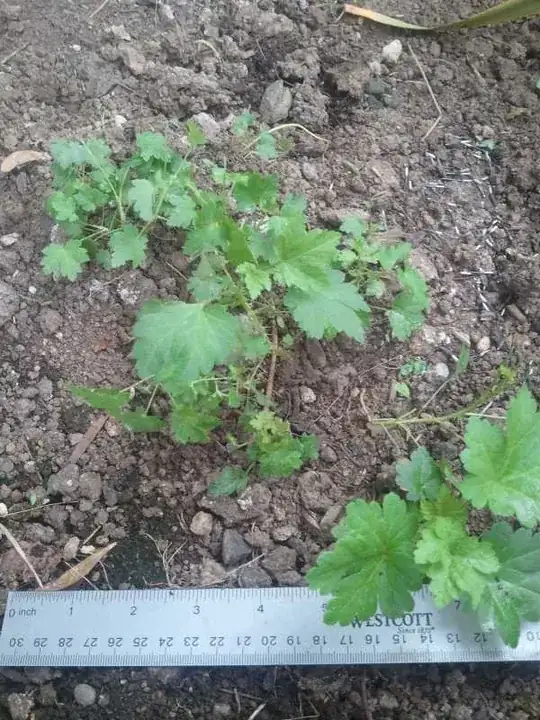
Fifteen or so baby gooseberry plants in an area about 6" square

I don't know if gooseberries are typically grown from seed, or cuttings grafted onto a different root-stock, or if the baby plants would breed true to their parent's type. Should I keep and cultivate these new plants?

Niall C.
  • 7,289
  • 11
  • 53
  • 81

2 Answers2

6

It depends what comes out as fruit and also the cross. If you get an heirloom variety it will come out the same. If it is a F1 cross you have a chance of getting some recessive traits or some good traits from the parent. Growing from seeds and selecting out healthy plants is good for improving the plant variety for your conditions.

user3084006
  • 451
  • 3
  • 10
3

Gooseberries are always grown from cuttings commercially because this is very dependable, and the plants stay true to type. Since you aren't purposefully hybridizing for certain traits, the seedlings are likely to have a smaller fruit, and to produce in smaller quantities, but the actual fruit quality should be fairly good.

In Europe, wild plants still grow from seed, and people gather their fruit regularly. There are also a few areas in the U.S. Where European gooseberries have naturalized.

If you don't mind less efficiency in fruiting, and possibly more thorns, it is worth a go. They should fruit at three to five years of age, and you can decide then whether or not they are keepers.

J. Musser
  • 52,241
  • 23
  • 122
  • 333