The upper radiator neck broke in half on our 2002 Honda CR-V (2.4 VTEC), which lead to some overheating. It was hot for about half a mile based on her story..
So this weekend I replaced the radiator and did a few other things while I had extra room to operate. Once I was all finished, I took it for a test drive, and shortly after I got on the interstate, I experienced poor performance and the car threw a P1259 error code.
Apparently this error code is often related to low and/or dirty oil. But our oil level is good and relatively clean (only a few hundred miles since the last oil/filter change). Car's total mileage is appx 170k.
Here's a complete list of work I performed in case something related jumps out for someone:
- with radiator removed, back-sprayed the AC condenser coil to get bugs and dirt (and soap build up apparently?) out of it
- replaced thermostat/housing
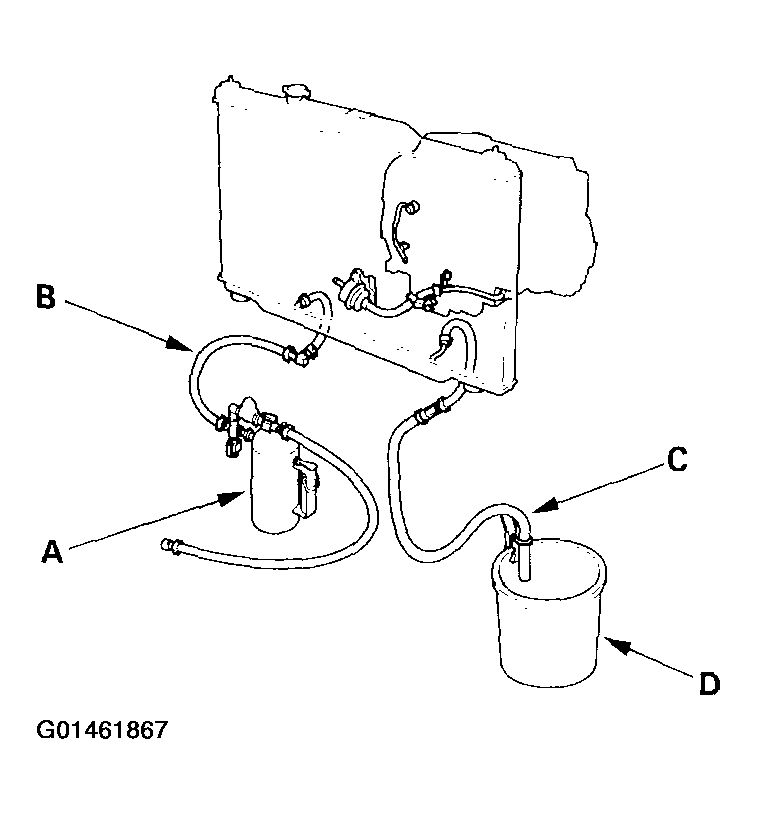
- replaced the trans cooler lines and an in-line transmission filter
- replaced tensioner/idler pulley
- replaced serpentine belt
- replaced radiator
- replaced both battery terminals (they snapped off when I was reconnecting the battery..)
- refilled the coolant (obviously)
- added some trans fluid to replace what was lost to the old radiator core
- washed the engine with my garden sprayer on the "shower" setting
It drove great, initially, AC was killing it, and I was feeling good about my work. Then shortly after I pulled on to the interstate, it was like it didn't want to shift into overdrive, or maybe as if it was shifting in, then rapidly out of overdrive. Very herky-jerky.
An advance auto tech pulled the error code for me (P1259). An I was expecting it to point to a transmission issue, and I was hoping I had not refilled trans oil enough...after all I had to use it first to even check it. So I was surprised to learn it was related to the oil delivery system.
Doing some reading, I've found several people have replaced this VTEC solenoid valve assembly as a result of this error code, only to have the code return a week or so later. (Although it seems to have worked for this person.)
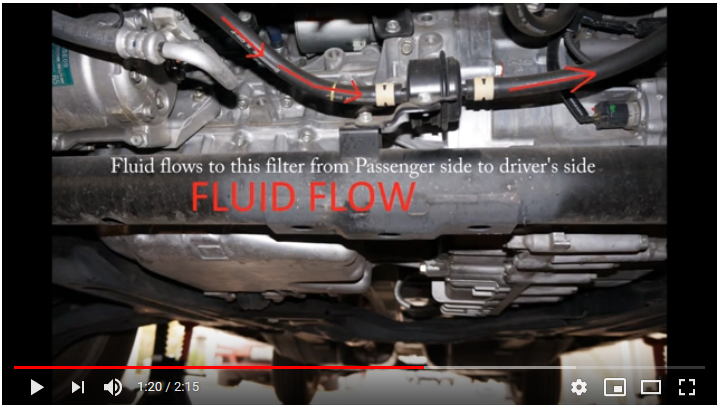
First, if I had installed that new in-line transmission filter backward (the old one didn't have a flow indicator), might that have created a false signal that could lead to this code? I have tried Googling that, but it seems these in-line trans filters were not factory, but a recall-based modification. There's actually nothing about the filter in the shop manual. I'm considering removing the filter for a week or so to see if the problem goes away
Next....was washing the engine a mistake? I've never suffered a consequence from doing that before, but apparently electrical shorts can lead to this error code.
Finally....how "tough" is this engine with respect to overheating scenarios? I'm wondering if the engine got hot enough that something is starting to break down and may be clogging the oil delivery system.
I apologize for the nebulous question, it just strikes me as VERY ODD that I would do so much work on a car, only to then get a trouble code related to a system I didn't manipulate. Thanks in advance for any help.
[Edit 4.9.2019, per comments]
@Paulster2 and @Allen--It's not actually a coolant/overheating issue at this point, but an engine performance issue, more specifically a VTEC oil delivery issue. It initially overheated because the upper radiator fitting broke and sprayed coolant all over the engine, which was why I started working on it. But after I got it back together, I suddenly had the performance/VTEC issue. FWIW, my technique for refilling the coolant was to drive it up onto ramps to get the filler neck well above the block, gradually add 50/50 blue, and occasionally rev the engine to about 2500 RPMs for a minute or so, until it would no longer accept anymore coolant.
@Ben--So I ended up changing that VTC solenoid assembly today. Once it was removed, I thought I could perceive some evidence of moisture in the oil pressure sensor's electrical connection. I found a site that mentioned electrical shorts and even "moisture" can result in this issue. Rather than clean the screen, attempt to dry the part using a hair dryer, then do another test drive and risk ultimately missing more work (or more importantly, hockey tomorrow night), I opted to replace the whole assembly. And the symptoms seem to have disappeared, so far. ::knocks on wood:: Also, while I'm not sure what would qualify as a dirty or clogged screen on that part's gasket, mine looked pretty clean compared to some videos I saw on YouTube. So if you want to post your comment as an answer, I'll accept it.
[Edit 4.10.2019]
With respect to the inline transmission filter, I found a thread on crvownersclub that includes a comment linking out to a good video that illustrates the flow direction for a 2010 CRV. While this video demonstrates transmission maintenance on a 3rd generation CRV, and ours is a 2nd generation CRV, that inline filter looks the same, and the flow direction graphics presented in the video correspond to everything else I've found so far. So I'm going to take this as confirmation that I got the flow direction correct in my filter replacement. (i.e. Hot ATF enters the radiator on the driver side, then cooled ATF exits on the passenger side and flows through the inline ATF filter on its return leg to the transmission.)
[Edit 4.12.2019: Problem has returned] So the car worked well for three days after replacing the VTC solenoid assembly, and today it resumed the performance issue after she was on the interstate for about 30-40 minutes. Since she's out of town and I'm at work, I had her take it directly to the Honda dealership in that city for diagnostics. Still waiting on a call from the service manager though, but I expect it is the same code P1259.