Your question in terms of technicality is very good!
Changing the original structure of a wire always causes some sort of alteration to the outcome. But thanks to laws that are in place- there alterations are well within deviation limits!
So if you squeeze a wire a bit while removing the shield its within electrical safety guides lines of 10% !!(Because if you look at scientific properties of copper and the limit of how much current it can handle and the home builders guide/electrical reference for home building.. there is a considerable tolerance in place to avoid problems!)
IF you literally nearly chop the cable off- then its in your own interest not to use that piece and shorten the wire- because that will definitely cause an issue down the line.
If you are however working with electronics that are sensitive to 0.5% tolerance changes then the slightest notch/cut/scratch on a copper wire will affect target performance.
Somehting that each DIY-er comes across is CAT5/CAT5e/CAT6 and allot just strip the wires, crimp the end and the network is fine and dandy. Then comes along Mr IT and tests the network and wonders why the flippen heck a 100Mbps network only works at 60% capacity?!
Something i have learnt over year of crimping/stripping.
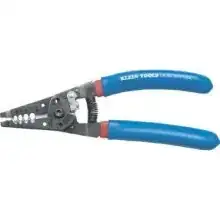
These crimping tools are good as long as you use it for the exact wire it is designed.
If you do not have or want to purchase one, then a simple procedure will keep you safe, even during wiring of 1Gbit CAT6 networks.
1: Cut the end of the wire insulation- don't worry about damging the wire.
2: Pull back the insulation so its reveals some more copper wire. About 3cm.
3: Cur the insulation without touching the wire.
4: Cut the last 2cm of the wire off
5: You have a perfect end!
6: Wire in/Crimp
These steps are overkill in home electrical circuits because when you screw them into plugs/junctions it changes the shape any way. But this is the preferred way to strip wires in the professional electronics world.