5

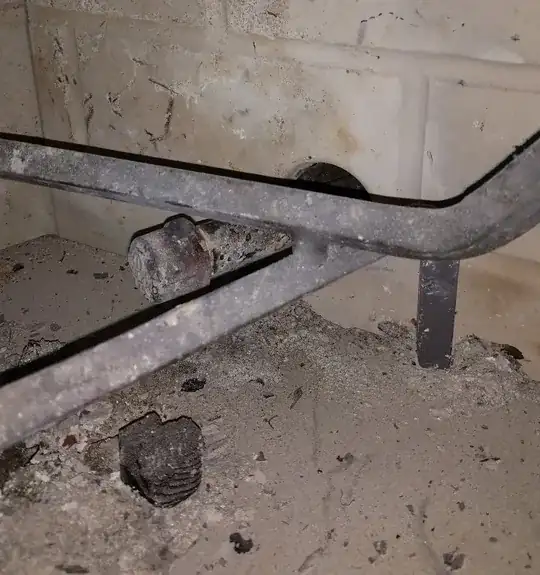
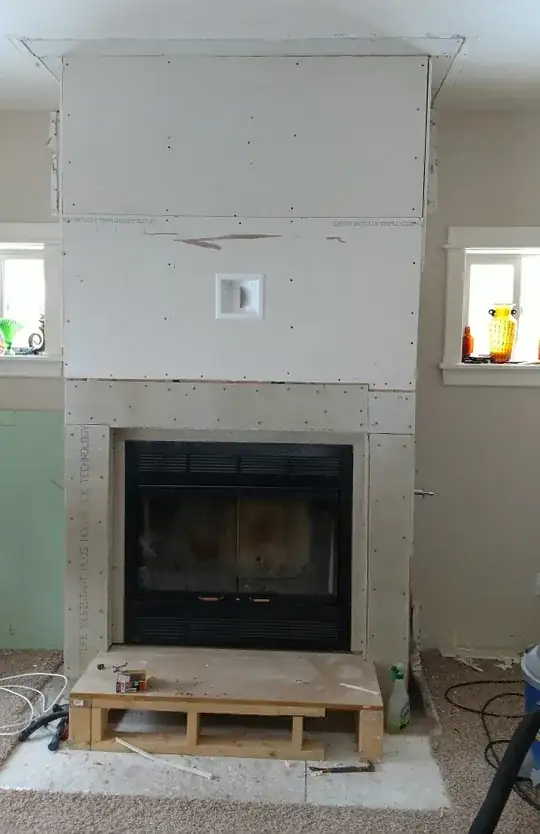
I am renovating my fireplace that was original to the home built in 2007. It was not to our liking, so I am doing a resizing to make it fit better in the room. In doing this I needed to change the length of LP gas line going to the firebox. It is set up for gas, perhaps a log lighter or gas log, but I am using it as a woodburning unit as the prior owners have in years past.

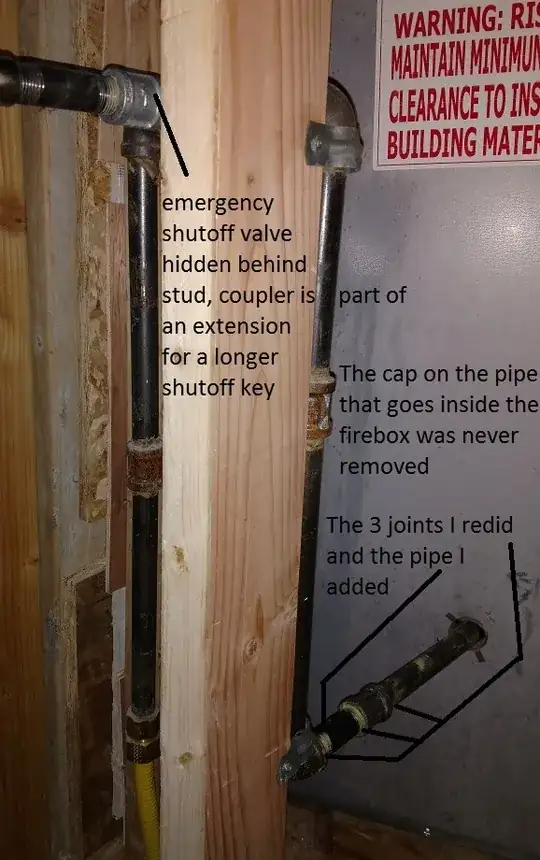
I have already changed the length of the pipe so what extends into the firebox is the same as original. I have tested it for leaks, there are none. To test it, I turned the emergency valve on to pressurize the new length of pipe, and sprayed a soapy water solution on the 3 joints that are new. I did this 3 times over a 3 hour period and will do it again before I put the last sheet of drywall in place to cover it. I will close the valve after I find everything satisfactory.

The question is, since this was done years ago and the firebox did not blow up, will my charging the line the way I have trap gas between the valve and the cap that is in the firebox? I presume that some possibly may have entered the pipe beyond the valve since it had to pressurize the little that it did.

Not knowing the procedure the original installer did, makes me wonder if they did the same as I, but knew that it would do nothing as proved over time, that the amount of expansion from the pipe getting hot would not allow the pipe to bust (blow up). If there are any plumbers or fireplace installers out there that have done the same set up as I have here, and the firebox lived to tell about it, please chime in.enter image description hereenter image description hereenter image description here
SDsolar
  • 2,007
  • 1
  • 16
  • 24
Jack
  • 38,117
  • 2
  • 30
  • 66

2 Answers2

1

Since you don't say exactly where this is, I used your vague profile location ("NW Washington state") and referred to the code for Seattle.

The proper leak test is to pressurize the pipe to at least 15 psi with a pressure gauge monitoring and verify that there is no visible decrease in pressure reading after 15 minutes. See section 406.4 of this.

Note that most appliances cannot withstand that kind of pressure, so the testing procedure specifies that individual appliance shut off valves should be set to block flow or be disconnected and the appliance supply line capped.

Typical natural gas residential pressure is 7 inches of water column, which is about 0.25 psi. So the standard test is a factor of 60 times over the working pressure.

... since this was done years ago and the firebox did not blow up, will my charging the line the way I have trap gas between the valve and the cap that is in the firebox?

I think the answer is yes, but I don't think it is the relevant question. If I understand correctly, you leak tested with gas line pressure only and that is insufficient to reliably detect a leak.

If it were me, I'd be doing a whole gas pipe test by:

  • Cutting off all the appliances (range, furnace, hot tub, dryer, water heater, etc.) with their individual input line valves.
  • Operate the cutoff valve at the output side of the gas meter to isolate the system.
  • Remove a conveniently accessible appliance flex line and attach a pressure gauge assembly.
  • Pressurize the system (a bicycle tire pump is useful) and observe the steadiness of pressure.
  • When I have done this, the test gauge itself was a significant source of leakage. Read about it here.

As for concerns about heating causing a leak, it should be okay if the cap and the pipe are made of the same material so they both expand at the same rate.

It looks like black pipe in your photos. The melting point of "malleable iron pipe" is 2,570 °F. The hottest temperature a wood burning fireplace experiences is from the glowing coals after the wood has been consumed at about 1,200 °F. The pressure rating of the threads at that temperature looks (by extrapolation) to be 10+ psi according to this table.

wallyk
  • 12,399
  • 3
  • 24
  • 51
1

Like the above reply low pressure gas pipe installations are required to be tested and hold 15 psi for fifteen minutes. Appliance connector caps due to being removed for installation of appliance. are typically only tested when the system or extension is installed and often the gas test gauge is used ad the de facto cap. In your case you have several fittings before the fireplace shut off valve that would be needed to be tested.You also have some corrugated gas pipe that looks like it was installed as part of your project. That would also need to be tested. I would put the test gauge on the fitting were the corrugated piping begins or cap that and put the gauge on the fireplace stub out if it is being inspected. There is always one untested fitting on a gas system. I see you used rectorseal which is a great product. An old plumber told me he uses teflon tape and rectorseal on every joint and never had a leak.You could test the whole house but it is a pain disconnecting every appliance and not necessary although I have done it before. Inspectors will usually allow you to test only the segment you are adding.As far as gas being in the short segment it is that way for every home that has a fireplace.

Boo Radley
  • 80
  • 1