I live in a 50's era house that has breakers and a ground wire in every metal box of the house. The problem is they only used 2 prong outlets. They cut the ground wire short and wrapped it around the wire clamp screw inside the box to ground it. It's too short to connect directly to the outlet, or even get a wire nut on. I was told it would be ok to attach a separate piece of ground wire to the box, on the same or another wire clamp screw, and attach that to the ground on the outlet. Is this effective, safe, desirable, etc.?
Asked
Active
Viewed 9,771 times


5 Answers
4
The simple answer is get "self grounding" duplex outlets. The typical design has a little spring plate meant to connect your grounded metal box to the outlet yoke, and thus to the third prong. Just install, test the ground with an inexpensive outlet tester, and feel lucky that the builder left you in such good shape:
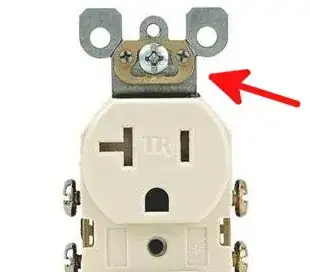
If you are in the United States: surprisingly these are legal even in new construction. Beyond that, they're perfect for your retrofit. See the National Electric Code (NEC) section 250.146(b). Note that your ground wires may 16 guage rather than 14 or 12. That was OK at the time, and you're not required to change it now.

Bryce
- 11,057
- 18
- 77
- 120
3
Another option that I have found that makes things easier when you have a short wire is to use a Wago compact splicing connector.
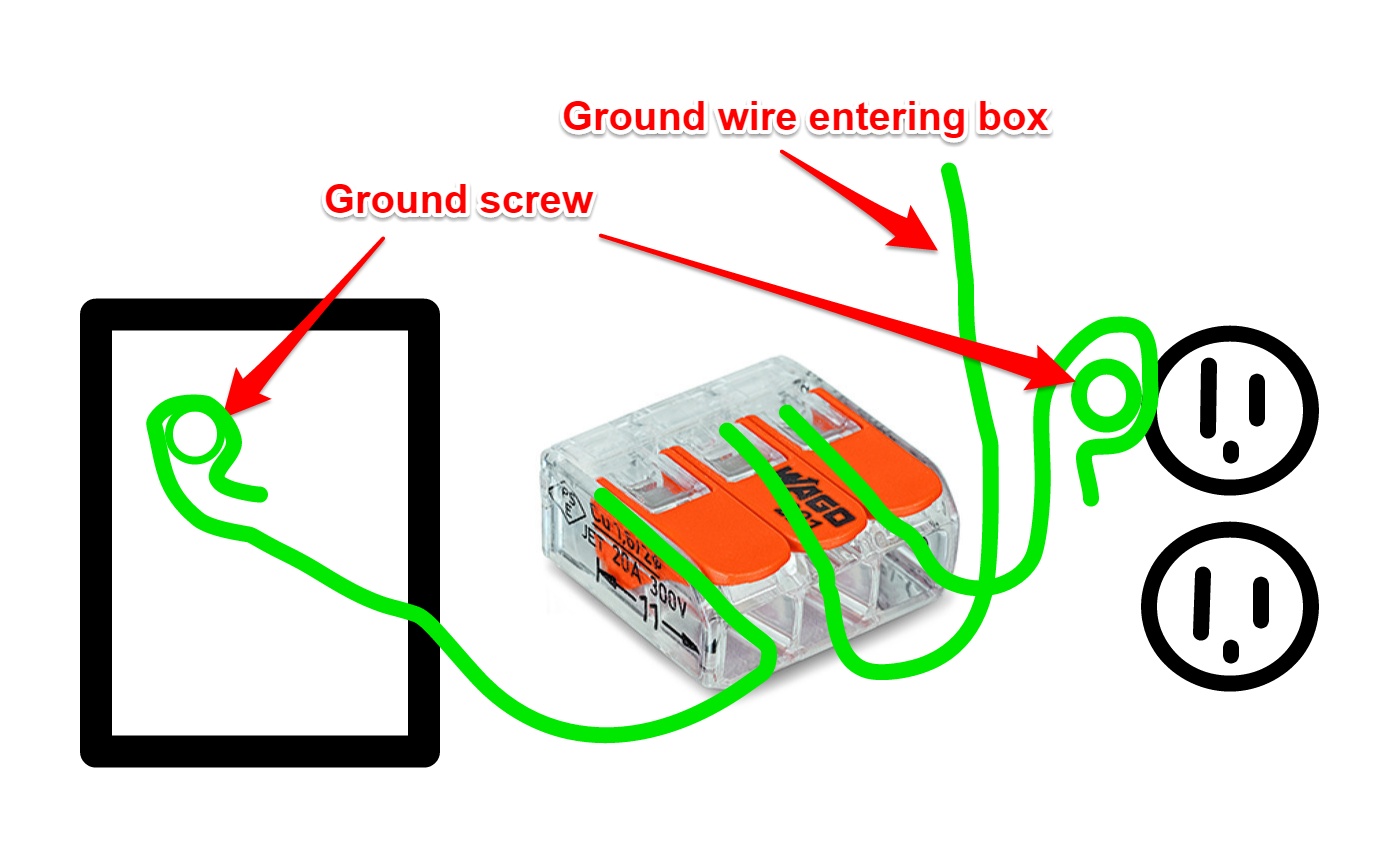
The quick release tabs make it really easy to slide it on and then flip the tab down to lock it in place without having to twist (wire nut) or push (push on connector).
I would avoid putting two grounds under one screw, I am not an expert but I have read things various places that say not to put two conductors on a terminal meant for one and most terminals seem meant for one conductor.

Chris Magnuson
- 153
- 5
2
Connecting a second ground wire from the clamp screw to the outlet should be safe as long as it is done right.
Professionals would have the equipment to test the outlet's ground connection properly.
You'd need to check local code/law to see if it is permissible. This depends on location. In the US you may be able to connect the existing wire to two new short lengths using a wire-nut and then secure the new wires to box and outlet respectively.
See also Can I extend an electrical ground wire with a copper wire crimp?


RedGrittyBrick
- 24,700
- 12
- 50
- 94
0
Be careful with adding your own rod. I had that done at a building I rented, and from all I remember, it's still required to be tied back to the panel/main ground at some point. Not sure what the exact rules are though.
Take Care

Jidis
- 1
-1
You should check on local building codes. But in general the rule is that having only the hot and return is not a significant problem in dry areas. However, in any wet areas such as Kitchen, Bath or outside a ground should be run to those outlets. If the house doesn't have a ground, It is a good idea to drive an 8 foot copper or copper clad rod into the ground to achieve a solid ground. There are some clever ways to drive them using water pressure through a piece of pipe. If you look online you will see how it is done.

NormanW
- 37
- 1