2

Due to some water damage sustained last February caused by an ice dam induced roof leak, I have to remove and replace the 100 year old plaster in my dining room, kitchen, and bathroom. That, combined with having to replace a section of my roof, adds up to an expensive project that my insurance company won't cover.

I am trying to reduce the cost of this forced remodel (we had wanted to remodel the bathroom, but not for another 5 years for financial reasons) by doing the demolition myself.

I have a prybar, sledgehammer, and the usual hand and power tools (drill, circular saw, jig saw, dremel, to name a few that might be needed). I have contractor bags, canvas drop cloths and plastic sheeting, and tape to attach said plastic to the wall to keep the dust (somewhat) contained.

I think I need a reciprocating saw (really! Not just making excuses to buy new tools!) is there anything else I may need? I have a full time job, three little children, and attend night school, so I want this demo to go quickly. And, maybe more importantly, I don't want to ruin anything (by doing it wrong, using the wrong tool) in the process and cost myself the money I'm attempting to save fixing a mistake.

I'd also gladly accept any pointers anyone may have on the demo itself too.

Afterthought: I thought I'd add that I've arranged for a dumpster (local trash pickup forbids construction debris) and I have a wheelbarrow and trash barrels with wheels to use to get it all out there. So, I think I've got disposal covered.

Jax
  • 320
  • 2
  • 4
  • 15

3 Answers3

3

Assuming you plan to live in the house while this is going on, you should seriously look at the plastic "curtain" products which can be used to isolate the construction zone. They can tremendously reduce how much dust gets into the rest of the house.

Speaking of dust, a serious dust mask (one that achieves a good seal against the face rather than the cheap "nuisance dust" paper things) is a good investment, and surprisingly affordable. You only get one pair of lungs; it's worth protecting them.

Given that you've got kids in the house, you may want to think about whether any of the layers you're removing might contain lead. If so, you may want to test first... and if you find lead, you probably want to hire someone who knows how to properly control it and clean up afterward rather than going DIY.

keshlam
  • 33,603
  • 5
  • 56
  • 110
3

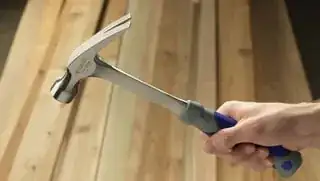
A $20, 20oz, full metal tang, rip hammer. Preferably from a company ending in wing. Make a hole in a wall, flip it over and insert it, pull. No cutting wires or pipes in the walls with a recirc saw. A legitimate respirator helps not only with real plaster dust, but also when the lath comes and tries to hit you in the face. Stick a 2x4 or a length of pipe into a hole in the ceiling, several feet away from you and pry down against the next floor. Don't use a sledge unless your removing the entire wall. I know, fun part, right? Swinging it gets old quick and you might destabilize the wall; get it done. Wielding two of these, you can destroy a room in five minutes.

enter image description here

Requirements: Hardhat, safety glasses, respirator, leather gloves, exterior ventilation fan, plastic tarps separating the living space (held up with extendable ceiling poles), 5 gallon buckets for plaster; contractor bags for lath/drywall, playing Tetris as you fill the dumpster, one hammer.

Mazura
  • 13,598
  • 2
  • 20
  • 58
2

A recip saw is a great tool. I'd also pick up a shop vac if you don't have one.

Demoing plaster walls is a hard and messy job. I'd use the side of the sledge against the wall; that breaks the front of the plaster off of the lath, and you can then remove it and follow by removing the lath.

Eric Gunnerson
  • 2,977
  • 14
  • 10