4

Over time, areas of my garden beds have become shadier due to mature trees. So, not much direct sunlight in some places where I'd like to put some foundation plants/shrubs/bushes, e.g. Azaleas, gardenias, or...? Any thoughts or recommendations or warnings?

Note: I am in North Texas/North Dallas area.

AA040371
  • 440
  • 2
  • 12

2 Answers2

4

Azaleas, ferns and gardenias with a few patches of bamboo for structure would be my top choice...if you prefer herbs or flowers especially then I would recommend spiderwort and columbine. If you desire a flower that is hands off and will return every single year then daffodils are very good for that. llsted below are my full selection of good shrubs or perennials to consider although, you need to take the soil composition into account for your choices too...

Shrubs etc.

Azalea bush: known for extremely vibrant flowers.
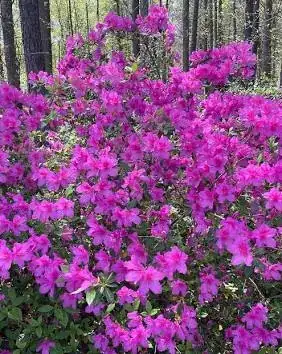
azalea bushes

Gardenias: beautiful flowers that smell like heaven
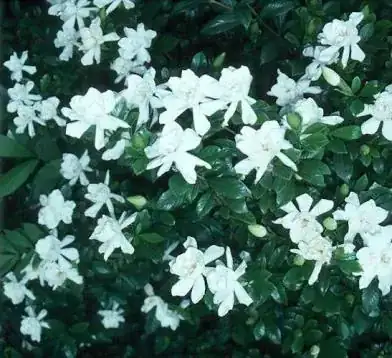
gardenias

Aucuba (Japanese laurel): Known for its tolerance of full shade and dry soils.

Leatherleaf Mahonia: A good option for shady areas.

Arilia (Fatsia Japonica): An evergreen shrub with striking leaves.
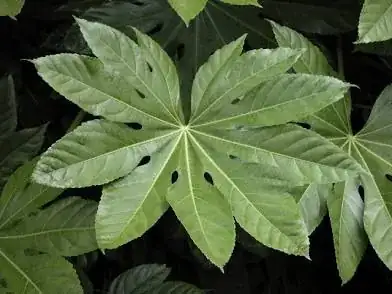
fatsia japonica

Nandina (Heavenly Bamboo): A popular choice for shade.

Hydrangea: Hydrangeas can tolerate shade, but may not flower as profusely.
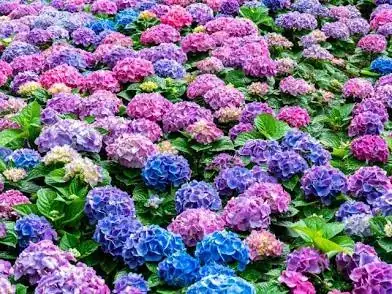
hydrangea

Perennials

Ferns: Many varieties thrive in shade. Boston ferns, sword ferns, and foxtail ferns are some of the best.

Foxtail ferns:
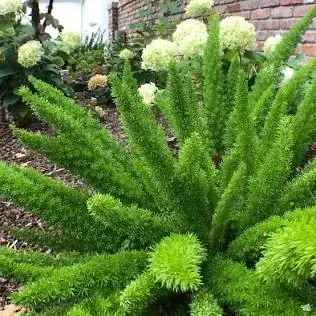
foxtail ferns

Cast Iron Plant (Aspidistra elatior): Very tolerant of low light conditions.

Ajugas: Ground cover option for shade.

Columbines: A popular shade-loving perennial.
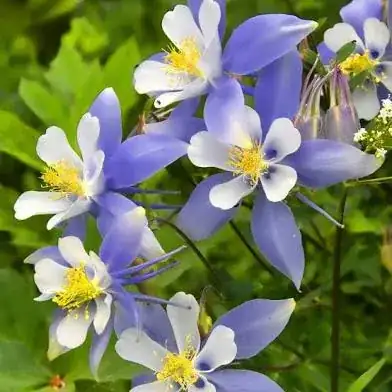
columbine

Astilbes: Known for their feathery plumes.

Dwarf Mexican Petunia: A short, shade-tolerant perennial.

Spiderwort: Another shade-loving perennial.
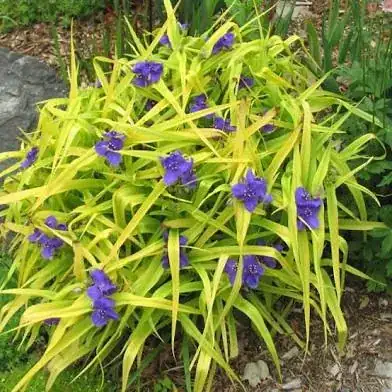
spiderwort

Golden Groundsel: A native perennial for shade.

Daffodils: no maintenance and come in an astounding variety plus deer despise them and do do gofers!
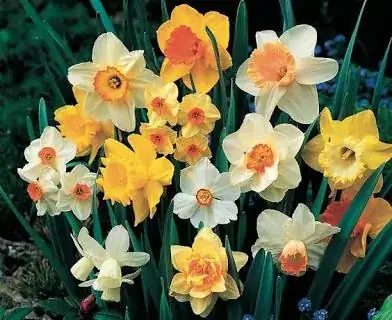
daffodils

M Raven
  • 116
  • 2
3

sounds like you’ve got a lovely, mature garden evolving there!

I’ve had a similar experience in my own garden here in the UK, where what used to be a bright, open space slowly transformed into dappled shade over the years. It’s a bit of a mixed blessing, really - shade can be challenging, but also creates some lovely microclimates once you get your plant choices right.

For shady spots, hydrangeas (especially the Hydrangea macrophylla and Hydrangea serrata types) have been an absolute joy in my garden. They really do tolerate shade quite well, and in my experience, their colours can even come through richer when they’re not blasted by strong midday sun. I know Texas sun is quite something else, but if these shadier beds don’t get any direct sun, hydrangeas could thrive with a bit of compost and regular moisture. Just watch out for the clay - they don't love sitting in waterlogged soil.

Another one to consider is fatsia japonica - it’s a large-leaved evergreen that gives a bit of architectural interest, very low maintenance too. I've also had good luck with pieris japonica, which brings early spring colour and is pretty well-behaved overall. Oh, and if you’re after fragrance, daphne odora is a beauty - bit fussy, but worth it if you get it settled.

One thing to note: shady areas under trees can be dry as well as dark, so mulching and regular watering (especially in your North Dallas heat) can really make or brake things. I learned that the hard way with a few crispy-leaf casualties early on

If hydrangeas do end up on your shortlist, I wrote up some notes based on personal experience growing them in shadier parts of the garden - might be helpful: How to Grow Hydrangeas in Shaded Gardens

All the best with the planting - sounds like a lovely space in the making.

Katalin
  • 309
  • 7