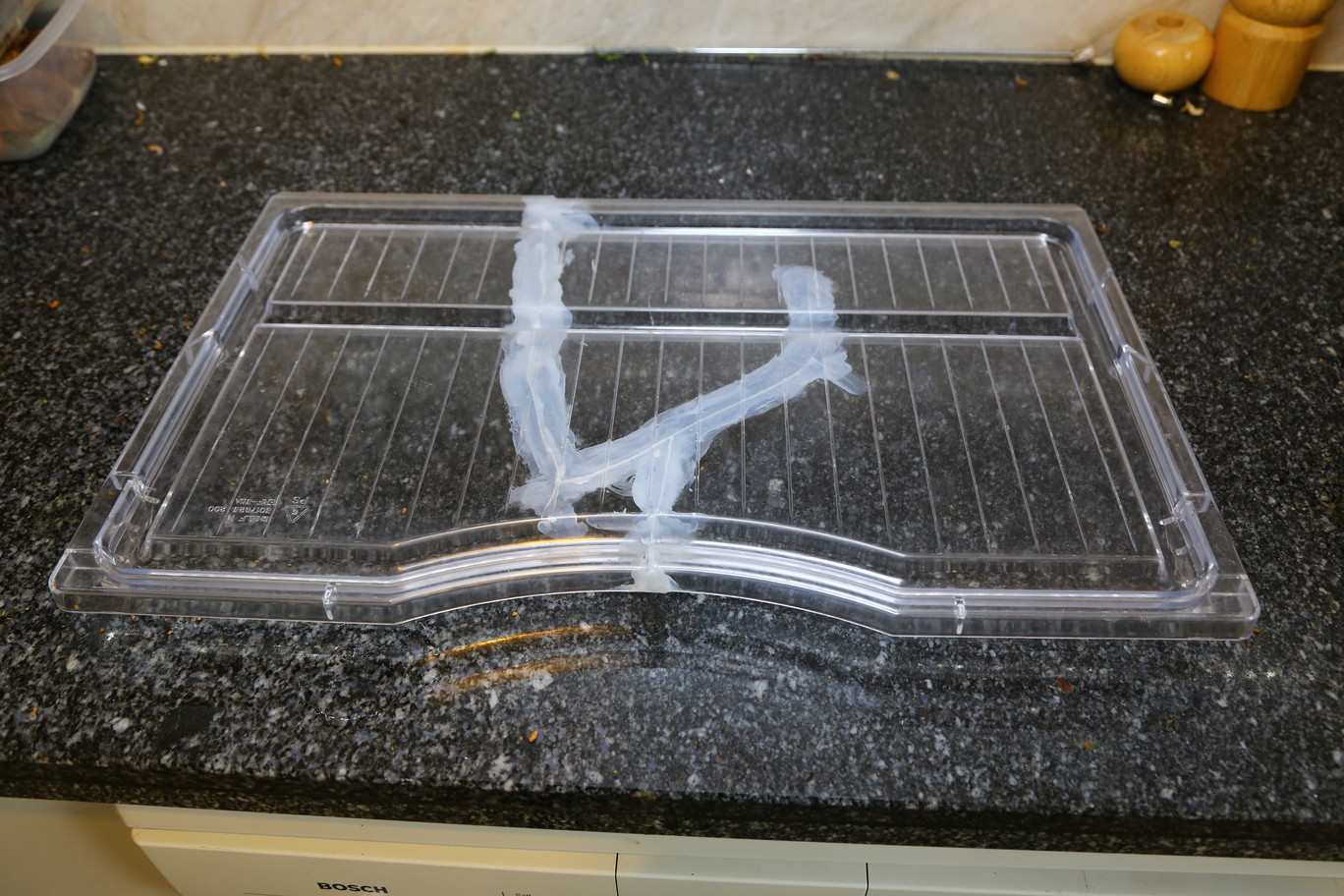
To attempt repair of the complex crack, I have used PVC cement (intended for repairing plastic pipework, I think) liberally on the facing edges and in layers over the joint. This has provided sufficient strength for the shelf to support its own weight if held from either side.
That's not going to work because that's not how PVC "gluing" works. It's not gluing at all. It's welding. It's not glue, it's solvent, it softens and melts the solid PVC into liquid PVC. The difference is, when the solvent evaporates, the two pieces of PVC are now one piece of PVC. That is because PVC is thermoplastic and capable of melting and re-hardening.
But if you try to use PVC solvent on anything else, you might melt it, or it might just react with it, or it might just do nothing.
To make a repair like this, I would do 2 things.
1. Glue it with something that'll work.
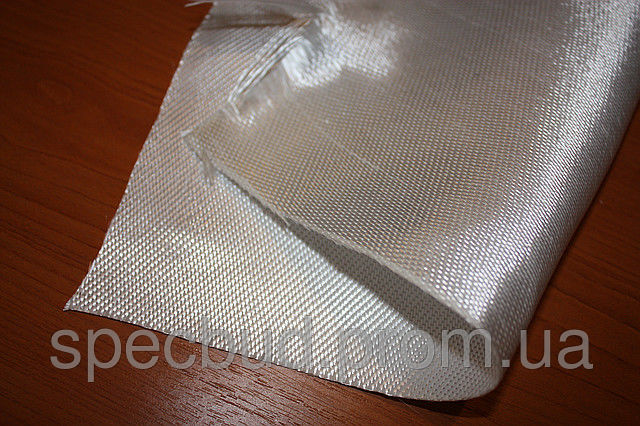
For that my go-to is FRP, or Fiber Reinforced Plastic. It's what they make boats and surfboards out of. Use "Fiberglass matt" combined with an epoxy you find easy to work with (here's the trick: Slower is better! 24 hour epoxy is not too slow. You don't want 30 minute stuff and then it's kicking while you're trying to work it. You only get one shot.)
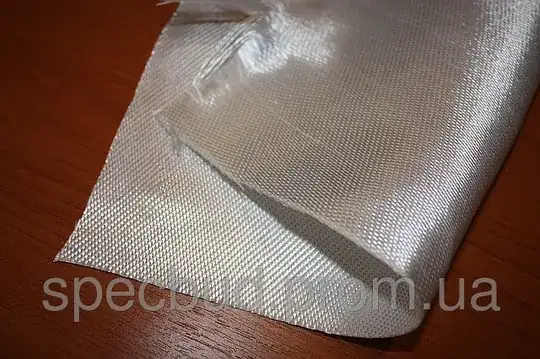
Lay the fiber so it goes 1-2" across the break.
Plenty of websites and videos go into length on epoxy lay-up, so I won't repeat all that. Except to add two things.
Heavily and obsessively "scuff-sand" the plastic surface so it is microscopically rough - the epoxy will need that to bind to, if you leave it smooth the fiberglass will just pop off, like a surfboard coming out of a mold.
Lay plastic sheet across the fiberglass before it dries, and smooth it down with your fingers. That will give you a nice smooth surface instead of the jaggy hand-scratcher you'll get if you don't. I use regular old plastic grocery bags, but really something the thickness of Ziploc freezer bags would be better. If the bag has printing on it, that will end up in the epoxy!
2. Physically reinforce it. Because it broke for a reason.
Flat plastic is not strong. All the strength in that tray came from the vertical ripples or grooves in it, particularly the tall ones going left to right. The top is in compression and the bottom in tension - look up how girders or trusses work, same deal. So those grooves are the key to the piece's strength.
And if you do your research on fiberglass boat building, you'll see such bending strength is added with "cores" - strips of wood or styrofoam that are wrapped in fiberglass-epoxy. The point is to make a fiberglass "pipe" - the strength is in the fiberglass, the core itself doesn't matter. That's why styrofoam is good enough.
I seem to recall they make foam tubes for sealing driveway cracks that are very inexpensive. Wrapping that with fiberglass and gluing it into the grooves would do wonders.